Which Scrap Metals Actually Pay — And Which Ones Waste Your Time
Not all scrap is created equal. You can haul a full truck of mixed debris and walk away with less than a single box of the right material. Knowing which metals command real money — and which ones barely cover your fuel — is the difference between a profitable operation and a frustrating one. This week's market recap breaks down the most profitable types of scrap metal to collect in 2026, with context for sellers across British Columbia and beyond.
Whether you're a yard operator sorting loads, a contractor stripping a job site, or an independent collector running routes in Richmond, the fundamentals don't change: the right metal, documented properly, sold through the right channel, is where the money lives. A find the best Canadian scrap metal prices today resource matters more than ever in a volatile market.
---Copper: Still the King of Non-Ferrous Scrap Profitability
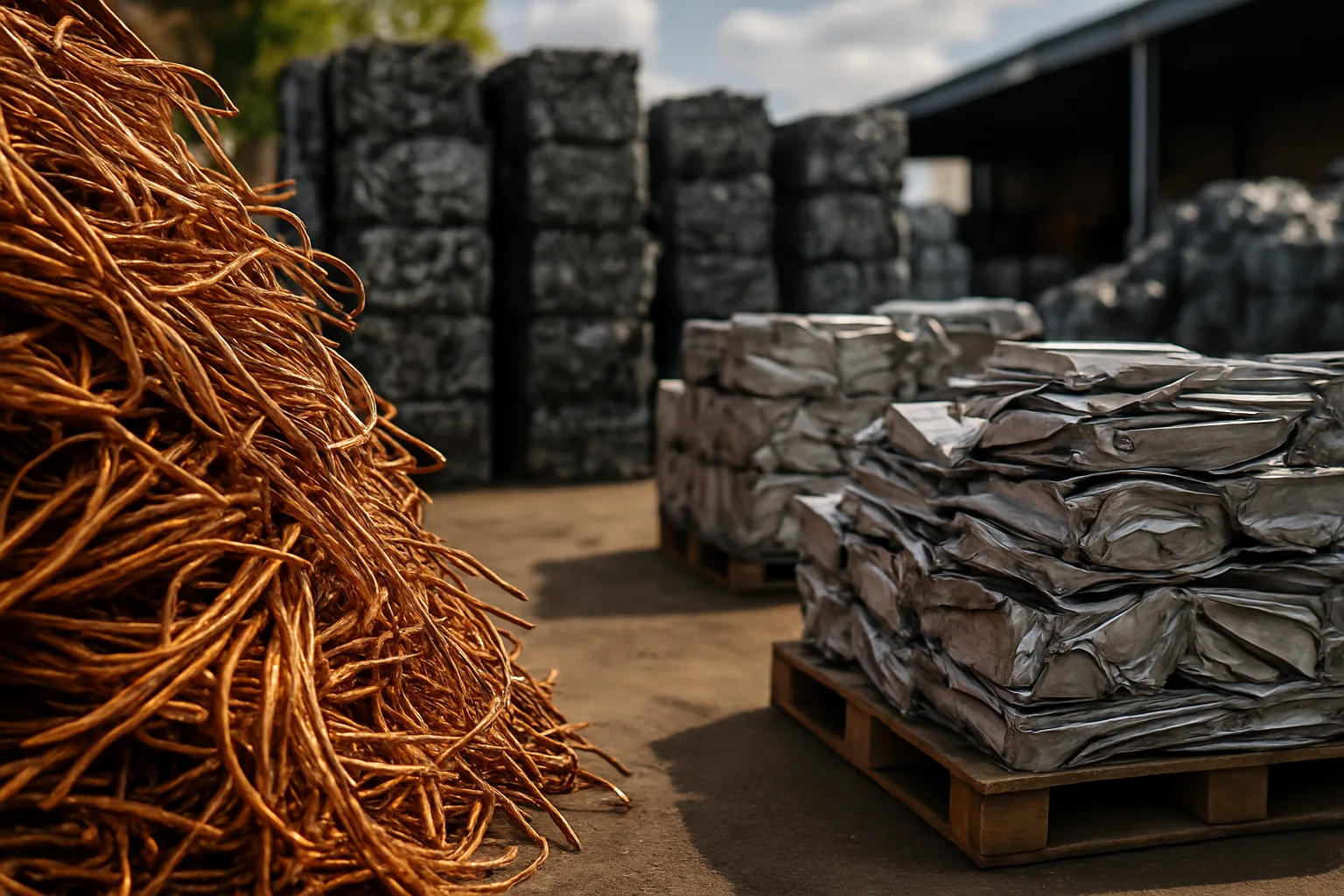
Copper sits at the top of the value chain. Full stop. Bare bright copper wire, clean copper pipe, and #1 copper consistently return the highest price per pound of any common scrap metal. In mid-2026, global copper demand tied to electrical infrastructure, EV production, and grid expansion is keeping prices elevated. That demand isn't slowing down.
The grade matters enormously with copper. Understanding how to sell scrap copper correctly means knowing the difference between bare bright, #1, #2, and insulated wire — because a yard will pay drastically different rates for each. Stripping wire before you sell it usually adds significant value, but the labour has to make sense for your volume. A box of stripped bare bright is worth far more than the same box unsorted.
- Bare bright copper: Highest grade — clean, uncoated, unalloyed wire or bus bar
- #1 copper: Clean pipe and solid copper with no fittings or solder
- #2 copper: Mixed or slightly dirty copper — still strong value
- Insulated wire: Value depends on copper percentage and insulation type
- Copper breakage / mixed alloys: Lower value, but still worth separating from steel
Richmond and the broader Metro Vancouver area see consistent copper flow from construction, demolition, and marine industries. If you're selling copper in volume, get competitive bids for your scrap in Canada through a platform that puts multiple vetted buyers in competition — not just whichever yard answers the phone first.
---Aluminum: High Volume, High Frequency, Solid Returns
Aluminum doesn't hit the per-pound highs that copper does, but it makes up for it in volume and availability. It's everywhere — extrusions, sheet, cast, breakage, wire, and rims. And because aluminum is lightweight and easy to move, collection costs stay manageable relative to the return.
In British Columbia, aluminum scrap flows steadily from aerospace supply chains, marine fabrication, commercial construction, and automotive dismantling. Cast aluminum from engine components, transmission cases, and wheels grades out differently than extrusion or sheet — and buyers notice. Mixing grades is a fast way to get docked. Sort it before you sell it.
Key aluminum grades to know in 2026:
- Aluminum extrusion (6061, 6063): Clean framing and structural profiles — solid middle-tier pricing
- Cast aluminum: Engine blocks, housings, wheels — good volume play
- Sheet aluminum: Clean sheet commands better rates than mixed or painted
- Aluminum wire: Consistent demand, especially in utility and electrical applications
- MLC / mixed low-copper aluminum: Lower grade but still marketable in volume
Sellers who document aluminum loads properly — photos, weights by grade, packing lists — give buyers the confidence to bid aggressively. That's exactly how a scrap metal auction platform like SMASH creates better price discovery. More information means more competitive bids. Read Canadian scrap metal pricing guides to stay current on aluminum grade differentials.
---Catalytic Converters and Specialty Metals: The High-Risk, High-Reward Category
Catalytic converters — cats — remain one of the most profitable items in the scrap ecosystem on a per-unit basis. The platinum group metals (PGMs) inside — platinum, palladium, and rhodium — drive the value. A single OEM cat can be worth several hundred dollars. High-grade units from SUVs and trucks can go higher.
But cats require discipline. Serial tracking, VIN lookup, photo documentation, and proper records aren't optional anymore — they're required in most jurisdictions, and enforcement is active in British Columbia. A B2B scrap metal marketplace that supports serial tracking and documentation protects both the buyer and the seller. SMASH's inventory tools are built for exactly this. You don't want a cat deal that creates a compliance headache down the road.
Other specialty metals worth targeting:
- Stainless steel (300 and 400 series): Significantly higher value than carbon steel — always test and separate
- Brass: Plumbing fittings, valves, musical instruments — solid non-ferrous value
- Bronze: Bushings, bearings, marine hardware — less common but high return
- Carbide / tungsten: Cutting tools and inserts — very high value per pound, specialty buyers only
- Lead: Batteries, wheel weights — lower profile but consistent demand
Steel and Ferrous: The Volume Game That Still Pays
Ferrous scrap — steel, iron, and their alloys — is the backbone of the recycling industry. The per-pound rate is a fraction of copper or aluminum, but tonnage changes the math fast. A yard moving hundreds of tonnes of HMS (heavy melting steel), shredder feed, or plate and structural can generate real revenue even at modest per-tonne rates.
In 2026, steel prices remain sensitive to mill demand, export pricing from Asia, and infrastructure spending cycles. North American mill utilization rates influence domestic scrap absorption, and sellers who watch those signals can time their loads more strategically. Selling into a down market without shopping your price is leaving money on the table.
Key ferrous categories to separate and grade properly:
- HMS 1 and 2 (Heavy Melting Steel): Clean structural, plate — widely traded
- Shredder feed: Auto bodies, light gauge mixed steel
- Busheling: Clean factory punching and sheet steel — better rate than HMS
- Cast iron: Radiators, pipes, engine blocks — steady demand from foundries
- Stainless steel (separate from carbon steel always): Significant premium over carbon grades
For ferrous loads sold in volume, competition between buyers matters. A single phone call to one buyer isn't price discovery — it's accepting whatever you're offered. A scrap metal auction platform changes that dynamic. If you check current Canadian scrap metal prices before you sell, you know whether the offer on the table is fair or low.
---How to Maximize What You Get — Sorting, Documentation, and Channel Selection
The most profitable scrap collectors in Richmond and across Canada aren't just finding the right metals — they're selling them the right way. Sorting by grade before sale, documenting weights and photos, and choosing the right sales channel all move the final number.
Here's what high-performing sellers do consistently:
- Sort aggressively. Mixed loads get priced at the lowest grade in the mix. Separation pays.
- Document everything. Photos, packing lists, BOLs, and serial numbers give buyers confidence — and confident buyers bid higher.
- Don't sell on the first offer. Especially for non-ferrous and specialty metals, competition reveals the real market price.
- Know your grades. Calling #2 copper "clean copper" or mixed aluminum "extrusion" loses you credibility with serious buyers fast.
- Use platforms built for B2B volume. SMASH's auction format connects vetted industrial buyers with sellers across Canada — no subscription fees, and the platform only works when you do.
If you're selling scrap in Richmond or anywhere across British Columbia, Richmond scrap metal services can help you connect with local buyers and market options. Combine that local knowledge with a platform like SMASH, and you have both regional reach and national competition working for you.
The old way — one call, one buyer, one price — leaves money behind. Competition reveals the market. That's not a slogan. That's how pricing works. If you want to understand scrap metal prices across Canada or find out what your loads are actually worth, start with better information and a better channel.
Whether you're moving cats, copper wire, aluminum extrusion, or tonnes of HMS, the process is the same: know your grades, document your load, and put real buyers in competition for it. That's how you stop guessing and start knowing what your scrap is worth. Get the best Canadian scrap metal prices — check rates at best-scrap-metal-prices.ca and see what your materials are worth in today's market.
Disclaimer: Scrap metal prices fluctuate based on market conditions, grade, and regional demand. Always confirm current rates before selling.
---Frequently Asked Questions
Q: What is the most profitable scrap metal to collect in Canada in 2026?
Copper consistently returns the highest per-pound value of common scrap metals. Bare bright copper and #1 copper pipe are the top grades. Catalytic converters can return very high value per unit depending on the vehicle and PGM content, but require proper documentation and compliance with local regulations.
Q: How does a B2B scrap metal marketplace work for selling scrap in Richmond?
A B2B scrap metal marketplace like SMASH connects sellers — yards, contractors, and industrial operators — with vetted buyers through a competitive auction format. Sellers list their loads with documentation, buyers bid, and the seller gets transparent price discovery instead of a single take-it-or-leave-it offer. It's built for volume sellers in Richmond and across Canada.
Q: How do I know if I'm getting a fair price when I sell scrap copper?
Check live market benchmarks before you sell. Copper trades on global commodity markets, and Canadian yard prices generally track those with regional adjustments. Using a platform that creates buyer competition — rather than accepting one offer — gives you a real-time sense of what the market will actually pay for your grade and quantity.
Q: Is it worth sorting scrap metal before selling, or can I just sell it mixed?
Sorting almost always pays. Mixed loads get priced at the lowest grade present — which means you're getting dragged down by the cheapest material in the box. Separating copper from aluminum, stainless from carbon steel, and grading within each category typically returns more even after the sorting time is factored in.
Q: Are there scrap metal auction platforms that serve both Richmond and other Canadian cities like Hamilton?
Yes. SMASH operates as a national B2B scrap metal marketplace serving sellers and buyers across Canada — including Metro Vancouver, Hamilton, and other industrial centres. There are no geographic restrictions on listings, and the vetted buyer network spans multiple regions, which means your load competes for national attention, not just local buyers.
---Follow SMASH on LinkedIn for weekly scrap metal market updates, pricing insights, and industry news: linkedin.com/company/scrap-metal-auction-sales-hub