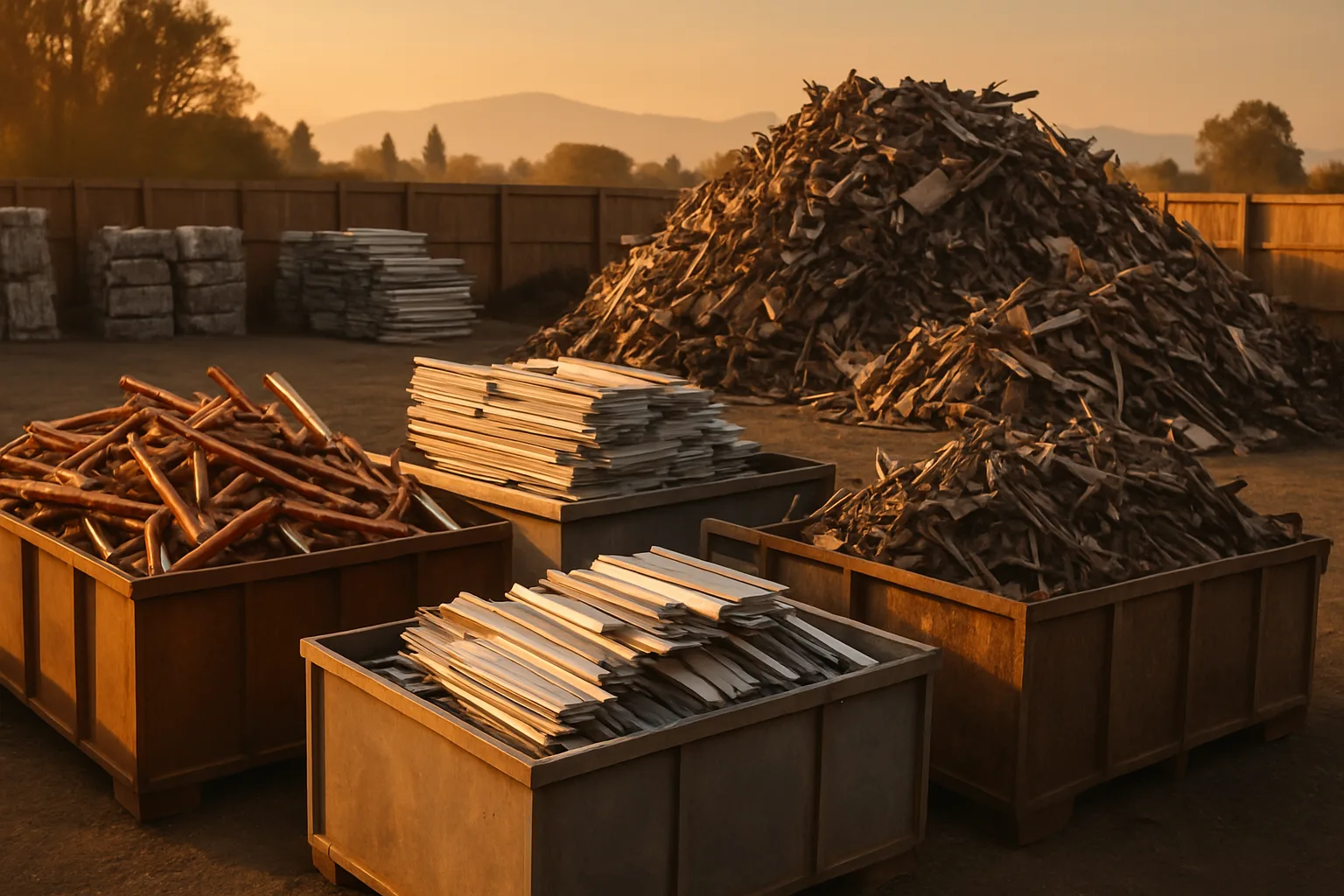
Why Construction and Demolition Sites Are Some of the Best Sources of Scrap Metal in Canada
Most sellers who walk into a scrap yard are hauling a trunk full of old appliances or a handful of copper pipe. But the operators sitting on real volume? They're working demolition sites. A single commercial teardown in a city like Chilliwack can yield tens of thousands of pounds of recyclable metal — structural steel, copper wiring, aluminum framing, cast iron plumbing, and more. If you're not capturing that value, someone else is.
Construction and demolition (C&D) recycling is one of the most underutilized revenue streams in the scrap industry. This isn't about scrapping a few leftovers. It's about systematically identifying, sorting, and selling metal that comes off every job site — and knowing what it's worth before you load the truck. Whether you're a contractor, demo crew, or a recycler in British Columbia looking to source volume, understanding this material stream matters.
To find the best Canadian scrap metal prices today, you need to know what you're selling. Let's break down how C&D sites generate scrap, what metals come off them, and how to maximize your return.
What Metals Come Off a Typical Construction or Demolition Job Site?
The metal mix on a C&D site depends heavily on the structure's age, type, and use. A pre-1990s commercial building in the Fraser Valley will look very different from a new residential subdivision in the suburbs. But across the board, here's what you can expect to find:
- Structural steel: Beams, columns, rebar, and decking. Heavy tonnage. Lower price per pound, but volume adds up fast.
- Copper wiring and pipe: Found in walls, ceilings, mechanical rooms, and electrical panels. High value. Older buildings carry more copper than modern builds.
- Aluminum: Window frames, curtain walls, HVAC components, and conduit. Mid-range pricing, good volume in commercial projects.
- Cast iron and steel pipe: Plumbing systems in older structures. Dense, heavy, consistent pricing.
- Stainless steel: Commercial kitchens, lab spaces, food processing facilities — higher value, worth separating from mixed steel.
- Brass: Valves, fittings, and fixtures throughout mechanical systems.
- Sheet metal: HVAC ducting, roofing components, and cladding panels.
The critical step is sorting at the source. Mixed loads always pay less than segregated material. A truckload of clean copper pipe and a truckload of mixed demolition debris are not remotely the same payday. Train your crew to pull metals before the dumpster gets loaded, and you'll see the difference immediately on your settlement sheet.
How Copper Scrap Prices in Chilliwack Are Influenced by What You Bring In
Copper is king on most demolition sites, but copper scrap prices Chilliwack — like everywhere in Canada — fluctuate based on global commodity markets, the Canadian dollar, and local yard conditions. What you actually get paid depends on the grade you're delivering. There's a significant spread between bare bright copper wire, #1 copper, #2 copper, and insulated wire. That spread can be the difference between a good haul and a disappointing one.
Older commercial and industrial buildings in the Chilliwack area and across the Fraser Valley often contain substantial runs of copper that newer builds simply don't have. Rewiring projects, HVAC retrofits, and full teardowns all generate copper that needs to go somewhere. If you're a demo contractor, that copper shouldn't be an afterthought — it's a line item on your project revenue.
Knowing grade before you sell matters. A chunk of #2 copper sold as #2 gets you a fair price. That same material misidentified or mixed with lower-grade scrap costs you real money. Read Canadian scrap metal pricing guides to understand the grading differences before you haul.
Disclaimer: Copper and all scrap metal prices fluctuate daily based on commodity markets. Always verify current rates before selling. Prices referenced here are general guidance only.
Turning a Demolition Site Into a Systematic Scrap Revenue Stream
The difference between a crew that makes money on scrap and one that doesn't is process. It's not luck. It's not market timing. It's having a plan before the wrecking bar comes out.
Here's how organized demolition operations approach scrap recovery:
- Pre-demolition survey: Walk the structure before a single wall comes down. Identify high-value materials — copper runs, aluminum curtain wall systems, stainless installations. Map it. Assign crew responsibility.
- Soft strip first: Pull salvageable materials before mechanical demolition begins. Mechanical demo mixes and damages everything. A soft strip protects value.
- Separate on-site: Use dedicated bins or staging areas for each metal type. Copper, aluminum, steel — keep them apart. Mixed bins mean mixed pricing.
- Document what you have: Photo documentation, weight estimates, and material descriptions matter when you're getting prices from multiple buyers. Buyers who can see what they're bidding on give better numbers than buyers guessing from a vague description.
- Get competitive bids: One phone call to one buyer is the old way. Get multiple eyes on the load. Competition reveals the market — that's not a theory, it's arithmetic.
Platforms like smashrecycling.ca exist precisely for this reason. Instead of calling one buyer and taking whatever they offer, you document your load, list it, and let vetted buyers compete. For large C&D loads — the kind that come off a commercial teardown in Chilliwack or anywhere across British Columbia — the difference between the first offer and the best offer can be significant. More buyers means better price discovery.
What Makes Chilliwack and the Fraser Valley a Strong Market for C&D Scrap
Chilliwack has seen consistent construction activity over the past several years — residential expansion, agricultural infrastructure, light industrial development, and ongoing highway and municipal work throughout the Fraser Valley corridor. That activity generates scrap. Renovation projects on older stock, demolition to make room for new builds, and infrastructure upgrades all produce recyclable metal that flows into the local scrap market.
For sellers in the region, understanding where local yards sit on pricing — and how they compare to regional competitors — is real money. Best scrap metal prices British Columbia isn't just a search term. It's a legitimate question every contractor and recycler in the province should be asking before they haul. Distance to a yard, weighbridge accuracy, and the buyer's appetite for your specific material all affect your net return.
If you're in Chilliwack and working regular demo volume, building a relationship with multiple buyers rather than defaulting to whoever's closest makes financial sense. The scrap market in the Lower Mainland and Fraser Valley is competitive. Use that competition to your advantage.
The Documentation Advantage: Why Organized Sellers Get Better Prices
Here's something most sellers don't think about: buyers price uncertainty into their offers. If they can't see exactly what they're buying, they assume the worst. They pad their margin to cover the risk. That padding comes directly out of your pocket.
When you show up — or list a load — with clear photos, accurate weights, proper material descriptions, and sorted grades, you remove the buyer's uncertainty. A confident buyer is a better-paying buyer. This is true whether you're selling a load of clean aluminum extrusions or a mixed pallet of brass fittings pulled from a mechanical room.
SMASH builds this into its platform by design. Photo documentation, serial tracking for items like catalytic converters, and detailed inventory tools give buyers the confidence to bid aggressively. No subscription fees. The platform only wins when you win — that alignment matters. If you ever need to sell catalytic converters online from a fleet vehicle or equipment teardown, that documentation process applies there too. Cats with verifiable serial numbers and photos command better bids than anonymous units in a bucket.
To check current Canadian scrap metal prices and understand what your sorted material is worth before you sell, make that step part of your pre-haul process. Knowledge before the scale is leverage.
Getting the Best Scrap Metal Prices for Your C&D Load Across Canada
The principles here aren't specific to any one city. Whether you're running demolition in Chilliwack, working a teardown in Barrie, or managing a large industrial deconstruction project anywhere in Canada — the fundamentals are the same. Sort your material. Document it properly. Get competitive bids. Understand what you have before you sell it.
The best scrap metal prices Barrie and the best scrap metal prices in British Columbia both come from the same place: a market where buyers compete. Single-buyer relationships feel convenient until you see what the second or third buyer would have paid. That's not a knock on any particular yard — it's just how commodity markets work. Price discovery requires competition.
SMASH was built for exactly this scenario. Large loads, documented inventory, vetted buyers, and an auction format that creates real competition. For C&D operators hauling consistent volume, the math on getting better price discovery adds up fast. No guessing. No single-call pricing. Just transparent, competitive bids on what you actually have.
If you're serious about maximizing what your job site metal is worth, the next step is straightforward: know your grades, document your loads, and stop leaving money in a single buyer's pocket. Get the best Canadian scrap metal prices — check rates at best-scrap-metal-prices.ca before your next haul, and make sure every load you pull off a demo site is working as hard as you are.
Frequently Asked Questions
Q: What types of scrap metal are most common on demolition sites in Chilliwack?
Structural steel, copper wiring and pipe, aluminum framing and window systems, cast iron plumbing, and sheet metal from HVAC systems are the most common materials. Older buildings in the Chilliwack area and Fraser Valley tend to carry more copper than newer construction, making pre-demolition surveys valuable before any teardown begins.
Q: How do I get the best scrap metal prices for a large demolition load in British Columbia?
Sort your material by type and grade before hauling — mixed loads always pay less than segregated material. Document your load with photos and accurate weight estimates, then get bids from multiple buyers rather than defaulting to one yard. Platforms like SMASH let vetted buyers compete on your load, which helps reveal the actual market price for what you have.
Q: How does copper grading affect what I get paid for scrap copper in Chilliwack?
Copper pricing varies significantly by grade. Bare bright copper, #1 copper, #2 copper, and insulated wire each carry different pricing tiers. Delivering properly graded and sorted copper — rather than mixed or contaminated material — puts you in a much stronger position at the scale. Always verify current copper scrap prices before hauling, as rates change daily based on commodity markets.
Q: Can I sell catalytic converters from demolition equipment or fleet vehicles online?
Yes. Catalytic converters from equipment, fleet vehicles, and machinery can be sold through online platforms. Documentation matters significantly — units with verifiable VINs or serial numbers and clear photos typically attract stronger bids than undocumented material. SMASH includes serial tracking and photo documentation tools specifically for this reason.
Q: How do scrap metal prices in Chilliwack compare to the rest of British Columbia?
Prices vary by yard, location, and current buyer appetite. The Fraser Valley market is competitive, and sellers within reasonable hauling distance of multiple buyers are in a good position to shop their loads. Checking current rates at a resource like best-scrap-metal-prices.ca before hauling helps you understand where the market sits and whether it's worth waiting or moving material now.
Stay current on scrap metal market trends and pricing insights — follow SMASH on LinkedIn at linkedin.com/company/scrap-metal-auction-sales-hub for regular industry updates across Canada.
```