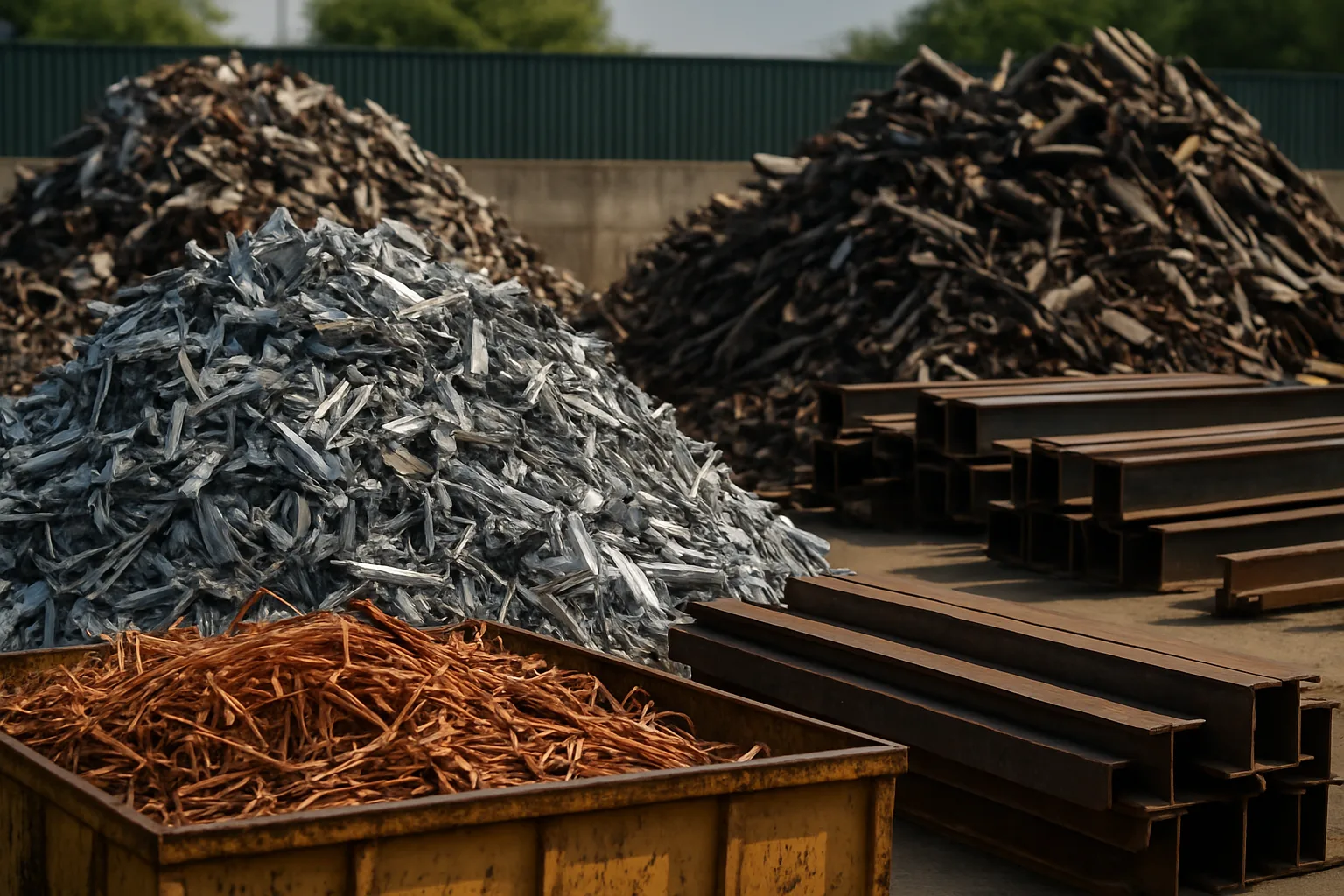
What Construction and Demolition Sites Leave Behind — And Why It's Worth More Than You Think
Most people walk past a demolition site and see rubble. Experienced scrap recyclers see a different picture entirely. Construction and demolition (C&D) sites are among the most reliable sources of recoverable scrap metal in Canada — and in fast-growing areas like Abbotsford, where development projects run year-round, that material adds up fast. If you're not already sourcing from C&D sites, you're leaving money on the table.
Understanding scrap metal recycling Abbotsford from a construction context means knowing what materials flow off these sites, how to recover them legally and efficiently, and where to sell them for the best return. This guide walks you through the full picture — from the beam to the buyer.
The Most Common Scrap Metals Found on C&D Sites
Not all construction scrap is equal. A residential teardown generates very different material than a commercial retrofit or industrial demolition. Here's what you're likely to encounter and why each metal matters when you're trying to get the best scrap metal prices British Columbia has to offer.
Ferrous metals — primarily steel and iron — make up the bulk of structural construction waste. This includes:
- Rebar pulled from concrete slabs and foundations
- Structural steel beams, columns, and angle iron
- Steel decking and corrugated roofing panels
- Cast iron pipe from older plumbing systems
- HVAC ductwork (galvanized steel)
Non-ferrous metals command higher prices per pound and are often more selectively recoverable. These include:
- Copper wiring and plumbing pipe — among the most consistently valuable items on any residential demo site
- Aluminum window frames, curtain wall panels, and storefront systems
- Brass fittings, valves, and fixtures
- Stainless steel handrails, kitchen equipment, and exhaust hoods in commercial builds
- Lead flashing around chimneys, skylights, and roof penetrations
Copper, in particular, draws serious attention. Copper scrap prices Abbotsford — and across British Columbia — track closely with global commodity markets. Even moderate volumes of clean copper pipe or wire can generate a meaningful return for a demolition crew or recycler willing to sort carefully.
How Construction Sites Generate Scrap Metal at Every Phase
The scrap doesn't all appear at the end of a demolition. Metal waste is generated throughout the construction lifecycle — from new builds to retrofits to full teardowns. Each phase has its own profile.
New Construction
Even building something new produces metal scrap. Cutoffs from rebar, electrical conduit trimmings, HVAC duct offcuts, and excess wire are all generated during framing, rough-in, and finishing. These materials are typically clean and uncontaminated, which means higher value when you sell scrap metal for cash. A well-organized site crew can segregate these cutoffs by metal type as the job progresses, rather than mixing everything into a single bin.
Renovation and Retrofit
Commercial and industrial retrofits are especially productive. Stripping out an old electrical system from a 1970s office building can yield significant volumes of aluminum conduit and copper wire. Upgrading a commercial kitchen generates stainless steel. Replacing HVAC systems in a large building produces copper coils, aluminum fins, and steel ductwork — all recoverable. In the Fraser Valley, where older commercial strips are being upgraded steadily, this kind of retrofit scrap is common.
Full Demolition
A complete structural teardown is where volume peaks. Older buildings often contain more recoverable non-ferrous metal than newer construction — lead pipes, heavy copper wiring, brass fixtures. Industrial demolitions can generate significant tonnage of structural steel. Managing this material properly, including accurate documentation and segregation by type, helps ensure you receive fair value when you bring loads to a yard or list them through a platform where you can find the best Canadian scrap metal prices today.
Sorting, Documenting, and Maximizing Value Before You Sell
How you handle material between the site and the scale directly affects what you get paid. A mixed, contaminated load — rebar tangled with wood, copper buried in drywall — is graded down. A clean, sorted load commands a better price and creates less friction at the yard or with any buyer reviewing your listing.
Here's a practical sorting approach for C&D scrap:
- Separate ferrous from non-ferrous at the source. Use a magnet. What sticks is ferrous (steel, iron). What doesn't is non-ferrous and typically worth more.
- Grade your copper. Bare bright copper wire, #1 copper pipe, and #2 copper (with fittings, solder, or slight oxidation) all price differently. Mixing them together loses you money.
- Strip or clean where it makes sense. Insulated wire graded as "insulated copper" prices lower than bare wire. Stripping pays off when volumes are large enough to justify the labor.
- Photograph and document everything. Weight estimates, metal types, photos of the material — this documentation matters when buyers need confidence before committing to a price. Platforms that require photo documentation before listing a load exist for exactly this reason.
- Know what you have before you quote a price. Don't guess. If you're not sure whether a fitting is brass or bronze, find out. Misidentifying material costs you on the scale.
For anyone looking to sell scrap metal online, documentation is the difference between a buyer placing a confident bid and a buyer walking away. Platforms like Canada's B2B scrap recycling marketplace SMASH are built around this principle — vetted buyers, competitive auction formats, and full inventory documentation, so sellers aren't leaving money behind because of poor record-keeping.
How to Purchase Scrap Metal from C&D Sites — What Buyers Need to Know
If you're on the buying side and want to how to purchase scrap metal from construction and demolition sources, the process has its own logic. Deals with contractors and demo crews work best when you move quickly, offer fair pricing, and reduce their administrative burden.
Here's how buyers typically source C&D scrap effectively:
- Build relationships with demo contractors early. If you're waiting until a job is done, you're often too late. The best buyers connect with site supervisors during project planning.
- Be ready to provide BOLs and packing lists. Professional documentation reassures sellers that they're dealing with a serious buyer — not someone who'll create problems at the pickup stage.
- Understand load composition before you price. A photo walkthrough or video of the material before you commit to a number saves everyone time and avoids disputes.
- Use a platform with verified sellers. SMASH vets both buyers and sellers, which means you're not chasing down a contractor who listed material they don't actually have.
The Fraser Valley construction market moves fast. In Abbotsford and surrounding areas, new industrial parks, residential developments, and infrastructure upgrades generate material regularly. Buyers who build systems to find and process this material consistently — rather than chasing one-off loads — build real competitive advantages. If you want to check current Canadian scrap metal prices before making an offer, that data helps you price with confidence rather than guessing.
Scrap Metal Recycling in Abbotsford — Turning Site Waste Into Revenue
Abbotsford sits in one of British Columbia's fastest-developing corridors. New warehouses, commercial buildings, residential subdivisions, and infrastructure projects push a steady stream of construction material through the region every year. For scrap recyclers, demo contractors, and metal buyers operating locally, this is an ongoing opportunity — not a one-time event.
The challenge isn't finding the material. The challenge is getting paid fairly for it. The traditional model — call one buyer, accept whatever price they offer, move on — leaves money behind. More buyers competing for the same load means better price discovery. That's not a slogan; it's how markets work.
SMASH brings that competitive dynamic to C&D scrap loads. Whether you're a contractor with a one-time load of structural steel or a recycling yard looking to move volume consistently, the auction format surfaces what the market will actually pay — not what one buyer decides to offer on a given morning. You can explore Abbotsford scrap metal services to understand local options and get your material in front of buyers who are actively looking.
For deeper guidance on pricing and market trends across Canada, read Canadian scrap metal pricing guides that break down what affects the value of the metals you're recovering — and how to time your sales for better returns.
Construction and demolition scrap isn't complicated. Sort it well. Document it properly. Get it in front of multiple buyers. The material has value — your job is to capture as much of it as possible. If you want to make sure you're getting the best rates available, find the best Canadian scrap metal prices today before your next load hits the scale.
Disclaimer: Scrap metal prices fluctuate based on global commodity markets, local demand, and material grade. All prices referenced are general indicators only. Always check current rates before selling.
Frequently Asked Questions
Q: What types of scrap metal are most commonly found on demolition sites in Abbotsford?
Demolition sites in Abbotsford typically produce structural steel, rebar, copper plumbing pipe and wiring, aluminum framing, brass fixtures, and galvanized steel ductwork. The mix depends on the building's age and type — older structures often contain more copper and lead, while newer commercial buildings yield more aluminum and stainless steel.
Q: How do I find out what copper scrap prices are in Abbotsford before I sell?
Copper prices shift daily based on global commodity markets. Checking a Canadian scrap pricing resource before you bring material to a yard or list it online ensures you're negotiating from an informed position. Platforms like SMASH also surface real buyer demand, which reflects current market conditions more accurately than a single phone call to one yard.
Q: Can I sell scrap metal online from a construction or demolition project?
Yes. Platforms designed for B2B scrap transactions allow you to document your load with photos and inventory details, then open it to multiple vetted buyers who submit competitive bids. This works especially well for larger loads — structural steel, copper bundles, or aluminum sections — where the volume justifies the process. SMASH is built specifically for this type of transaction.
Q: Do I need any permits to remove and sell scrap metal from a demolition site in British Columbia?
Material ownership and removal rights need to be clearly established before any scrap leaves a site. Typically, the demolition contractor or property owner controls the salvage rights. In British Columbia, secondary metal dealers are also subject to provincial regulations around record-keeping and identification requirements for sellers. Always confirm ownership and local compliance requirements before removing or selling material.
Q: How does sorting scrap metal on-site affect the price I get?
Significantly. A mixed, contaminated load is graded at the lowest value of the metals present — sometimes lower. Sorting copper, aluminum, and steel separately before you sell can meaningfully increase your return per pound. Clean, graded material also moves faster through auction platforms and yard transactions because buyers know exactly what they're bidding on.
---Stay current on scrap metal market trends and pricing insights — follow SMASH on LinkedIn for regular updates from inside the North American recycling industry.