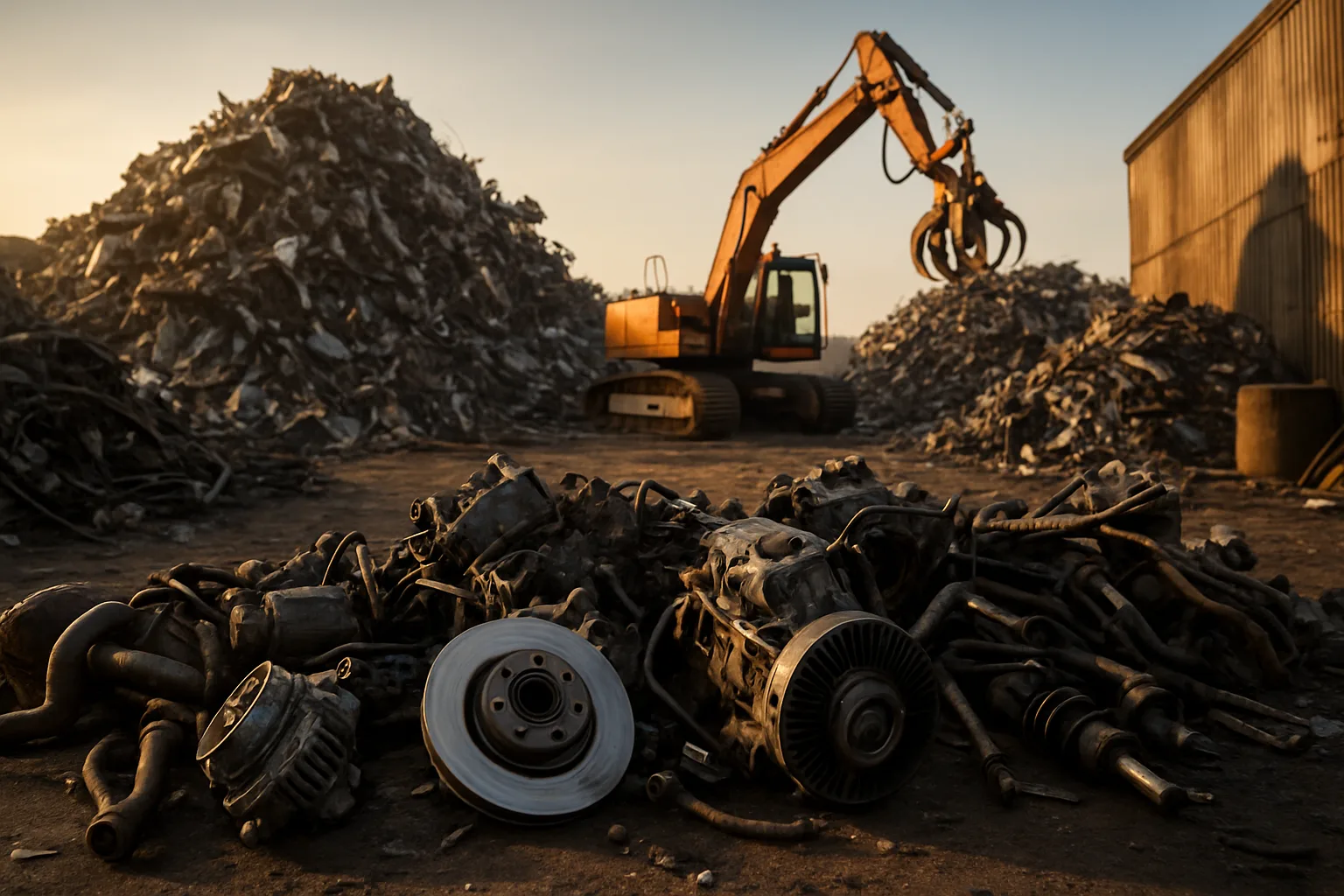
What's Really Inside Your Old Radiator and Alternator — And Why It's Worth Cash
Most people toss a dead alternator in a bin and forget about it. That's money left on the table. Auto parts like radiators, alternators, starters, and A/C compressors are dense with recyclable metal — copper, aluminum, and steel that yards actively want. If you're in London and you're sitting on a pile of pulled parts, knowing what's inside them changes the conversation you have at the gate.
This guide breaks down exactly how those parts get recycled, what metals come out of them, and how to get a competitive price when you go to sell scrap metal near me London. Because there's a big difference between what one buyer quotes you on the phone and what the actual market will pay.
How Auto Parts Break Down into Recyclable Metal
Before a radiator or alternator becomes a commodity, it goes through a process — either at the yard or at a downstream processor. Understanding that process tells you a lot about where the value sits.
Radiators are typically made from aluminum and copper, or in older vehicles, brass and copper. A standard passenger vehicle radiator carries a mix of aluminum fins, copper tubing, and brass end tanks depending on the year and make. Yards either buy them whole as "clean" or "dirty" radiators, or they strip them before selling. A clean copper-brass radiator with no plastic or steel attached commands a higher price. An aluminum radiator with plastic end tanks is graded differently — the plastic gets stripped off before the aluminum goes to the smelter.
Alternators are heavier than they look. Inside, you've got a copper winding (the stator), aluminum or iron housing, and a steel shaft. Some yards buy alternators whole and ship them to specialty processors who break them down mechanically. Others strip them in-house. Either way, the copper content is the prize — it's what drives the value above generic steel pricing. The same logic applies to starters and electric motors pulled from hybrid drivetrains.
Scrap Metal Prices Today: What These Parts Are Actually Worth
Pricing on auto parts is more nuanced than posting a flat rate per pound. The grade matters. The condition matters. Whether you've got five alternators or fifty matters. And most importantly, who's buying matters.
Here's a general breakdown of how these parts get classified at most Canadian yards:
- Copper-brass radiators (clean): Priced closer to mixed copper or brass rates — significantly above aluminum
- Aluminum radiators: Priced as a prepared aluminum grade, which tracks the aluminum market daily
- Whole alternators: Typically bought as a mid-grade item — above shredder steel, below clean copper
- Stripped alternators (copper windings): Approach copper-bearing grades if the stator is fully clean
- A/C compressors: Usually aluminum with steel components — priced as a mixed or prepared grade
The gap between what one yard pays and what another pays on the same load can be meaningful. That's not an opinion — that's the reality of a market without price transparency. Platforms that run competitive auctions exist specifically because that gap is real. To check current Canadian scrap metal prices before you load the truck, do it. You'll negotiate better when you already know the range.
Disclaimer: Scrap metal prices fluctuate daily based on commodity markets. Always verify current rates before selling.
The Old Way of Selling Auto Parts for Scrap — And Why It Costs You
The old way goes like this: you call one yard, they give you a number, you take it or leave it. If you don't know the market, you take it. That's not the yard's fault — they're running a business. But it's not the best outcome for you either.
Single-buyer pricing works in the buyer's favor. One quote, no competition, no visibility into what the load is actually worth on the open market. London has several yards that buy auto parts, but calling each one individually and trying to compare quotes is slow, inconsistent, and frustrating. Quotes expire. Conditions differ. You end up going with whoever answered the phone.
That's the problem a scrap metal auction model is built to solve. When multiple vetted buyers see the same load at the same time and compete for it, the pricing reflects actual demand — not one buyer's margin target. Compare scrap metal bids from Canadian buyers and see the difference competition makes in what you walk away with.
Platforms like SMASH bring this model to yards and sellers who are tired of guessing. You document your load — photos, weights, grades — and vetted buyers bid. No cold calls. No back-and-forth. Just competitive pricing on what you actually have.
Preparing Your Auto Parts Load Before You Sell
Preparation is where sellers leave money behind — or make it back. A little sorting goes a long way, especially with auto parts that contain mixed metals.
Here's what to do before you bring a load of auto parts to a buyer or list it through a platform like SMASH:
- Separate your metals. Keep copper-bearing parts (alternators, starters, motors) separate from steel scrap. Don't let a 30-pound alternator get buried in a bin of iron — it'll get priced at the iron rate.
- Remove obvious contaminants. Plastic end tanks on radiators, rubber hoses, and brackets reduce grade. Strip what you can. Even a partial strip on copper-brass radiators improves what you're paid.
- Drain fluids. Coolant in a radiator adds weight but not value, and many yards won't accept parts that are actively dripping. Drain it and document that you have.
- Photograph and weigh your load. If you're selling through a platform, documentation matters. Buyers bid with more confidence when they can see the load clearly. SMASH's inventory tool lets you capture this before it goes to market.
- Know your volumes. A load of 20 clean alternators is a different conversation than two. Buyers price larger volumes differently — often better. Know what you have before you price it.
For London scrap metal services, the expectations around preparation are consistent with what Ontario yards across the province see regularly. Clean, sorted loads move faster and attract stronger bids.
Why London Sellers Should Think Beyond the Local Yard
London, Ontario has solid infrastructure for scrap — the city's manufacturing history and auto sector footprint mean yards here see real volume. But "local" doesn't automatically mean "best price." The metal you pull from a radiator ends up in a global commodity chain regardless of where you sell it. The buyer in London is ultimately selling to the same downstream processors as buyers in Toronto or Hamilton.
What changes is who's competing for your load. A seller in London who lists their auto parts scrap through a competitive platform exposes that load to buyers across Ontario and beyond. That's more competition. More competition means better price discovery — not guaranteed, but consistently more likely than a single-buyer call.
Find the best Canadian scrap metal prices today by treating your scrap like what it actually is: a commodity with a real market, not a favor someone does for you at the gate. The sellers who understand that consistently do better than the ones still calling one number and taking the first offer.
SMASH was built around this idea. No subscription fees. No guessing. You only pay when the load sells. That's the model that makes sense when you're selling radiators and alternators by the truckload — or by the dozen. Read Canadian scrap metal pricing guides to build your market knowledge before your next load goes out.
Frequently Asked Questions
Q: Can I sell scrap metal near me in London without sorting it first?
You can, but you'll likely get a lower blended rate. Yards grade mixed loads conservatively — they price for the lowest-value metal in the pile. Spending 20 minutes separating your alternators and radiators from your steel scrap almost always results in better payouts. Sort first, sell smarter.
Q: What's the difference between a clean and dirty radiator in scrap pricing?
A clean radiator has the plastic tanks, rubber, and steel brackets removed — it's pure copper-brass or aluminum. A dirty radiator still has those attached. Yards pay more per pound for clean because they don't have to process it themselves. The price gap can be significant, especially on copper-brass units.
Q: How do scrap metal prices today affect what I get for auto parts?
Directly. Alternators, radiators, and motors are priced based on their copper, aluminum, or steel content — and those metals are traded daily on global commodity markets. When copper prices rise, your alternator load is worth more. Checking current prices before you sell gives you leverage and helps you decide whether to move a load now or wait.
Q: What is a scrap metal auction and how does it help me get better prices?
A scrap metal auction puts your load in front of multiple vetted buyers at the same time. Instead of taking one offer from one yard, buyers compete — and competition reveals what the market actually wants to pay. Platforms like SMASH run this model with no subscription fees, so sellers keep more of the upside.
Q: Is it worth scrapping alternators and starters individually, or should I sell them by the load?
Both approaches work, but volume typically attracts better per-pound pricing. If you're an auto shop or dismantler in London pulling parts regularly, accumulating a full load before selling gives you more leverage. For one-off sellers, even a few units are worth sorting and selling at the correct grade rather than tossing them in with general iron scrap.
If you're pulling auto parts and wondering what they're worth on today's market, don't guess — and don't settle for the first number you hear. Get the best Canadian scrap metal prices by checking current rates at best-scrap-metal-prices.ca before your next load goes out the door.
Stay current on scrap metal market trends and pricing shifts by following SMASH on LinkedIn — useful for anyone selling non-ferrous auto parts who wants to know what the market is doing before they sell.