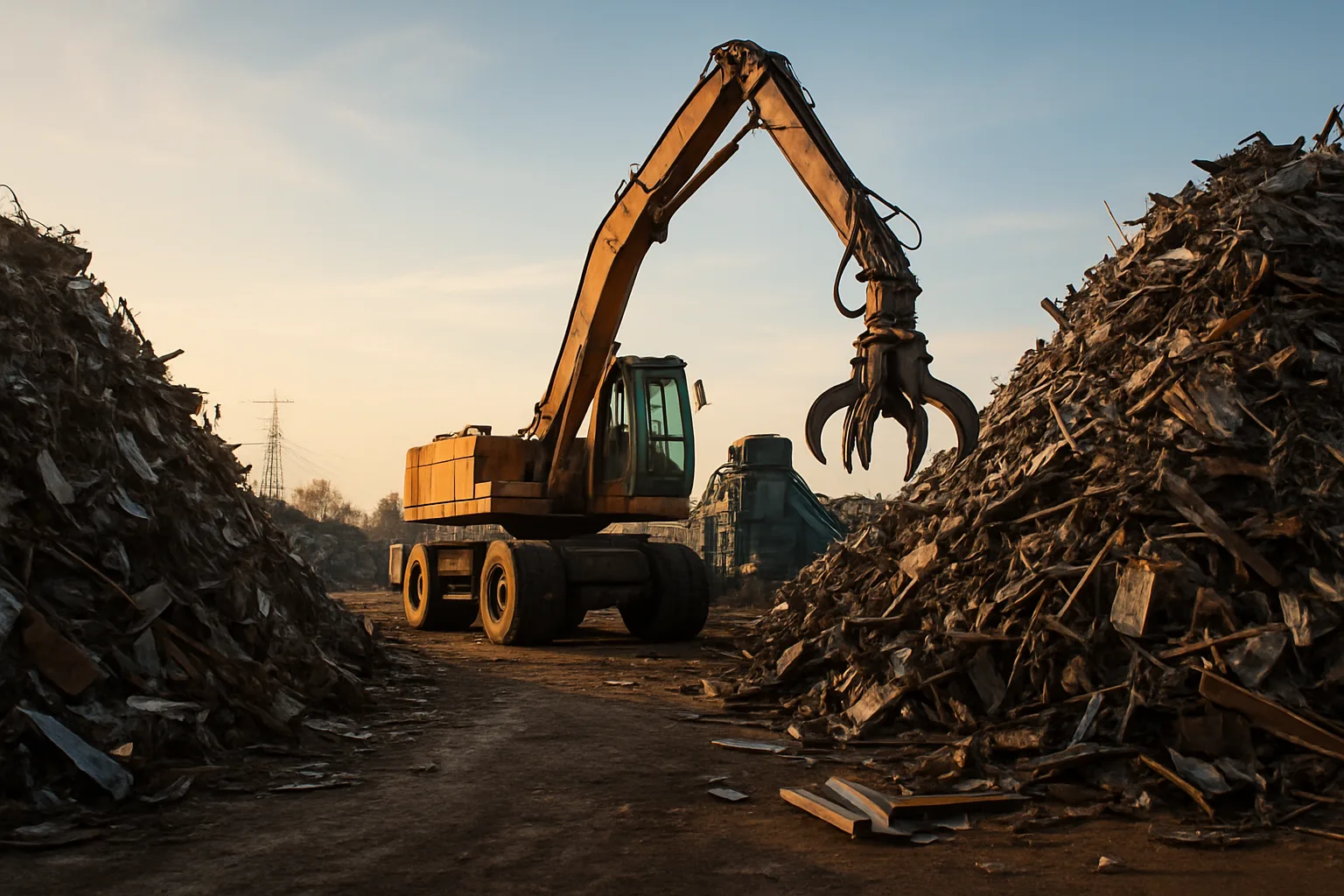
Sort It Right and Get Paid More: How to Prepare Scrap Metal for Maximum Value in Windsor
Most sellers leave money on the table before they ever reach the scale. Not because the market is bad — because the metal shows up wrong. Mixed loads, unlabelled material, dirty copper, and unsorted non-ferrous sitting next to steel. Yards discount that. Every time. If you want the best scrap metal prices Windsor has to offer, preparation is where the work actually happens.
This guide breaks down exactly how to sort, clean, and document your scrap metal so you walk in — or list online — with material buyers actually compete over. Whether you're moving a few loads a month or managing a full yard in Ontario, these steps make a real difference at the scale.
Why Sorting Scrap Metal Before You Sell Changes Everything
A yard buying mixed metal is managing risk. They don't know what's in the pile, so they price it low enough to cover the worst-case scenario. That gap between what they assume and what's actually there? That comes out of your pocket.
Sorted, clean, documented material tells a different story. Buyers can grade it quickly. They bid with confidence. And when buyers bid with confidence, competition goes up — which is exactly how price discovery is supposed to work. Platforms like SMASH Recycling — where verified buyers bid on your metal are built on that principle: documented inventory drives stronger offers.
Here's what proper sorting actually does for your bottom line:
- Eliminates the "mixed load" discount yards apply to ungraded material
- Lets buyers make faster decisions — faster decisions mean more bids
- Positions your loads for competitive auction formats, not single-buyer take-it-or-leave-it offers
- Reduces processing time at the yard, which some buyers factor into their offers
The Core Sorting Categories Every Seller Should Know
Start with the basic separation between ferrous and non-ferrous. Ferrous metals contain iron — steel, cast iron, heavy melt — and they're magnetic. Non-ferrous metals don't have iron. That includes copper, aluminum, brass, stainless steel, and lead. A magnet is your first sorting tool. Use it.
Within non-ferrous, the grades matter enormously. Copper alone has multiple grades that command very different prices:
- #1 Copper (Bare Bright): Clean, uncoated, unalloyed copper wire — the highest grade. No insulation, no solder, no oxidation.
- #2 Copper: Slightly oxidized, or copper with solder joints. Pipes, bus bars, plumbing off-cuts.
- Insulated Copper Wire: Grade depends on insulation thickness and copper recovery percentage. Strip high-yield wire when the math makes sense.
- Copper Roofing / Sheet: Generally treated as #2 unless it's very clean.
Aluminum also breaks into grades buyers care about. Cast aluminum (engine blocks, wheels) versus sheet aluminum (siding, gutters) versus extruded aluminum (framing, window profiles) all price differently. Same weight, very different value. Mixing them is a discount you're giving away for free.
If you're in Windsor or anywhere in Ontario dealing with automotive-origin material — and a lot of scrap in this region is — you're also likely handling catalytic converters, copper cores, and radiators. These deserve their own category in your sorting process. Find the best Canadian scrap metal prices today and see why separating cats from general non-ferrous is worth the extra step.
Scrap Metal Inventory Management: Document Before You Move It
Sorting without documentation is half the job. If you're selling to a single local buyer, they'll grade it at their scale and you'll take their number. If you want leverage — real leverage — you need to show up with records buyers can rely on.
Good scrap metal inventory management looks like this:
- Photograph every load before it moves. Front, back, and close-up on the grade material. Photos kill disputes and build buyer confidence when you're selling through an auction or marketplace.
- Record weights by category at the point of sorting. Don't mix weights. If you pulled 340 lbs of #1 copper and 180 lbs of #2, write both down separately.
- Note source material where it's relevant. Automotive, industrial demolition, HVAC, electrical — buyers price based on what the metal went through, not just what it is.
- Use serial tracking for regulated materials. Catalytic converter serial numbers matter. Some buyers require them. Some jurisdictions regulate them. Track them from pickup to sale.
- Build a packing list for each load. Weight, grade, quantity, any special handling notes. This is standard in a real B2B scrap metal marketplace — and it's what separates professional sellers from one-and-done callers.
SMASH's platform is built around exactly this kind of documentation. When you list a load with photos, weights, and grade notes, buyers don't have to guess. They bid harder. That's not an accident — it's the mechanism that makes competitive auctions work in your favour.
Cleaning and Prep: When It Pays and When It Doesn't
Not every cleaning step makes financial sense. You're trading labour time for a potential grade bump, and that math doesn't always work out. Here's a practical breakdown:
Usually worth doing:
- Stripping high-yield insulated copper wire (60%+ copper recovery) — the bump from insulated to bare copper is significant
- Removing steel attachments from copper or aluminum — mixed materials drop the entire lot to the lower grade
- Separating radiators from attached steel brackets and fittings
- Pulling brass fittings off copper pipe rather than selling as a mixed assembly
- Cleaning heavy contamination (oil, concrete, excessive dirt) off cast aluminum — some yards discount aggressively for contaminated material
Usually not worth doing:
- Stripping low-yield wire (under 30% copper recovery) — the labour cost exceeds the grade bump
- Attempting to re-grade marginal #2 copper as #1 — buyers will catch it and it damages your credibility
- Cutting steel into specific lengths when selling to yards that process it themselves
The honest answer is: know your local buyers and what they're weighing. Windsor Ontario yards have their own grade standards and tolerance levels. Build that relationship, or use a platform where multiple buyers compete and grade their own bids — which removes that guesswork from your side of the transaction.
How to Sell Scrap Metal for Cash Through a Competitive Process
Once your material is sorted, photographed, and documented, you have two options. You can call one buyer, get one price, and take it. Or you can put the load in front of multiple vetted buyers and let competition do the work.
The old way — one call, one price, no context — is how most scrap gets sold in Canada right now. The problem isn't that the buyers are dishonest. The problem is that a single offer is never the market. It's one person's read on the market, on that day, with their current inventory needs. It might be high. It might be low. You have no way to know.
When you sell scrap metal for cash through an auction-based B2B scrap metal marketplace, you're not guessing. You're letting the market tell you what your metal is worth. More buyers means better price discovery. Documented inventory gives those buyers more confidence to bid aggressively.
If you're managing regular loads out of Windsor or across Ontario, it's worth understanding what a structured listing process can do for your average load value. Read Canadian scrap metal pricing guides to build a stronger baseline before your next sale.
And to run a proper auction with vetted buyers on your loads, SMASH Recycling — where verified buyers bid on your metal is where to start. No subscription fee. SMASH only wins when you win. You can also check current Canadian scrap metal prices to benchmark your loads before you list.
Local Considerations for Windsor Sellers
Windsor's industrial and automotive history means the scrap mix here skews heavily toward automotive-grade material. Catalytic converters, aluminum castings, copper wiring harnesses, and stainless components move through this market constantly. That's an advantage if you know how to handle it — and a liability if you're bundling high-value material into generic mixed loads.
If you're operating Windsor scrap metal services, you're close to both Michigan buyers and Ontario processors. That geographic position gives you options. Use them. A buyer in Detroit might pay differently than a yard in London or Hamilton. Competitive listing through a marketplace that reaches across that geography puts you in a better position than a single local phone call.
Ontario regulations around catalytic converter documentation have tightened in recent years. Serial tracking isn't optional for cats anymore — it's part of doing business cleanly. Build that into your inventory process from the start and it becomes routine rather than a compliance headache.
Prices fluctuate daily based on commodity markets, demand cycles, and regional factors. Always check current rates before committing to a sale — this article reflects general market dynamics as of July 2026, not a live price quote.
If you're ready to stop guessing what your loads are worth, start sorting with intent, document everything, and put your material in front of buyers who compete for it. Get the best Canadian scrap metal prices — check rates at best-scrap-metal-prices.ca before your next load moves.
Frequently Asked Questions
Q: What's the most important thing I can do to get the best scrap metal prices in Windsor?
Sort your metal by grade before you sell. Mixed loads get discounted because buyers price for the worst material in the pile. Clean, separated, documented loads give buyers the confidence to offer stronger prices — and in a competitive marketplace, that documentation drives real bidding.
Q: Is it worth stripping copper wire before selling scrap metal in Ontario?
It depends on the wire's copper recovery rate. High-yield insulated wire (60% copper or more) is usually worth stripping — the grade bump more than covers the labour. Low-yield wire under 30% recovery often isn't worth the time. Know your wire before you decide.
Q: How does a B2B scrap metal marketplace differ from just calling a local yard?
A local yard gives you one price — their price. A B2B scrap metal marketplace puts your documented load in front of multiple vetted buyers who compete against each other. Competition reveals the market; a single phone call doesn't. Platforms like SMASH are built specifically for this dynamic.
Q: Do I need to track catalytic converter serial numbers when selling scrap in Windsor?
Yes. Ontario regulations require documentation for catalytic converter sales, and most serious buyers expect serial numbers as part of the transaction. Build serial tracking into your inventory process from the start — it protects you legally and makes your loads more attractive to buyers who require it.
Q: How often do scrap metal prices change in Canada?
Prices move constantly — sometimes daily — based on global commodity markets, North American demand, and local yard inventory levels. Never rely on a price you heard last week. Check current rates before every sale at best-scrap-metal-prices.ca to make sure you're benchmarking accurately.
Follow SMASH on LinkedIn for ongoing scrap metal market updates, pricing insights, and industry news across North America.