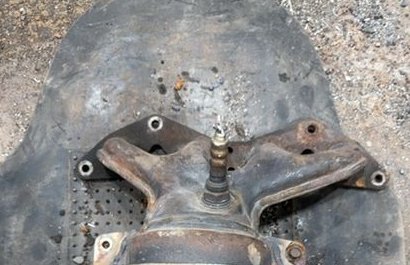
Most people have no idea what's hiding under their old vehicle. A single catalytic converter can be worth anywhere from a few dollars to several hundred — and the spread between those two numbers isn't random. It comes down to chemistry, commodity markets, and whether you're selling to the right buyer. If you're doing scrap metal recycling in Windsor and you've got cats sitting in your yard, understanding how this material gets valued could put real money back in your pocket.
This isn't a simple commodity like bare copper wire or clean aluminum. Catalytic converters are complex. The pricing is volatile. And without the right tools or the right platform, you're almost certainly leaving money on the table.
What's Actually Inside a Catalytic Converter
The value isn't in the steel shell. It's in what's coated onto the ceramic or metalite substrate inside — platinum, palladium, and rhodium. These are called platinum group metals (PGMs), and they're among the most valuable materials traded on global commodity markets. The concentrations are small, measured in grams or fractions of grams, but the per-ounce prices for these metals can reach into the thousands.
That's why catalytic converters don't get priced the same way you'd price a load of #1 copper or a bundle of cast iron. The assay process — actually smelting and testing the substrate — is what determines the final metal yield. Most buyers quote based on historical assay data for known converter types, which is why accurate identification matters so much.
- Platinum (Pt): Used heavily in diesel converters. Price varies with industrial demand and mine supply from South Africa and Russia.
- Palladium (Pd): Dominant in gasoline converters. Has seen dramatic price swings over the past several years as automotive demand spiked, then corrected.
- Rhodium (Rh): The rarest and most volatile of the three. A small change in supply or demand can move the price significantly.
The combination of metals, their concentrations, and the current spot prices for each PGM are what determine what your cats are worth on any given day. That's why the same converter can fetch a different price in October 2026 than it did eighteen months ago — even if nothing changed about the physical part.
Why Catalytic Converter Prices Vary So Much
You've probably noticed that prices for cats seem inconsistent. One buyer quotes you one number, another quotes something completely different. That's not a mistake — it reflects real factors that move the market.
First, the PGM spot market is genuinely volatile. Palladium, for example, has traded at prices ranging from under $1,000 USD per troy ounce to well over $2,000 in recent years. Rhodium has seen even wilder swings. When these metals move, converter prices move with them — sometimes fast. A load you quoted on Monday might carry a different value by Friday.
Second, converter type matters enormously. Aftermarket converters (often called "AMs") carry far less PGM loading than original equipment manufacturer (OEM) parts. A factory converter from a late-model truck will assay out very differently than a direct-fit aftermarket replacement. Buyers who know their inventory — and use tools like VIN lookup and serial tracking to identify parts accurately — will price more precisely than those guessing from the outside.
Third, volume and lot composition affect what you're offered. A mixed lot of unknown cats is harder for a buyer to underwrite. A documented lot with identified makes, models, and types gives buyers confidence — and confident buyers bid higher. This is exactly where platforms like smashrecycling.ca create real value: documented inventory attracts more serious buyers, and more buyers means better price discovery.
How the Recycling Process Actually Works — From Yard to Refinery
Once a catalytic converter leaves your yard, it goes through several steps before the PGMs are recovered. Understanding this chain helps explain why pricing is what it is.
- Collection and sorting: Converters are sorted by type — foil, ceramic, diesel, aftermarket, OEM. Identification at this stage is critical. Misidentified cats get priced wrong, and that cost lands somewhere in the chain.
- Decanning: The steel shell is removed to expose the substrate. Some yards do this on-site; others ship whole units. Decanned substrate is easier to sample and assay accurately.
- Sampling and assay: A representative sample of the substrate is sent to a lab (or the full lot is smelted). The assay results tell the refinery exactly what PGM content is present.
- Smelting and refining: The substrate is processed at high temperature. PGMs are recovered, refined to spec, and sold into the industrial or financial markets.
- Settlement: Payment is made based on the confirmed assay — either at a fixed price agreed upfront (outright sale) or on a returned value basis where the seller receives a percentage of the assayed metal value.
Most scrap yards in Windsor and across Ontario sell outright to a middleman rather than dealing directly with refiners. That's practical for smaller volumes — but it means you're selling at a discount to someone who captures margin between your price and the refinery's return. The question is: how tight is that spread, and are you getting a fair number?
How to Get Better Prices for Your Catalytic Converters in Windsor
The answer isn't complicated, but it does require a different approach than the traditional "call your guy and take what he offers" method.
Start with documentation. Know what you have. Use serial numbers, part numbers, or VIN data to identify your cats accurately before you approach any buyer. A converter you can identify is worth more than one that's a mystery. Photo documentation — clear shots of the substrate, the part number stamping, the housing — builds the kind of buyer confidence that translates into better offers.
Then put your inventory in front of more than one buyer. This is the core problem with the old single-buyer model: one buyer has no incentive to stretch. Competition does what negotiation can't. When you find the best Canadian scrap metal prices today, you're not just getting a number — you're understanding what the market is actually willing to pay, not what one buyer decides to offer you.
SMASH was built around this exact principle. The auction format on SMASH puts vetted buyers in competition for your material. No subscription fees. No locked-in relationships. Just a transparent process where documented loads attract real bids. If you're running Windsor scrap metal services and you're moving any volume of cats, the difference between one buyer and five can be significant — especially on high-value material like this.
It's also worth tracking the market. PGM prices are publicly available through commodity data providers. Knowing roughly where palladium and rhodium are trading gives you a baseline to evaluate any offer you receive. If a buyer quotes you a number that doesn't track with current spot, you need to know that before you shake hands.
Copper Scrap, Steel, and Why Cats Are a Different Animal
If you're used to selling copper scrap or steel in Windsor, catalytic converters require a different mindset. Copper scrap prices in Windsor move with LME copper — a market that's relatively liquid and easy to track. Steel pricing follows published indices. These are commodities where the spread between spot price and what you receive at the yard is well understood.
Cats are less transparent. The underlying PGM prices are public, but the assay yield for any given converter isn't — and that's where buyers have information advantages over sellers who haven't done their homework. This is why reading Canadian scrap metal pricing guides and staying current on how different materials are valued matters for anyone doing serious volume.
That said, the fundamentals are the same: more buyers, better data, and documented inventory all push prices in your favor. Whether you're selling bare bright copper, aluminum extrusions, or a pallet of mixed cats, the principle holds. SMASH applies this across material types — not just cats — so yards running mixed operations can use the same platform for multiple commodities.
For those across Ontario looking to understand pricing for non-ferrous material, check current Canadian scrap metal prices before your next transaction. Market conditions in October 2026 reflect a range of pressures — currency movement, global auto production trends, and supply-chain shifts that affect PGM availability. Don't sell into a market you haven't looked at.
What to Expect When You Sell Cats Through a Competitive Platform
If you haven't used an auction-style platform to sell scrap before, the process is more straightforward than it sounds. You document your inventory — photos, part identification, quantity, condition. That information goes to vetted buyers who submit competing bids. You review offers, accept the best one, and the logistics flow from there. Auto-invoicing and documentation tools handle the paperwork.
The key difference from the old way: you're not guessing, and you're not relying on one relationship to give you a fair number. Competition can help reveal the market. That's not a guarantee of any specific outcome — prices fluctuate based on PGM markets and buyer appetite — but it's a fundamentally better process than a single phone call and a handshake price.
For yards in Windsor moving regular volume of catalytic converters, building a repeatable process around this approach makes sense. Identify your material properly. Document it thoroughly. Put it in front of multiple vetted buyers. Track the underlying market so you can evaluate what you're being offered. That's how you stop leaving money on the table.
If you want to find the best Canadian scrap metal prices today and understand what your catalytic converters are actually worth in the current market, start there. Pricing information, market context, and tools that help you sell smarter are all available — use them.
Frequently Asked Questions
Q: How do I know if my catalytic converters are worth selling in Windsor?
If you have OEM catalytic converters from gasoline or diesel vehicles, they almost certainly have recoverable PGM value. Aftermarket converters are worth less but still tradeable. The best way to find out what you have is to identify the part numbers and get quotes from multiple buyers — not just one local contact. Scrap metal recycling in Windsor is competitive enough that you have options.
Q: Why do catalytic converter prices change so often?
Because the value is tied to platinum, palladium, and rhodium — metals that trade on global commodity markets and can move significantly in short periods. A shift in automotive production volumes, a supply disruption from a major mining region, or changes in currency exchange rates can all affect what your cats are worth from one week to the next. Always check current rates before selling a significant lot.
Q: Is it better to sell catalytic converters outright or on a returned-value basis?
It depends on your risk tolerance and volume. Outright sales give you a known, immediate price. Returned-value arrangements mean you share in the assay results — which can be better or worse than the outright offer depending on the actual PGM yield. For most yards in Ontario without direct refinery relationships, outright sales through a competitive platform is the most practical approach.
Q: Can I sell catalytic converters online in Canada?
Yes. Platforms built for the scrap industry — like SMASH — let you document and list your inventory to reach vetted buyers across North America. This is exactly the kind of "sell scrap metal online" approach that gets your material in front of more buyers than a single local yard visit. Make sure your inventory is well-documented with photos and part identification before listing.
Q: Do I need a large volume to get competitive pricing on scrap metal in Windsor?
Volume helps, but it's not the only factor. Accurate identification and good documentation can improve your pricing even on smaller lots. Buyers price based on confidence — the more clearly they can assess what they're buying, the less risk they price in. That said, if you're aggregating material over time before selling, you may find better buyer interest on larger, well-documented lots.
The catalytic converter market rewards sellers who do their homework. Know what you have, document it properly, and put it in front of buyers who compete for it. If you're serious about getting fair value for your scrap material, check rates at best-scrap-metal-prices.ca — and make decisions based on what the market is actually doing, not what one buyer tells you it's doing.
Prices for catalytic converters and all scrap metals fluctuate based on commodity markets. Always verify current rates before selling. The information in this article reflects general market dynamics as of October 2026 and is not a guarantee of specific pricing outcomes.
Stay current on scrap metal market trends and industry insights by following SMASH on LinkedIn — useful for anyone moving metal regularly in Windsor, across Ontario, or anywhere in Canada.