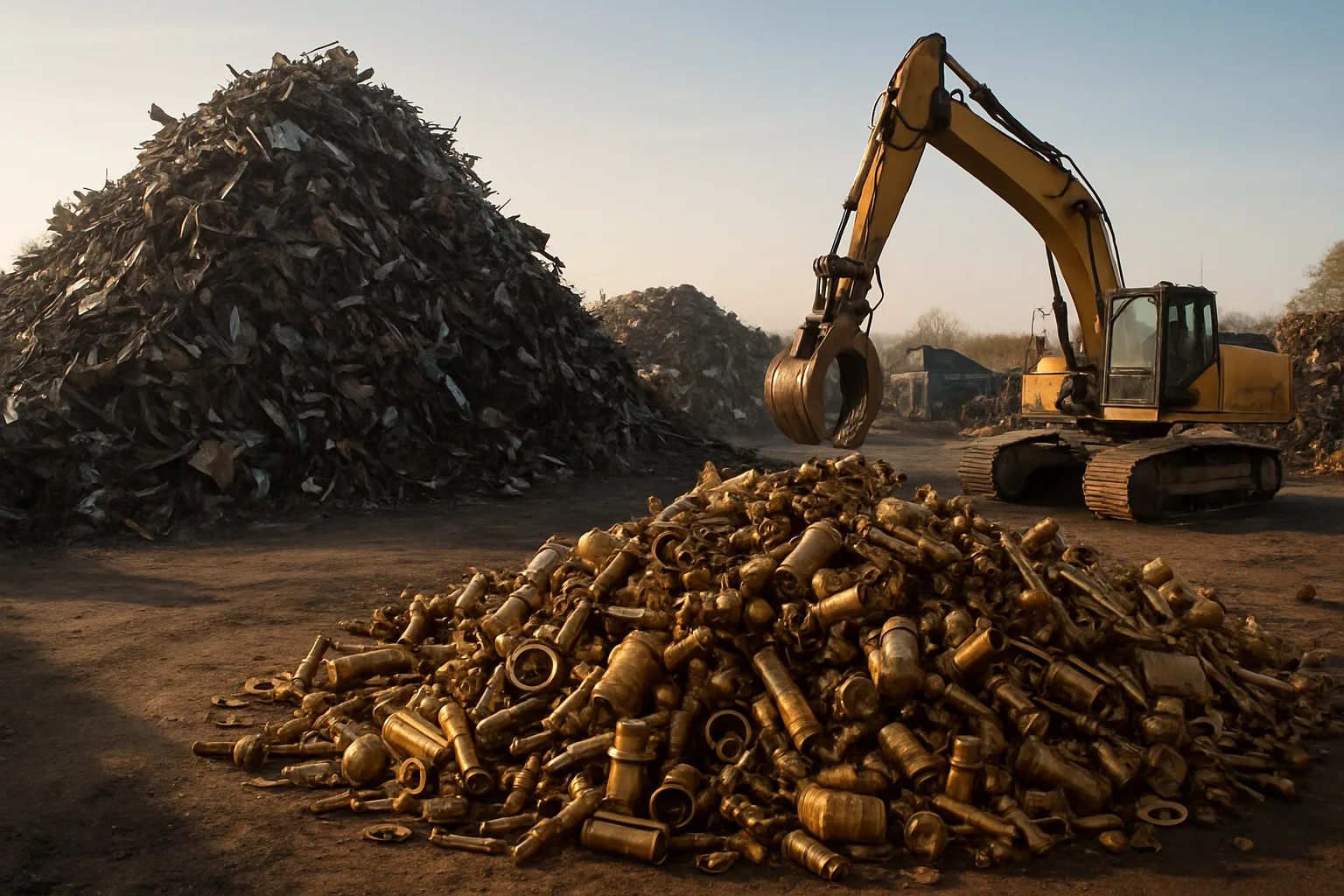
Brass and Bronze Scrap in Canada: What It's Worth and Where to Find It
Most scrap sellers walk past brass and bronze every day without realizing what's sitting in front of them. These two alloys are among the most valuable non-ferrous metals you can bring to a yard — and in markets like Red Deer, where industrial and agricultural activity keeps material flowing, knowing how to identify and price them correctly puts real money in your pocket.
If you're looking to sell scrap metal Red Deer and you haven't been separating your brass and bronze from general metal piles, you're likely leaving significant value on the table. This guide breaks down what these metals are, where they show up, what they're worth in Canada right now, and how to make sure you get a competitive price when you sell.
Disclaimer: Scrap metal prices fluctuate daily based on commodity markets, exchange rates, and local demand. Always check current Canadian scrap metal prices before making a trip to the yard.
---What Are Brass and Bronze — and Why Does the Difference Matter?
Brass and bronze look similar. Both have that warm, golden-brown tone. But they're different alloys, and yards price them differently. Getting them mixed up means you either get underpaid or you hand over a metal that's worth more than the bin it's thrown into.
Brass is an alloy of copper and zinc. It's the most common of the two in everyday applications. Think plumbing fittings, valves, electrical connectors, keys, door hardware, and decorative fixtures. It machines well and resists corrosion, which is why it shows up constantly in residential and commercial construction teardowns.
Bronze is primarily copper and tin, though modern bronze alloys often include aluminum, silicon, or manganese. It's harder and more wear-resistant than brass, which makes it common in:
- Pump impellers and industrial bushings
- Marine hardware and ship fittings
- Bearings and sleeve bearings in heavy equipment
- Statues, plaques, and architectural elements
- Gear components and valve seats
A simple field test: brass often has a brighter, more yellow tone. Bronze typically runs darker, more reddish-brown. When in doubt, tell the yard what you think it is and let them grade it. Being honest about material type builds trust and gets you graded accurately — which usually means a better outcome than guessing wrong.
---Where Brass and Bronze Scrap Actually Come From
You don't need to work in a foundry to accumulate brass and bronze. These metals show up in renovation projects, farm equipment, old vehicles, and industrial cleanouts across Alberta — including right here in Red Deer's industrial corridor and surrounding counties.
Here's where experienced scrappers find the most material:
- Plumbing teardowns: Old homes often have brass valves, fittings, and shut-off valves throughout. A single bathroom gut can yield several pounds of clean brass.
- HVAC and mechanical systems: Brass ball valves and compression fittings are standard in heating systems. These show up constantly in commercial building demolitions.
- Agricultural equipment: Older farm machinery uses bronze bushings and bearings in augers, grain handling equipment, and hydraulic systems. Alberta's agricultural base means this material is more accessible here than in urban-only markets.
- Electrical gear: Brass connectors, lugs, and terminals come out of electrical panels, switchgear, and motor control centers.
- Old vehicles and heavy equipment: Radiator tanks on older vehicles were brass. Bronze engine bushings and hydraulic fittings are common in excavators, loaders, and other heavy gear.
- Industrial pump and valve systems: Oilfield and pipeline infrastructure generates bronze valve components, pump housings, and impellers. This is especially relevant in central and northern Alberta.
If you're doing any kind of industrial, commercial, or mechanical work in the Red Deer area, sorting your brass and bronze before it hits the bin is worth the extra ten minutes. The price difference between a mixed non-ferrous pile and cleanly sorted brass is meaningful.
---Scrap Metal Prices Today — What Brass and Bronze Fetch in Canada
Brass and bronze are both priced as a percentage of copper — so when scrap metal prices today shift on copper, brass and bronze move with them. Copper is the anchor. Understanding that relationship helps you time your sales better.
In general terms, here's how brass and bronze typically stack up against other non-ferrous metals at Canadian yards:
- Clean yellow brass (plumbing fittings, valves, no attachments): One of the higher-value brass grades
- Red brass (higher copper content, old plumbing): Typically priced above yellow brass
- Mixed brass (unsorted, with attachments): Discounted from clean grades
- Bronze bushings and bearings: Often priced similarly to or slightly above clean brass depending on alloy content
- Aluminum bronze: Contains both copper and aluminum — some yards have specific pricing, others blend it with general bronze
How does this compare to other metals you might be selling? Aluminum scrap price today across Canada runs considerably lower than brass or bronze on a per-kilogram basis. If you're holding a mix of aluminum and brass, keep them separate — you'll get the appropriate price for each rather than having the higher-value material dragged down by the lower.
Copper itself sits above both brass and bronze — which makes sense, since brass and bronze are copper alloys diluted with other metals. The closer your material is to pure copper, the higher the per-kilo return. Find the best Canadian scrap metal prices today to see where copper, brass, and bronze are trading before you load up the truck.
Note: We don't publish live spot prices here because they change daily. Always verify current rates with your local yard or through a real-time pricing resource before selling.
---How to Prepare Brass and Bronze for Sale — and Why It Matters
Showing up to a yard with clean, sorted material is the single fastest way to improve your per-kilo return. Yards price down for contamination. Stripping fittings, removing iron attachments, and separating by grade takes time — but it pays off.
Here's a practical prep checklist before you go:
- Remove iron and steel attachments: Steel bolts, iron flanges, and cast iron bodies attached to brass valves will drag your grade down. Remove them before you go.
- Strip insulation from brass-cored wire connectors: Bare brass gets graded higher than insulated material.
- Separate by color and apparent alloy: Keep red brass separate from yellow brass. Keep bronze bushings separate from plumbing fittings.
- Bag or box small pieces: Loose small fittings are harder to weigh accurately and easier to lose. Pack them together.
- Know what you have: If you pulled bronze bearings from an excavator, say so. Context helps the grader assess the material correctly.
If you're not sure how to recycle scrap metal effectively — meaning how to sort, present, and sell it for maximum return — this prep process is where most of the money is made or lost. The material itself has fixed value. How you present it determines how much of that value you actually capture.
For larger loads coming out of Red Deer industrial sites, demolition projects, or oilfield service operations, photo documentation and accurate descriptions before you sell can also open the door to competitive bidding rather than a single-yard quote. That's exactly the model that platforms like the SMASH Recycling auction platform are built around — documented loads, multiple buyers, market-driven pricing.
---Why Single-Buyer Quotes Don't Work for High-Value Non-Ferrous
Here's the problem with the traditional approach to selling brass and bronze: you call one yard, they give you a number, and you take it or don't. That's not price discovery — that's a single opinion. And on high-value non-ferrous like brass and bronze, the spread between what one buyer offers and what the market will actually pay can be significant.
Competition changes the math. When multiple vetted buyers see the same documented load and bid against each other, the price reflects what the material is actually worth — not what one buyer wants to pay that day. SMASH is built specifically for this dynamic. No subscription fees. If your load sells, that's when we get paid.
For sellers in Red Deer and across Alberta dealing with larger non-ferrous loads — whether that's a pallet of mixed brass valves, a drum of bronze bushings, or a combined industrial cleanout — having those loads compete on an auction platform is a fundamentally different experience than a cold call to a single yard. Read Canadian scrap metal pricing guides to understand how market competition affects what you actually receive.
If you want to explore that model for your next load, email jeff@smashscrap.com directly. That's the sales line — no form, no waiting, no runaround.
---Making the Most of Your Brass and Bronze in 2026
Commodity markets in 2026 continue to reflect strong demand for copper-based alloys across manufacturing, infrastructure, and energy transition applications. Brass and bronze, as copper alloys, benefit from that underlying demand. It's not a guarantee of high prices on any given day — markets fluctuate — but the structural case for non-ferrous value remains solid.
What that means practically: don't let brass and bronze accumulate and sell it in panic when you need cash. Track the market, prepare your material properly, and sell when conditions make sense. Use resources like Red Deer scrap metal services to stay connected to local pricing and yard options in your area.
The sellers who do best aren't necessarily the ones with the most material. They're the ones who show up prepared, know what they have, and don't settle for the first number they hear. If you're ready to get a real market price for your brass and bronze, start by checking what it's actually worth — find the best Canadian scrap metal prices today and go from there.
---Frequently Asked Questions
Q: How do I know if my scrap is brass or bronze?
Brass is typically brighter yellow and contains copper and zinc. Bronze is darker, more reddish-brown, and contains copper and tin (or other metals). The easiest approach is to bring both to the yard and let the grader assess them — being transparent about what you have leads to more accurate grading.
Q: Where can I sell scrap metal in Red Deer?
Red Deer has several scrap yards serving both residential and commercial sellers. For larger loads of non-ferrous material like brass and bronze, you can also use competitive auction platforms like SMASH to get pricing from multiple vetted buyers rather than a single quote.
Q: Does cleaning and sorting my brass actually make a difference in price?
Yes — significantly. Clean, separated brass grades at a higher per-kilo rate than mixed or contaminated material. Removing iron attachments, separating by alloy, and presenting material clearly can meaningfully increase your return without changing the volume you're selling.
Q: How does brass scrap pricing compare to aluminum scrap pricing in Canada?
Brass consistently prices higher than aluminum on a per-kilogram basis because of its higher copper content. If you're holding both metals, always separate them — selling mixed lowers the overall price you get for the brass.
Q: Is the scrap metal market in Alberta active enough to get competitive prices?
Alberta's industrial, agricultural, and oilfield activity generates consistent non-ferrous volume, which supports an active buyer market. For large or high-value loads, competitive auction platforms expand your reach beyond local buyers, which can drive stronger price discovery regardless of where you're located in the province.
---Ready to stop guessing what your brass and bronze is worth? The market has an answer — you just need access to it. Get the best Canadian scrap metal prices by checking current rates at best-scrap-metal-prices.ca before your next yard run.
For industry updates, market moves, and scrap metal insights, follow SMASH on LinkedIn — it's where the trade talks.