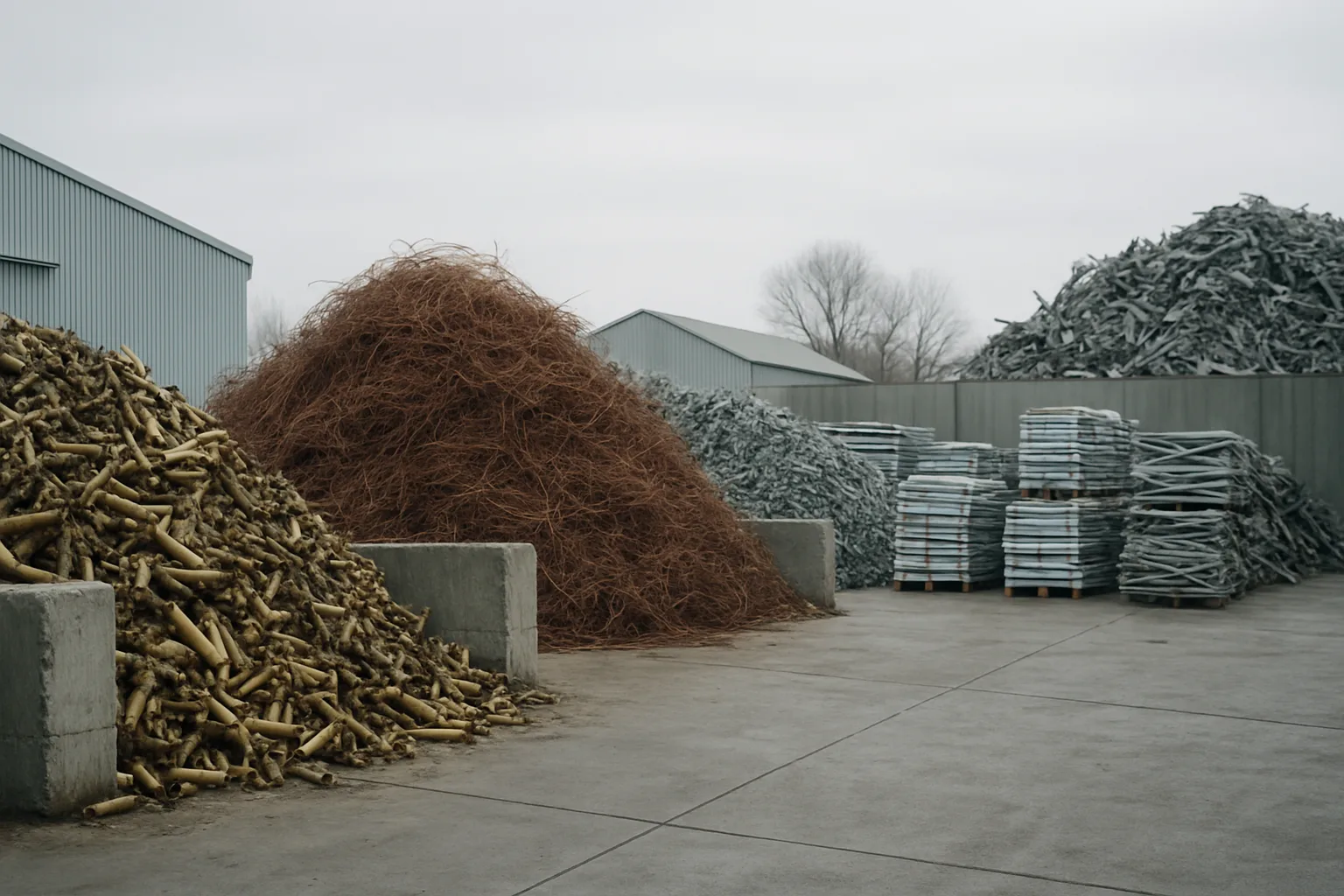
Brass and Bronze Scrap in Canada: What It's Worth and Where to Find It
Most scrap sellers walk right past their most valuable non-ferrous material without knowing it. Brass and bronze consistently rank among the highest-paying scrap metals by weight — yet they often get tossed into mixed bins or sold cheap because sellers can't identify them on the spot. If you're chasing the copper scrap price today, brass and bronze deserve just as much of your attention.
This guide breaks down what brass and bronze actually are, where to source them, what they're worth in Canada right now, and how platforms like SMASH help you stop leaving money on the table when you sell.
What Are Brass and Bronze — and Why Do They Pay Well?
Brass is an alloy of copper and zinc. Bronze is an alloy of copper and tin. Both materials carry significant value precisely because of their copper content — typically ranging from 60% to 90% depending on the grade and application. That copper base is what drives their price on the scrap market.
Copper is one of the most actively traded industrial metals in the world. Electrical conductivity, corrosion resistance, and recyclability make it irreplaceable in manufacturing. When you recycle brass or bronze, you're essentially recovering high-grade copper in a form that's already been alloyed and processed. Smelters pay for that. Buyers compete for it.
Here's why the distinction between grades matters:
- Yellow brass — faucets, valves, decorative fixtures. Commonly found in demolition and plumbing.
- Red brass — higher copper content, found in older plumbing and fire suppression systems. Commands a premium over yellow brass.
- Bronze — bearings, bushings, marine hardware, sculptures, electrical contacts. Often overlooked but trades close to red brass in quality grades.
- Mixed brass — lower price tier, typically includes attached iron, paint, or non-metallic components.
Knowing what you have before you pull up to the yard changes the conversation entirely. A clean load of red brass trades very differently than a bin of mixed yellow with fittings still attached.
Where to Source Brass and Bronze Scrap
Finding brass and bronze isn't random — certain industries and job sites generate it consistently. If you're a recycler, demolition contractor, or small yard operator, these are your best feeds.
Plumbing and HVAC Contractors
Residential and commercial plumbing tear-outs produce yellow and red brass valves, fittings, and pipe connectors in volume. HVAC changeouts generate brass fittings from refrigerant lines and pressure gauges. Build relationships with contractors and you'll see regular pickups rather than one-off loads.
Industrial and Manufacturing Facilities
Machine shops generate brass and bronze offcuts, turnings, and rejected parts. Bearing replacements in heavy equipment produce bronze bushings that can be surprisingly heavy per piece. Food processing plants, breweries, and paper mills run a lot of bronze-fitted valves and pumps — all of which eventually come out for scrap.
Demolition and Renovation Projects
Older buildings — particularly pre-1980s commercial and institutional structures — are full of brass hardware, door fittings, lighting fixtures, and plumbing. In Quebec, cities like Sherbrooke still have a significant inventory of mid-century commercial buildings that generate solid non-ferrous volumes when they're gutted or torn down. Pay attention to municipal permit notices for demolition — that's your lead list.
Electrical and Utility Work
Transformers, switchgear, and industrial electrical panels contain brass terminals, bushings, and contact blocks. Electrical contractors doing panel upgrades or infrastructure work are a consistent source. The copper content here is high, and the material is usually clean.
Marine and Agricultural Equipment
Boat yards, marinas, and farm equipment dealers generate bronze propellers, through-hulls, and hydraulic fittings. This material tends to be clean and heavy. In Quebec's Eastern Townships region around Sherbrooke, agricultural equipment suppliers can be an underutilized source for yards actively prospecting non-ferrous.
Brass and Bronze Scrap Prices Today — What's Driving the Market in 2026
Brass and bronze pricing follows copper's lead. As of August 2026, copper markets are being shaped by ongoing North American manufacturing investment, grid infrastructure buildout, and persistent demand from the electric vehicle sector. When copper prices climb, brass and bronze move with them — and that relationship has held consistently through 2026's active commodity cycle.
Disclaimer: Scrap metal prices fluctuate daily based on commodity markets, regional demand, and load condition. Always check current Canadian scrap metal prices before selling to ensure you're working with accurate market data.
A few factors that affect what you'll actually receive at the yard or through an auction platform:
- Grade and cleanliness — clean, sorted brass always pays more than mixed or attached material.
- Volume — larger loads attract more buyer interest and typically stronger bids.
- Market timing — selling into a rising copper market matters. Holding a clean load for even a few days during an upswing can make a meaningful difference per pound.
- Buyer competition — one buyer quoting your load has no incentive to sharpen their number. Multiple vetted buyers bidding does.
For sellers in Quebec, especially those working out of Sherbrooke or surrounding municipalities, regional buyer access has historically been a constraint. That's changed with auction-based platforms that bring national buyers to your load rather than requiring you to chase them.
If you want a baseline before you sell, find the best Canadian scrap metal prices today and compare what local yards are posting against what competitive bids look like through an auction model.
How SMASH Helps You Get Better Value for Brass and Bronze
The old way of selling a non-ferrous load looks like this: call your regular buyer, get a price, take it or leave it. If you don't know what the market is doing, you take it. That single-buyer dynamic is exactly where value bleeds out.
SMASH runs a vetted buyer auction model built for exactly this kind of material. When you list a load of brass or bronze through the platform, you're not calling one buyer — you're putting documented inventory in front of multiple qualified buyers who are actively competing. More buyers means better price discovery. That's not a marketing line; it's how competitive markets work.
The platform's inventory tools let you document your load properly — photos, weights, grade classifications, and serial tracking where applicable. A well-documented load of clean red brass tells buyers exactly what they're bidding on. That confidence translates into stronger bids. Buyers don't discount what they can verify.
For yards and collectors in Quebec running Sherbrooke scrap metal services, SMASH removes the geographic disadvantage of being outside a major metro hub. Your load reaches buyers you'd never reach with a phone call.
No subscription fees. SMASH only earns when the seller earns. If you're serious about getting real value for a clean brass or bronze load, it's worth understanding how the model works. Selling or buying? Reach out directly to jeff@smashscrap.com.
Sorting and Preparing Brass and Bronze for Maximum Value
Preparation is where most sellers either earn or lose money before the transaction even starts. Clean, sorted loads command top-tier pricing. Mixed, attached, or contaminated loads get downgraded fast — and buyers price in the sorting labour they'll need to do on their end.
Here's how to maximize what you walk away with:
- Strip fittings and hardware — remove iron bolts, steel sleeves, rubber gaskets, and plastic components. Clean brass is worth significantly more than brass-with-attachments.
- Separate by grade — keep red brass, yellow brass, and bronze in separate containers. Don't let the higher-value material drag down to mixed-brass pricing.
- Photograph the load — documentation supports your price claim and builds buyer confidence, especially when selling through an auction platform.
- Weigh accurately before you go — know your load weight going in. Surprises on the yard scale aren't usually in your favour.
- Remove liquids and debris — brass valves with trapped fluid or dirt inside get docked. Drain and clean where practical.
This level of preparation isn't complicated — it just requires intention. Most sellers who do it once never go back to tossing mixed loads in a bin. The price difference per pound makes the sorting time worthwhile, especially on larger volumes.
For more on how to approach non-ferrous loads strategically, read Canadian scrap metal pricing guides that cover sorting, grading, and timing your sales effectively.
Regional Scrap Metal Market Context: Quebec in 2026
Quebec's scrap metal market in 2026 reflects the broader North American non-ferrous demand story, with some regional specifics worth knowing. The province's ongoing infrastructure investment — in transit, utilities, and institutional construction — continues to generate demolition and renovation scrap in meaningful volume. For sellers with access to commercial tear-outs or industrial relationships, the pipeline for brass and bronze is active.
Yard density in Quebec varies significantly by region. Montreal and Quebec City have high buyer concentration and competitive local pricing. Smaller centres have fewer options, which is exactly why understanding how to get competitive bids for your scrap in Canada through a broader auction network matters more for sellers outside major markets.
If you're working from the Eastern Townships or surrounding areas and want to make sure your brass and bronze loads are priced against real market competition — not just what one regional yard feels like offering today — SMASH gives you the reach. The best scrap metal prices aren't always local. Sometimes the best buyer is in another province, and they'll pay freight to get clean non-ferrous in volume.
Stay competitive. Know your grades. Document your loads. And when you're ready to sell, make sure more than one buyer knows about it. If you want to start with current market data, find the best Canadian scrap metal prices today at best-scrap-metal-prices.ca.
Frequently Asked Questions
Q: What is the copper scrap price today in Canada?
Copper scrap prices fluctuate daily based on commodity exchange movements, regional demand, and material grade. The best way to get an accurate current number is to check a live pricing resource like best-scrap-metal-prices.ca rather than relying on a quote from last week. Prices in 2026 have reflected active infrastructure and EV-driven copper demand across North America.
Q: How much is brass scrap worth compared to copper?
Brass typically trades at a discount to bare bright copper because of its zinc content — it's an alloy, not pure copper. However, high-grade red brass with elevated copper content can come close to certain copper grades. Clean, sorted brass always pays more than mixed or contaminated loads, so preparation makes a real difference.
Q: Where can I recycle brass and bronze scrap in Sherbrooke, Quebec?
Sherbrooke has local scrap yard options for non-ferrous materials, but yard pricing varies. For competitive pricing on larger loads, sellers in Sherbrooke can also access national buyers through auction platforms like SMASH, which can surface stronger bids than a single local quote. Check local listings and compare before you commit to a sale.
Q: What's the difference between yellow brass and red brass for scrap purposes?
Red brass has a higher copper content (typically 85% or more) compared to yellow brass (around 60–70% copper). That higher copper percentage means red brass commands a premium price per pound at the scrap yard. Always identify and separate your grades before selling — mixing them means everything gets priced at the lower rate.
Q: Does SMASH handle brass and bronze loads, or just steel and iron?
SMASH handles non-ferrous loads including brass and bronze, not just ferrous scrap. The platform connects sellers with vetted buyers across Canada who are actively bidding on quality non-ferrous material. If you have a clean, documented load of brass or bronze, it's exactly the kind of inventory the auction model was built for. Contact jeff@smashscrap.com to discuss your load.
Brass and bronze are worth pursuing — the copper content, buyer demand, and price per pound make them some of the most rewarding non-ferrous materials to source and sell correctly. Do the work upfront: sort your grades, document your loads, and make sure more than one buyer sees what you have. Start by staying current on market rates at best-scrap-metal-prices.ca so you're never selling blind.
Follow SMASH on LinkedIn for ongoing scrap metal market updates, pricing trends, and industry insights across Canada.