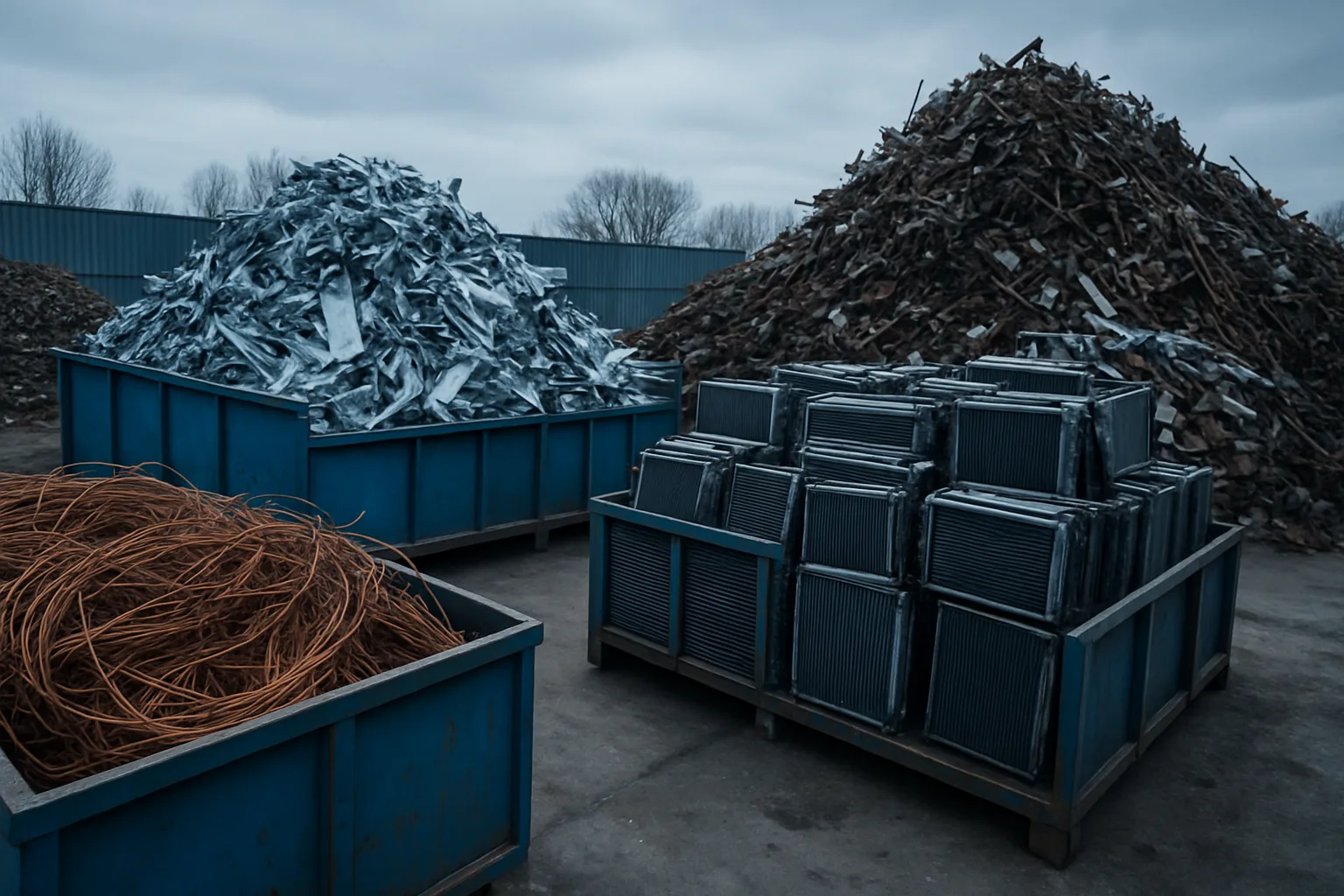
Most people don't realize that a single car radiator can contain enough copper to make the recycling process genuinely worthwhile — especially when copper prices are climbing. If you've got old auto parts sitting in a garage, a yard, or a work truck in Fort McMurray, you're likely sitting on recoverable metal value. The question is whether you know what you have, and whether you're getting paid fairly for it.
This guide breaks down exactly how auto parts like radiators and alternators move through the recycling process — from your hands to a smelter — and what that means for scrap metal recycling Fort McMurray sellers who want to maximize what they walk away with.
What's Actually Inside a Radiator or Alternator
Before you can understand how these parts get recycled, you need to understand what's in them. Auto parts aren't single-material — they're composites. That complexity is exactly why the recycling process involves multiple steps.
Radiators are typically made from one of two material combinations:
- Copper and brass radiators — older vehicles (generally pre-2000s) used copper fins brazed onto brass tanks. These are among the most valuable scrap radiators you can bring in. Copper commands strong pricing, and brass follows closely.
- Aluminum radiators — most vehicles built after 2000 use aluminum cores with plastic end tanks. The aluminum is recyclable; the plastic tanks are separated out and typically go to waste or lower-grade processing.
Alternators contain a mix of materials that processors have to separate:
- Copper windings (the stator coil) — high value
- Aluminum housing — moderate value
- Steel rotor and other ferrous components — lower value but still recoverable
- Bearings, magnets, and plastic components — often separated out or discarded
Knowing this breakdown matters because it affects how yards pay you. Some yards buy alternators whole (as "sealed units") at a lower rate that accounts for their processing cost. Others that process in-house may pay closer to the actual copper content. Understanding what you're selling lets you ask better questions — and get better answers.
How the Recycling Process Works — From Part to Metal
Once auto parts arrive at a scrap yard in Fort McMurray or Alberta, they go through a sequence of steps designed to separate valuable materials from everything else. This isn't a simple crush-and-melt operation — at least not for non-ferrous parts like radiators and alternators.
Step 1: Sorting and grading. Yard operators assess incoming material and sort by metal type. A copper-brass radiator gets graded differently from an aluminum radiator. An alternator with visible copper windings may be separated from intact sealed units. This grading determines what you get paid, so the condition and cleanliness of your parts matters.
Step 2: Preparation and stripping. For higher-value recovery, yards or downstream processors strip parts to isolate pure materials. Radiators may have their steel or iron attachments removed. Alternators may be cracked open to pull the copper stator separately. This prep work increases the value of what gets sold downstream.
Step 3: Shredding or baling. Prepared material gets shredded (for mixed scrap going to a shredder facility) or baled for transport. Non-ferrous materials like copper and aluminum are kept separate from ferrous streams.
Step 4: Secondary processing and smelting. Material moves to a refinery or smelter, where it's melted down and purified. Copper gets refined into wire bar or cathode. Aluminum goes to ingot. These commodities then re-enter manufacturing supply chains — potentially showing up in new vehicles, electrical systems, or construction.
If you want to find the best Canadian scrap metal prices today, understanding where your parts sit in this chain helps you gauge what a fair offer looks like.
Copper Scrap Prices in Fort McMurray — What Drives the Numbers
Copper is the metal that gets talked about most when it comes to auto parts recycling — and for good reason. Radiators and alternator windings both carry copper content, and copper pricing has a direct impact on what yards pay you at the gate.
What drives copper pricing in 2026? Several factors:
- Global demand from electrification. EVs use significantly more copper than combustion vehicles. Grid infrastructure expansion adds further demand. This sustained demand has kept copper pricing elevated compared to historical averages.
- Supply constraints. Major copper-producing regions continue to face output challenges, which supports pricing at the commodity level.
- Grade and cleanliness. The copper you bring to a Fort McMurray yard gets priced based on its grade. #1 bare bright copper (clean wire, no insulation) commands the top rate. Radiator copper is typically graded lower because of mixed materials and solder content. Know your grade before you walk in.
- Local market conditions. Fort McMurray sits in a resource-heavy region, which means yards there often process industrial volumes alongside consumer scrap. That can affect what a yard prioritizes and what rates they advertise on any given week.
Disclaimer: Scrap metal prices fluctuate daily based on commodity markets, yard conditions, and regional demand. Always check current Canadian scrap metal prices before bringing material in — rates from a week ago may not reflect what you'll be offered today.
If you're selling a meaningful volume — say, a pallet of radiators or a load of pulled alternators — a single phone call to one local yard isn't enough. That's where platforms like SMASH Recycling — where verified buyers bid on your metal change the equation. Instead of accepting the first number offered, you get competitive bids from vetted buyers who actually want your material.
How to Prepare Auto Parts for Scrap to Get the Best Metal Prices in Alberta
Preparation isn't just about convenience — it directly affects what you get paid. Yards price for their own processing costs. If you hand them a radiator that still has steel brackets bolted on and is full of old coolant, they're pricing in the cleanup. Do the work yourself, and more of the value stays with you.
Here's how to prep common auto parts before bringing them to a yard:
- Drain fluids first. Coolant in a radiator, oil in a power steering pump — yards may refuse or discount parts that aren't drained. This also keeps you compliant with environmental handling rules in Alberta.
- Remove steel attachments. Steel mounts, brackets, and clamps reduce the grade of your non-ferrous material. Strip them off where you safely can.
- Separate copper-brass from aluminum. Don't mix radiator types in one bin. Yards will price the entire lot at the lower grade if they're combined.
- Don't strip alternators unless you know what you're doing. Opening an alternator and pulling copper windings yourself can increase your payout — but only if you separate cleanly and don't damage or contaminate the copper. If you're not sure, sell as whole sealed units and let the yard handle it.
- Document what you have. If you're moving volume, photograph your loads. Platforms like SMASH support photo documentation and inventory tracking, which gives buyers more confidence and can support better bids.
For more guidance on maximizing your payout, read Canadian scrap metal pricing guides that cover grades, weights, and market timing in detail.
Sell Scrap Metal Online — Why More Fort McMurray Sellers Are Going Digital
Hauling a load of parts across Fort McMurray to get a single verbal quote from one yard is the old way. It works — but it leaves money on the table if that yard is the only number you've checked.
The shift toward online platforms for selling scrap metal online is real, and it makes particular sense in a city like Fort McMurray where distance matters and your time has a dollar value attached to it. Why drive to three different yards when you can get competitive bids on your load before you leave your shop?
SMASH is built for exactly this. You document your load — what it is, how much, photos, weights — and vetted buyers compete for it. No subscription fees. No guessing what the market is paying. Competition reveals the market, and that tends to work in the seller's favor.
This model works whether you're selling a few alternators out of a side business or managing a recycling operation that processes vehicle parts regularly. The best scrap metal prices in Alberta aren't found by luck — they're found by creating competition among buyers who want your material.
Why Recycling Auto Parts Is Worth the Effort
Beyond the dollar value, there's a practical reason the auto parts recycling chain exists and keeps growing: mining virgin copper and aluminum is energy-intensive and environmentally costly. Recycling uses a fraction of the energy. For a region like Alberta, where industrial operations generate significant auto part waste — fleet vehicles, heavy equipment, oil sands machinery — the recycling stream handles real volume.
That volume also means there's consistent buyer demand for quality scrap material, particularly copper-bearing parts. Radiators and alternators from heavy equipment contain more copper by weight than passenger vehicle equivalents. If you're dealing with industrial-scale parts from operations around Fort McMurray, that's worth noting when you approach buyers.
The recycling chain works better when sellers show up prepared, priced fairly, and connected to buyers who actually want the material. That's the gap platforms like SMASH close — linking volume sellers in places like Fort McMurray directly to buyers across the country who are actively bidding.
If you're ready to stop guessing what your auto parts are worth and start finding out what the market will actually pay, find the best Canadian scrap metal prices today and take the next step from there.
Frequently Asked Questions
Q: What types of auto parts are worth scrapping in Fort McMurray?
Radiators (especially copper-brass), alternators, starters, copper wiring harnesses, and aluminum wheels are among the highest-value auto parts for scrap. Ferrous parts like rotors and calipers have lower value but are still recyclable. The more copper content, the more valuable the part tends to be.
Q: How do I know if my radiator is copper-brass or aluminum?
Copper-brass radiators have a yellowish-gold tone to the fins and tanks, often with visible solder seams. Aluminum radiators have a silver-grey core with plastic end tanks — you'll see the seam where plastic meets metal. If you're unsure, bring both types separately and ask the yard to grade them individually.
Q: Can I sell scrap metal online from Fort McMurray?
Yes. Platforms like SMASH allow you to list your loads — including auto parts — and receive bids from verified buyers across Canada. This is particularly useful if you're moving volume and want to compare offers without driving to multiple yards. You document your load, buyers compete, and you decide who gets it.
Q: How often do scrap metal prices change in Alberta?
Prices can shift daily based on commodity markets. Copper, aluminum, and steel all trade on global exchanges, and local yard rates follow those movements. It's worth checking current rates before any significant haul — what a yard posted last week may not be what they're paying today.
Q: Do I need to drain coolant from a radiator before scrapping it?
Yes, and in Alberta this is both a practical and regulatory consideration. Coolant contains ethylene glycol, which is a controlled substance for disposal. Most yards require drained radiators. Bringing in a full or leaking radiator can result in a refused load or a discount applied to cover the yard's disposal cost.
If you're moving auto parts scrap and want to know what the market is actually paying, start by getting the numbers right. Get the best Canadian scrap metal prices — check rates at best-scrap-metal-prices.ca and go into your next transaction knowing what your material is worth.
Stay sharp on market moves — follow SMASH on LinkedIn for scrap metal market insights and industry updates delivered straight to your feed.