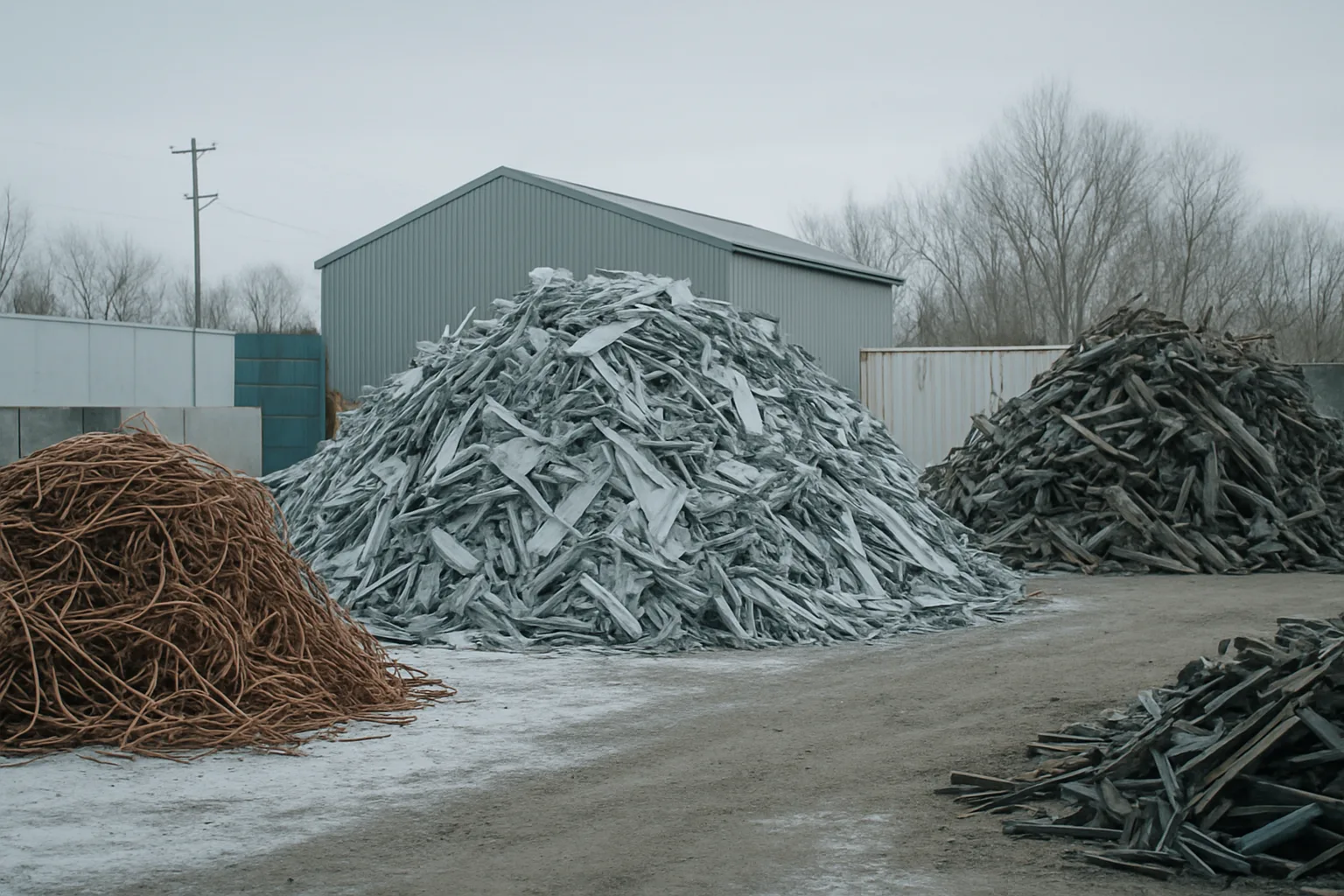
Ferrous vs. Non-Ferrous Scrap Metal: What's the Difference and Why Does It Affect Your Payout?
Most sellers show up at the yard with a mixed load and take whatever they're offered. That's leaving money on the table. Understanding the difference between ferrous and non-ferrous scrap metals — and knowing what you're actually holding — is the fastest way to get a better return on every load you sell.
Whether you're clearing out a shop in Medicine Hat, sorting a demolition haul across Alberta, or selling from a residential cleanout, the metal type determines your price. And right now, with the aluminum scrap price today sitting well above the per-pound rate for most ferrous material, knowing how to sort your load isn't optional — it's money.
This breakdown covers exactly what separates ferrous from non-ferrous metals, which materials fall into each category, what drives their pricing, and how platforms like the SMASH Recycling auction platform help sellers get competitive bids instead of a single lowball quote.
The Simple Test That Separates Ferrous from Non-Ferrous
Here's the fastest way to know what you've got: grab a magnet. If it sticks, you're holding a ferrous metal. If it doesn't, you're in non-ferrous territory. That one test affects how your load gets graded, weighed, and priced — every single time.
Ferrous metals contain iron as their base element. That includes:
- Steel — structural steel, rebar, angle iron, steel plate
- Cast iron — engine blocks, radiators, old wood stove bodies
- Wrought iron — older fencing, gates, decorative ironwork
- Stainless steel — a grey area; some grades are magnetic, some aren't, but it's technically ferrous
Non-ferrous metals contain no significant iron content. They don't rust the same way, they conduct electricity better, and they're worth significantly more per pound. Common non-ferrous materials include:
- Aluminum — cans, extrusions, cast, sheet, wheels
- Copper — bare bright wire, #1 and #2 copper, tubing, bus bar
- Brass — valves, fittings, shells, yellow brass plumbing
- Lead — batteries, wheel weights, pipe
- Zinc — die cast parts, galvanized shavings
- Nickel and titanium — specialty industrial scrap
The magnet test isn't perfect — some non-ferrous alloys can fool you — but it's the right starting point every time you sort a load.
Why Non-Ferrous Metals Pay More: The Pricing Reality
Ferrous scrap moves in volume. Yards buy it by the ton, price it by the ton, and the margins are razor thin. Steel and iron are abundant, recyclable in bulk, and priced accordingly. You're not getting wealthy selling a pile of rebar — but it's worth something, and it adds up at scale.
Non-ferrous is a different conversation entirely. Copper, aluminum, and brass are priced by the pound, not the ton, and even small quantities carry real value. Consider the spread: clean steel scrap might fetch a fraction of a cent per pound, while #1 bare bright copper can be worth 50 to 100 times that. That gap is why sorting your load before you hit the yard matters.
The aluminum scrap price today fluctuates based on London Metal Exchange (LME) benchmarks, local yard demand, alloy grade, and contamination level. Aluminum wheels command a higher price than mixed cast. Clean extrusion beats painted sheet. Grade matters — and most sellers don't know the grades well enough to push back on a low offer.
For sellers looking to find the best Canadian scrap metal prices today, understanding these grades before you walk in the door is the difference between accepting a low quote and negotiating with knowledge.
Best Scrap Metal Prices in Alberta: What Local Sellers Need to Know
Pricing isn't uniform across the country. Yards in Medicine Hat don't always pay the same rate as yards in Calgary, Edmonton, or Lethbridge. Regional demand, shipping costs to end processors, and local competition all shift what you'll get offered on any given day. That's the reality of the scrap market in Alberta — and it's why getting a single quote from a single buyer is a gamble.
For non-ferrous material especially, the spread between the highest and lowest offer in a region can be significant. If you're sitting on a load of aluminum extrusion, mixed copper, or a batch of brass fittings, calling one yard and accepting their number means you might be walking away from real dollars.
Sellers in Medicine Hat and across Alberta are increasingly using online platforms to expose their loads to multiple buyers at once. That's not a new concept in other industries — it's just new to scrap. Competitive bidding creates price discovery. More buyers quoting on the same load means the market sets your price, not one buyer's margin target.
If you want to understand what's driving rates right now, read Canadian scrap metal pricing guides that break down LME movements, regional differentials, and grade-by-grade breakdowns for aluminum, copper, and steel.
Ferrous vs. Non-Ferrous: A Side-by-Side Comparison for Sellers
Here's a practical breakdown to keep on hand when you're sorting a load or deciding how to list material:
Factor Ferrous Non-Ferrous Magnet test Sticks Doesn't stick Common examples Steel, cast iron, rebar Copper, aluminum, brass Priced by Ton Pound Price volatility Moderate High LME-linked pricing Partially Directly Rust risk Yes — can reduce value Minimal to none Grade sensitivity Lower Very high Value per pound Low Significantly higherThe takeaway: don't mix your loads. Yards will downgrade a mixed load to its lowest-value component. A bin full of clean aluminum extrusion that gets contaminated with a few pieces of steel drops in value immediately. Sort before you sell — always.
How SMASH Helps You Sell Scrap Metal Online and Get a Better Price
The traditional scrap selling process — call a yard, accept their number, haul your load — works fine if you have one buyer and zero alternatives. Most sellers do. That's the problem.
SMASH changes the dynamic. When you list a load on the SMASH Recycling auction platform, vetted buyers across North America compete for your material. That competition is what drives price discovery. Instead of one yard deciding what your aluminum or copper is worth today, multiple buyers submit bids — and the market sets the price.
For sellers looking to sell scrap metal online, the platform handles the documentation side too. Photo documentation, inventory tools, serial tracking for regulated material — it's all built in. That transparency gives buyers more confidence, which typically means stronger bids. No subscription fees. SMASH earns when the seller earns.
Whether you're running a recycling yard in Medicine Hat or selling a one-time load of non-ferrous material from a job site in Alberta, the process is straightforward. List your load, let buyers bid, accept the best offer. That's it.
If you're comparing options and want a baseline before you list, check current Canadian scrap metal prices to understand where the market sits before you negotiate.
Tips for Getting the Best Scrap Metal Prices on Every Load
Whether you're in Medicine Hat, Winnipeg, Ottawa, or anywhere else across Canada, these principles apply to every seller regardless of load size:
- Sort before you sell. Never hand off a mixed load. Separate ferrous from non-ferrous. Then break down non-ferrous by grade — copper by type, aluminum by alloy where possible.
- Know the grade before you call. #1 copper, #2 copper, and insulated wire are three different prices. Aluminum cans and aluminum extrusion are two different prices. Know what you have.
- Don't rely on one quote. Especially for non-ferrous material, the spread between buyers matters. Get multiple offers before you commit to a sale.
- Document your load. Photos, weights, and packing lists give buyers confidence and reduce the chance of downgrading on arrival. SMASH's built-in tools make this step easy.
- Time your sale when you can. The aluminum scrap price today may be different from what it is next week. LME prices move. Watch the market if you have flexibility to hold a load.
- Understand regional differences. The best scrap metal prices in Medicine Hat may differ from what a Winnipeg or Ottawa yard is paying. Online platforms let you access buyers beyond your local market.
Disclaimer: Scrap metal prices fluctuate daily based on commodity markets, regional demand, and grade. Always verify current rates before selling.
The scrap industry rewards sellers who show up prepared. Know your metal, know your grade, and use competition to your advantage. That's the whole game.
Ready to stop guessing and start getting competitive offers on your loads? Get the best Canadian scrap metal prices and explore your selling options at best-scrap-metal-prices.ca — and put your material in front of buyers who are actually competing for it.
Frequently Asked Questions
Q: What is the aluminum scrap price today in Canada?
Aluminum scrap prices in Canada change daily based on LME benchmarks, local yard demand, and the specific alloy or grade you're selling. Clean extrusion, cast aluminum, and UBC (used beverage cans) all carry different rates. Check current prices at best-scrap-metal-prices.ca or request bids through a platform like SMASH to see what buyers are actually willing to pay right now.
Q: What are the best scrap metal prices in Medicine Hat, Alberta?
Medicine Hat sellers access local yard pricing, but local competition can be limited. Non-ferrous material like copper and aluminum often returns better value when exposed to a wider pool of buyers through an online auction platform. Rates vary by grade, volume, and current market conditions in Alberta.
Q: How do I know if my scrap metal is ferrous or non-ferrous?
The easiest method is the magnet test. A magnet sticks to ferrous metals like steel and iron. It won't stick to non-ferrous metals like copper, aluminum, or brass. Note that some stainless steel grades are only weakly magnetic, so when in doubt, ask your yard to help identify the material before pricing it.
Q: Is it worth selling scrap metal online instead of at a local yard?
For ferrous material in small quantities, a local yard is usually the practical choice. For non-ferrous loads — especially copper, aluminum, or mixed specialty metals — selling online through a vetted auction platform like SMASH can expose your material to multiple buyers, which creates competitive bidding and better price discovery than a single local quote.
Q: Does sorting my scrap before selling actually make a difference in price?
Yes — significantly. Mixed loads get priced at the lowest-value component in the bin. A load of clean aluminum contaminated with steel or plastic gets downgraded immediately. Sorting by metal type and grade before you sell is the single most controllable factor in getting a better payout on every load.
Stay sharp on scrap metal market trends and pricing insights — follow SMASH on LinkedIn for regular industry updates, market movements, and practical tips for sellers across Canada.