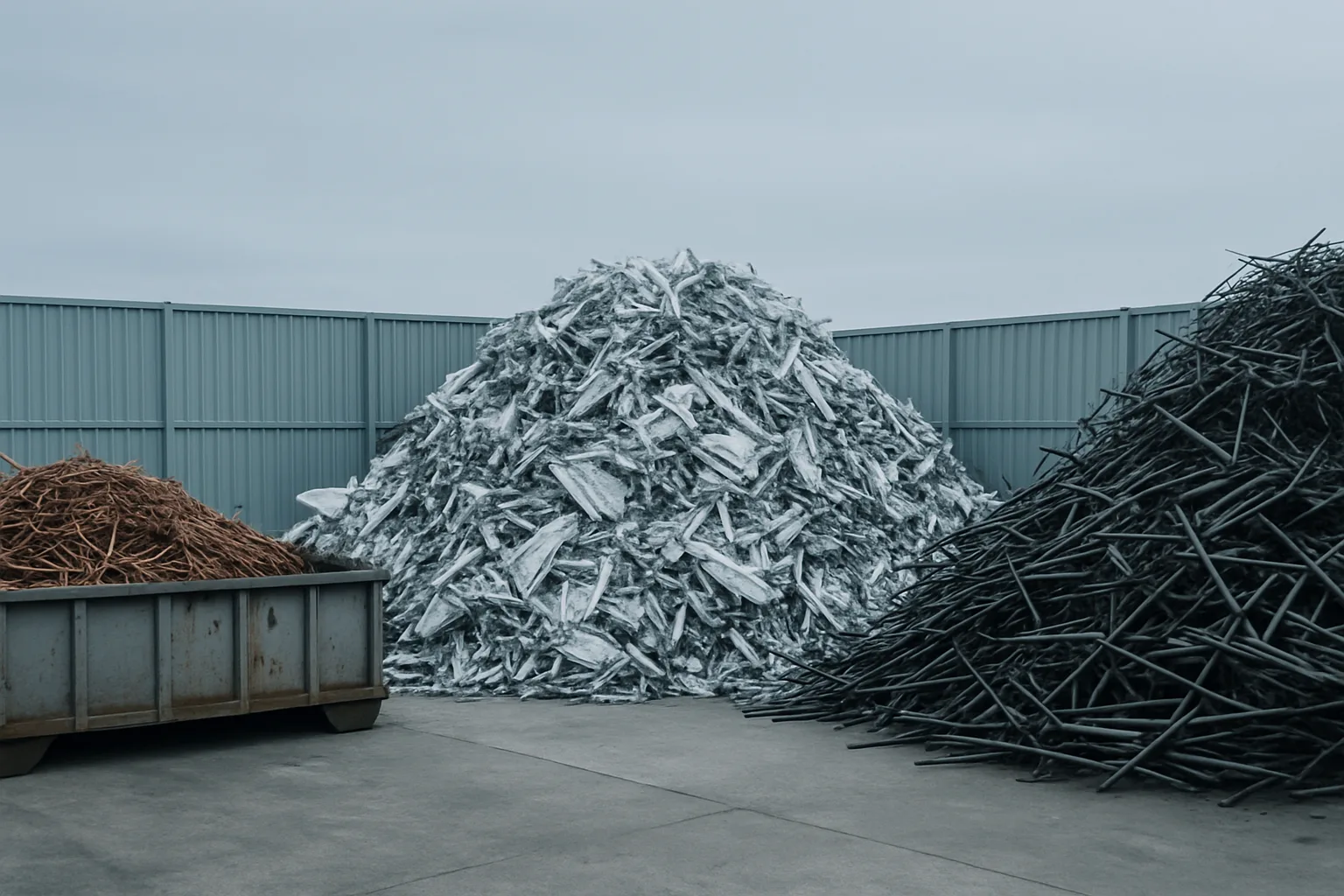
Not All Aluminum Is Worth the Same — Here's How to Tell the Difference
Most sellers leave money on the table before they even make a call. They haul in a mixed load of aluminum, accept whatever the yard offers, and drive home thinking that's just what aluminum pays. It isn't. The grade you're selling determines the price — and knowing the difference between a clean extrusion and a painted cast can mean a significant swing in what lands in your pocket. If you want the best scrap metal prices Saint John has to offer, start with the metal in your hands.
Aluminum is one of the most recycled metals in North America. Mills pay a premium for clean, sorted material because it reduces their processing costs. The more sorting work you do before you sell, the more you shift that value back to yourself. This guide breaks down the main aluminum scrap grades, what buyers look for, and how to position your loads to attract real competition — not just one buyer's take-it-or-leave-it number.
The Main Aluminum Scrap Grades You Need to Know
Aluminum scrap isn't a single commodity. The Institute of Scrap Recycling Industries (ISRI) publishes grade specifications that buyers and yards use across North America. Not every yard uses exact ISRI terminology, but the categories below reflect how buyers actually value material.
Understanding which grade your material falls into gives you leverage. Here's a working breakdown:
- Bare Bright / Clean Aluminum Wire (Taint/Tabor): High-purity aluminum wire, uncoated, no insulation. Commands top pricing. Rarely confused, but often mixed in with lower grades accidentally.
- Aluminum Extrusions (Tense): Window frames, door frames, structural sections. Clean extrusions with no paint or attachments pay well. Painted or anodized material drops a grade.
- Cast Aluminum (Twitch): Engine blocks, transmission housings, industrial castings. Heavier, bulkier material. Buyers discount for iron attachments or heavy contamination.
- Aluminum Cans (Talc / UBC): Used beverage containers. Relatively low value per pound but consistent demand. Yields improve significantly when baled and clean.
- Sheet Aluminum (Tabloid / Taint): Roofing sheets, siding, automotive body panels. Value drops with paint, coatings, or laminated backing.
- Aluminum Radiators: Auto and HVAC radiators. Often sold as a combined unit with copper fins — graded separately from pure aluminum. Clean aluminum-only radiators without plastic tanks pay better.
- Irony Aluminum / Mixed Aluminum: Anything with steel attachments, inserts, or significant contamination. Lowest tier. Buyers factor in the cost to process out the iron before pricing it.
The jump between clean extrusions and irony aluminum isn't small. On a decent-sized load, sorting before you sell is one of the highest-value tasks you can do in your yard. A few hours of labour can move material from the bottom tier to the top.
What Buyers Actually Dock You For — And How to Avoid It
Every deduction a buyer takes at the scale is a deduction you could have prevented at the source. Knowing the common docking triggers helps you prep your loads smarter and show up with material buyers want to compete for.
Here's what drives prices down:
- Paint and coatings: Painted aluminum requires additional processing at the mill. Buyers pay less to offset that cost. Stripping or segregating painted material is worth it at volume.
- Steel inserts and bolts: Iron contamination is the number one reason aluminum loads get reclassified. Remove screws, bolts, and steel brackets before you haul.
- Moisture and dirt: Wet material adds weight you won't get paid for. Some buyers will tare it out; others won't. Clean, dry loads negotiate better.
- Mixed grades: A load called "mixed aluminum" automatically gets priced at the lowest-value material in the mix. Sort before you sell — every time.
- Plastic attachments: Window frames with vinyl still attached, radiators with plastic tanks. Strip what you can. It changes the grade.
- Incomplete documentation: On larger commercial loads, buyers expect photos, weights, and descriptions. Walk in blind and you're at a disadvantage.
Yards and buyers that operate on a scrap metal inventory management system — where loads are documented with photos and specs before they go to market — consistently attract better offers. When a buyer can see exactly what they're bidding on, they bid with more confidence. That confidence shows up in your price.
How to Get Top Dollar for Aluminum Scrap in Saint John
Getting the best price for aluminum in Saint John, New Brunswick isn't just about sorting your loads correctly — though that matters enormously. It's also about how you sell. The traditional model is one call, one offer, take it or leave it. That model works in the buyer's favour, not yours.
Real price discovery happens when multiple vetted buyers see your load at the same time and compete for it. That's exactly how a B2B scrap metal marketplace like SMASH works. Instead of calling one contact and hoping the number is fair, your documented load goes to verified buyers who bid against each other. More competition means better price discovery. It's not complicated — it's just how markets work when they're actually competitive.
If you're looking to find the best Canadian scrap metal prices today, the starting point is knowing your grade. The second step is getting your material in front of more than one buyer.
For sellers operating in or around Saint John, connecting with Saint John scrap metal services that understand local market conditions gives you a regional advantage — especially for non-ferrous loads where transportation costs factor into what distant buyers are willing to offer.
Documentation: The Step Most Sellers Skip (And Why It Costs Them)
If you're selling any meaningful volume of aluminum, documentation isn't optional — it's leverage. A buyer looking at a well-photographed, accurately described load of clean extrusions will price it differently than a buyer guessing at what "aluminum misc" actually contains.
Smart documentation includes:
- Clear photos of the material — top, side, and close-up of representative pieces
- Accurate weight estimates or confirmed scale tickets
- Grade description using common terminology (clean cast, painted extrusion, UBC, etc.)
- Note of any attachments or mixed materials present
- Bill of lading (BOL) or packing list for commercial shipments
Platforms like SMASH Recycling — where verified buyers bid on your metal build this documentation process into the selling workflow. Serial tracking, photo uploads, inventory categorization — it's built in, not bolted on. Buyers trust documented loads. Trust drives competition. Competition drives price.
New Brunswick yards that have moved to documented selling report fewer disputes at settlement and less friction with buyers overall. The paperwork feels like overhead until you realize it's actually a pricing tool.
Timing Your Aluminum Sales Around Market Conditions
Aluminum prices move. They respond to LME (London Metal Exchange) fluctuations, energy prices, tariff shifts, and regional demand. In 2026, North American aluminum markets have been responding to ongoing supply chain adjustments and shifting mill capacity — which means prices can swing meaningfully over a matter of weeks.
That doesn't mean you should sit on inventory forever waiting for the perfect day. Holding costs are real. But it does mean you should:
- Track market trends weekly, not just when you're ready to sell
- Know your break-even point on storage and transportation before you hold a load
- Understand that regional pricing in New Brunswick may differ from Ontario or Alberta — proximity to mills and export routes matters
- Use a platform that gives you real-time buyer feedback, not a single static quote
To stay current on what aluminum is actually trading for in Canada, read Canadian scrap metal pricing guides that reflect current market conditions — not last quarter's numbers. And when you're ready to move a load, check current Canadian scrap metal prices before you accept any offer.
Sell Smarter — Not Just Faster
The sellers getting the best returns on aluminum aren't necessarily the ones with the biggest loads. They're the ones who sort consistently, document well, and sell into competitive markets. Those three habits, stacked together, change the economics of what you do.
If you're selling aluminum scrap in or near Saint John and still relying on a single buyer relationship, you're pricing your work below its market value. A B2B scrap metal marketplace changes that dynamic. SMASH connects sellers with vetted buyers across North America — no subscription fees, no guessing. SMASH only wins when you do.
Whether you're running a recycling operation, clearing out a commercial demolition, or accumulating non-ferrous from regular runs in the Saint John area, the process is the same: grade it, document it, sell it competitively. That's how you get top dollar. Not luck — structure.
Get the best Canadian scrap metal prices — check rates at best-scrap-metal-prices.ca and see what your aluminum loads are actually worth in today's market.
Disclaimer: Aluminum scrap prices fluctuate based on market conditions, grade, volume, and regional demand. Always verify current rates before finalizing any sale.
Frequently Asked Questions
Q: What aluminum grade pays the most at scrap yards in Saint John?
Clean, uncoated aluminum extrusions and bare aluminum wire consistently command the highest prices. The key word is "clean" — no paint, no steel attachments, no plastic. Sorting before you sell moves your material into the top pricing tier.
Q: How do I find the best scrap metal prices in Saint John without calling every yard?
Use a competitive marketplace like SMASH, where vetted buyers bid on your documented load. Instead of calling one yard at a time and accepting whatever they quote, you get real market competition. It's faster and typically results in better price discovery than the single-call approach.
Q: Does it matter if my aluminum is painted or has attachments?
Yes — significantly. Painted aluminum and material with steel inserts or plastic attachments gets priced at a lower grade. Buyers factor in their processing cost. Stripping attachments and segregating painted from clean aluminum before you sell can meaningfully increase your return per pound.
Q: What's the difference between cast aluminum and extruded aluminum scrap?
Cast aluminum (engine blocks, housings, industrial parts) is denser and typically commands a different price than extruded aluminum (window frames, structural sections). They're often priced differently at the scale — mixing them together means you'll likely get the lower of the two prices for the whole load. Keep them separate.
Q: How do I know if I'm getting a fair price for aluminum scrap in New Brunswick?
Compare against current market benchmarks before accepting any offer. Resources like best-scrap-metal-prices.ca track Canadian aluminum pricing so you have a reference point. If the offer you're getting sits significantly below market, that's a signal to get more bids — which is exactly what a platform like SMASH is built for.
Follow SMASH on LinkedIn for scrap metal market insights, pricing trends, and industry updates: linkedin.com/company/scrap-metal-auction-sales-hub