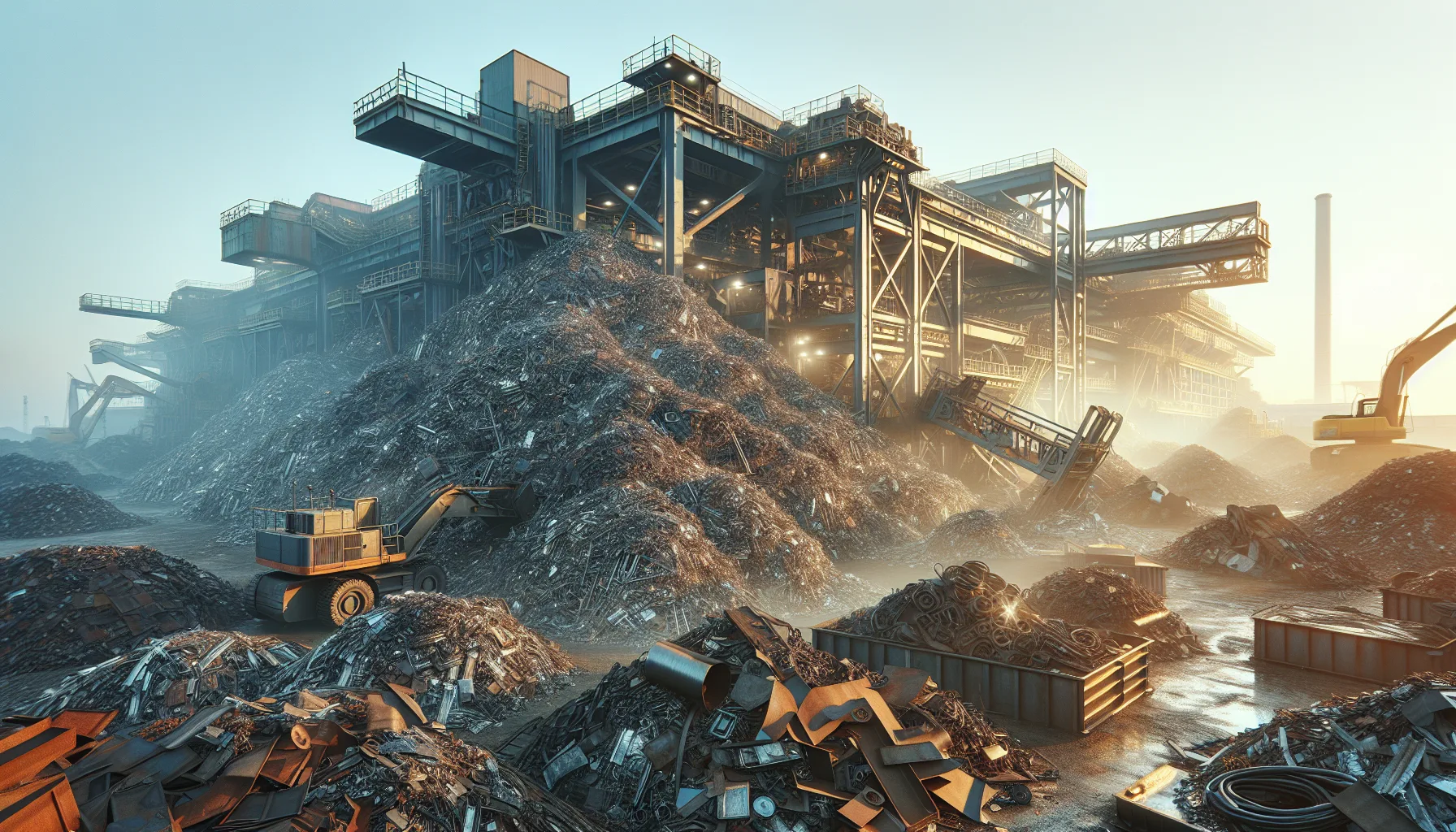
Understanding the difference between steel and iron scrap pricing can significantly impact your recycling profits in Canada's competitive scrap metal market. While many sellers focus on tracking copper scrap price today, savvy recyclers know that steel and iron represent some of the most abundant and consistently traded materials at scrap yards nationwide. The price gap between these two ferrous metals often surprises first-time sellers, but understanding why this difference exists helps you maximize returns on your scrap metal investments.
Steel and iron scrap dominate Canadian recycling facilities by volume, yet their pricing structures vary considerably based on composition, preparation requirements, and market demand. Manitoba's industrial landscape, particularly around Winnipeg, generates substantial volumes of both materials from construction projects, manufacturing operations, and automotive recycling facilities.
Steel vs. Iron: Key Differences That Affect Scrap Pricing
Steel and iron differ fundamentally in their carbon content and processing requirements, directly impacting their scrap values. Pure iron contains less than 0.02% carbon, while steel typically contains 0.2% to 2.1% carbon along with other alloying elements. This composition difference affects melting points, strength characteristics, and recycling processes.
Cast iron contains 2-4% carbon, making it more brittle than steel but easier to cast into complex shapes. Scrap yards classify these materials differently because recycling facilities must separate them for proper reprocessing. Steel's versatility and strength make it more valuable in most applications, reflecting higher scrap prices compared to basic iron grades.
Wrought iron, nearly pure iron with minimal carbon, commands different pricing than cast iron or steel scrap. However, true wrought iron is rare in modern construction, with most "wrought iron" items actually being mild steel. Understanding these distinctions helps sellers identify their materials correctly and negotiate appropriate pricing with scrap metal recycling Winnipeg facilities.
Current Market Factors Influencing Steel and Iron Scrap Prices
Steel scrap typically trades 10-20% higher than comparable iron scrap grades due to its superior properties and broader industrial applications. Construction-grade steel from demolished buildings, automotive steel from vehicles, and industrial steel from manufacturing operations all command premium pricing over cast iron radiators, pipe fittings, or decorative ironwork.
Market demand fluctuates based on construction activity, automotive production, and global steel manufacturing trends. Scrap metal recycling Canada facilities track international pricing because Canadian steel and iron exports significantly influence domestic scrap values. When global construction booms, steel scrap prices typically outpace iron scrap increases by 15-25%.
Transportation costs also affect pricing differently for steel versus iron scrap. Steel's higher density and value-to-weight ratio make it more economical to transport over long distances, while bulky iron items like radiators or decorative fencing may face location-specific pricing adjustments. Winnipeg's central location provides good access to both eastern and western markets, benefiting local sellers with competitive pricing options.
Preparation Requirements and Price Impacts
Clean, prepared steel scrap commands the highest prices, while unprepared iron mixed with other materials receives lower valuations. Steel beams, automotive frames, and appliance steel require minimal preparation beyond cutting to manageable sizes. Cast iron items often need paint removal, separation from non-metallic components, and size reduction before processing.
Heavy melting steel (HMS) grades represent the most valuable category for prepared steel scrap. Light iron and cast iron typically price 20-30% below HMS rates due to processing complexity and lower yield rates. Sellers who invest time in proper preparation and material separation consistently achieve better pricing across both steel and iron categories.
Geographic Pricing Variations Across Canadian Markets
Regional price differences reflect transportation costs, local demand, and facility capacities across Canada's vast geography. Scrap yard near me prices vary significantly between urban centers like Toronto, Vancouver, and Winnipeg versus rural locations with limited recycling infrastructure.
Winnipeg benefits from its central location and strong agricultural economy, which generates steady demand for steel products and recycled materials. Manitoba's mining and energy sectors also consume significant steel tonnage, supporting local scrap prices. However, transportation to major steel mills in Ontario or international markets affects pricing for both steel and iron scrap.
Eastern provinces typically see higher steel scrap prices due to proximity to major steel production facilities, while western regions may experience price premiums during peak construction seasons. Understanding these regional patterns helps sellers time their transactions and choose optimal buyers for maximum returns.
Seasonal Price Patterns and Market Timing
Steel and iron scrap prices follow predictable seasonal patterns tied to construction activity, manufacturing schedules, and global trade flows. Spring construction starts typically boost steel demand more than iron demand, creating wider price spreads during peak building seasons.
Winter months often see reduced scrap collection and processing activity, potentially compressing price differences as facilities work through accumulated inventory. However, steel's consistent industrial demand provides more price stability compared to iron scrap, which depends heavily on specific applications and decorative markets.
Maximizing Your Returns on Steel and Iron Scrap
Successful scrap metal sellers understand that preparation, timing, and market knowledge significantly impact profitability beyond base metal prices. Sorting steel and iron materials properly prevents cross-contamination that reduces overall valuations. Clean automotive steel sells for significantly more than mixed ferrous scrap containing various iron grades.
Platforms like SMASH connect sellers with multiple buyers, allowing price comparisons across different facilities and geographic regions. This marketplace approach helps identify premium pricing opportunities for both steel and iron materials. Scrap metal recycling Scarborough facilities, for example, may offer different pricing structures than Manitoba operations due to local market conditions.
Accurate material identification proves crucial for maximizing returns. Stainless steel commands premium pricing over carbon steel, while high-grade steel alloys from aerospace or automotive applications may qualify for specialty pricing programs. Understanding these distinctions helps sellers capture full market value for their materials.
Building Relationships with Buyers
Establishing relationships with multiple scrap facilities provides pricing leverage and ensures consistent outlets for your materials. Regular sellers often negotiate better rates, receive priority handling, and gain access to specialty programs for high-value materials.
SMASH facilitates these connections by providing transparent pricing information and connecting sellers with verified buyers across Canada. This network approach helps smaller sellers compete effectively with larger commercial operations while maintaining access to competitive pricing structures.
Whether you're dealing with construction steel, automotive components, or decorative iron materials, understanding market dynamics empowers better pricing decisions. Stay informed about current pricing trends and leverage platforms that find the best Canadian scrap metal prices today to maximize your recycling profits. For comprehensive market insights and pricing comparisons, read Canadian scrap metal pricing guides and connect with Canada's B2B scrap recycling marketplace for optimal results. Get the best Canadian scrap metal prices — check rates at best-scrap-metal-prices.ca for current market information.
Frequently Asked Questions
Q: What's the typical price difference between steel and iron scrap in Winnipeg?
Steel scrap typically trades 10-20% higher than comparable iron grades in Winnipeg markets. The exact differential depends on preparation, material grade, and current market conditions affecting both local and international demand.
Q: How does copper scrap price today compare to steel and iron pricing?
Copper scrap commands significantly higher prices per pound than steel or iron, often 8-12 times higher due to copper's superior electrical properties and lower recycling volumes. However, steel and iron provide more consistent availability and volume opportunities for most sellers.
Q: Do Manitoba scrap yards pay different prices for prepared versus unprepared materials?
Yes, prepared materials typically command 15-30% higher pricing than unprepared scrap. Clean steel beams or automotive frames receive premium pricing, while mixed iron requiring separation and processing receives lower valuations reflecting additional handling costs.
Q: What seasonal factors affect steel and iron scrap pricing in Canada?
Spring construction activity typically boosts steel demand more than iron, creating wider price spreads during peak building seasons. Winter months may see compressed pricing differences as facilities process accumulated inventory with reduced collection activity.
Q: How can I identify whether my material is steel or iron for accurate pricing?
Steel is typically harder, less brittle, and magnetic with a cleaner appearance when cut. Cast iron appears more granular when fractured and feels heavier relative to size. When in doubt, experienced scrap yard personnel can help identify materials for proper classification and pricing.
Stay connected with industry developments and market insights by following SMASH on LinkedIn at https://www.linkedin.com/company/scrap-metal-auction-sales-hub for the latest scrap metal market updates.