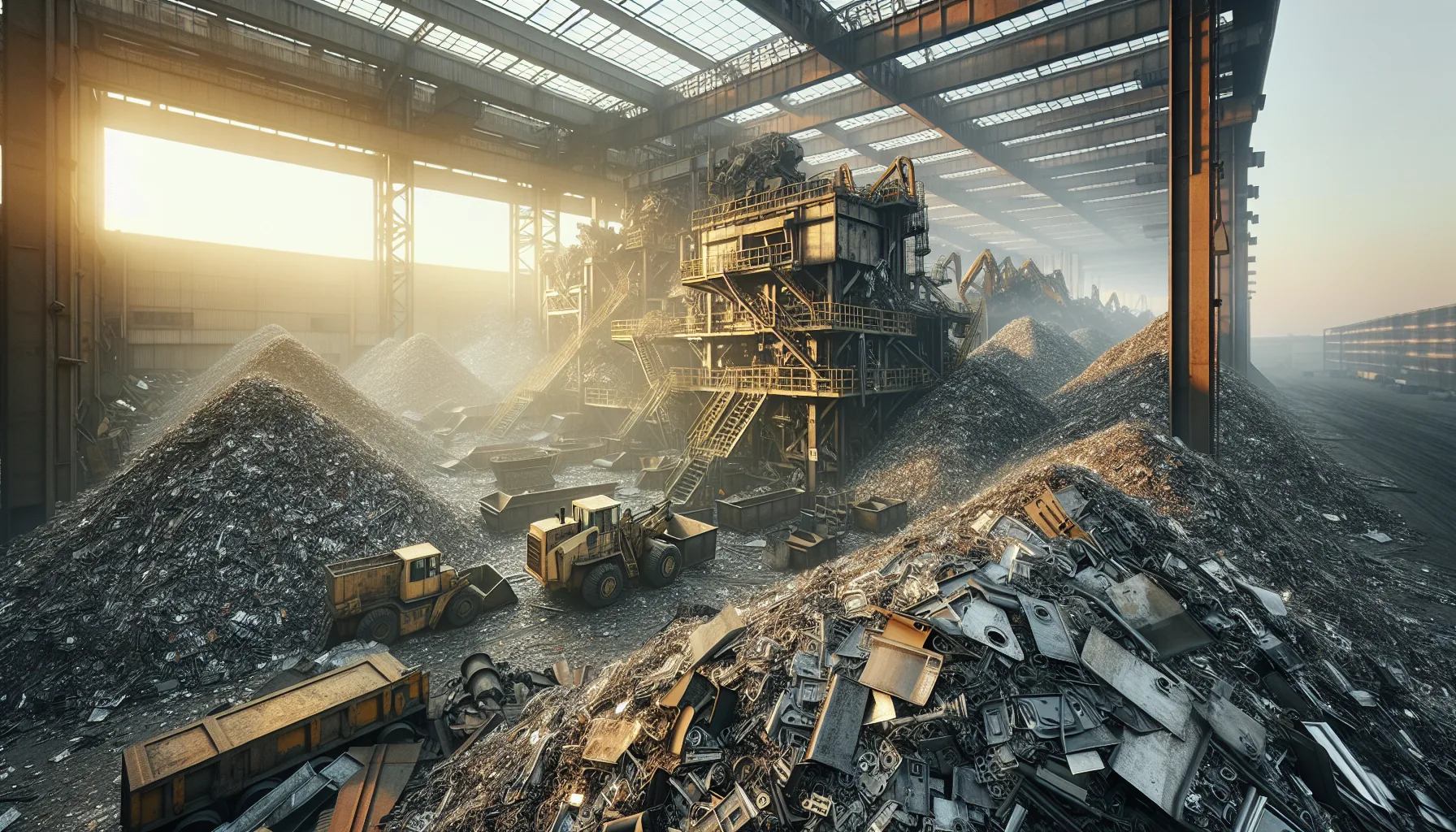
Getting maximum value from your scrap metal starts with proper sorting and preparation. The copper scrap price today varies significantly based on grade and purity, making preparation crucial for sellers across Canada. Whether you're collecting materials for the first time or running regular loads to recycling centers, understanding these fundamentals can increase your profits substantially.
Professional preparation separates casual sellers from serious recyclers. Clean, sorted metals command premium prices while mixed or contaminated loads often receive bulk rates. This guide breaks down the essential steps for maximizing your scrap metal value in today's competitive market.
Understanding Metal Categories and Current Market Demand
Scrap metal falls into two primary categories: ferrous (contains iron) and non-ferrous (no iron content). Non-ferrous metals like copper, aluminum, and brass typically offer higher values per pound. Ferrous metals including steel and cast iron make up the bulk of most collections but trade at lower prices.
Copper leads the non-ferrous market with multiple grades commanding different rates. Bare bright copper wire brings top dollar, while insulated wire or copper with attachments receives significantly less. When you check current Canadian scrap metal prices, you'll notice these grade distinctions directly impact your earnings.
Aluminum follows with its own pricing tiers. Clean aluminum siding, gutters, and window frames outperform cans or mixed aluminum. Steel prices remain steady but lower, though the volume often compensates for individual piece value. Understanding these market dynamics helps prioritize your sorting efforts where they'll generate the most return.
Regional markets like St. John's experience unique pricing patterns based on local demand and transportation costs. Newfoundland and Labrador's maritime economy creates specific opportunities for certain metal types, particularly those used in shipping and offshore industries.
Essential Tools and Preparation Space Setup
Successful metal preparation requires basic tools and organized workspace. A magnet quickly separates ferrous from non-ferrous materials—your most important sorting tool. Wire strippers remove insulation from copper wire, dramatically increasing value per pound.
Heavy-duty work gloves protect hands from sharp edges and chemical residues. Safety glasses prevent metal fragments from causing eye injuries during cutting or stripping operations. A sturdy workbench with good lighting makes detailed work safer and more efficient.
Storage containers keep different metals separated during collection periods. Label each container clearly to prevent mixing grades accidentally. Plastic bins work well for smaller items while larger pieces may require designated floor space or outdoor storage areas.
Basic cutting tools expand your preparation capabilities. Reciprocating saws handle thick steel sections while tin snips work for lighter gauge materials. However, avoid contaminating valuable metals with steel saw blades or cutting oil that can reduce their grade classification.
Step-by-Step Metal Sorting Techniques
Start with magnetic separation using your magnet test. Ferrous materials stick while non-ferrous metals don't react. This initial sort creates two main piles for further classification.
Focus on copper identification within your non-ferrous pile. Pure copper appears reddish-brown and feels heavy relative to size. Check for green patina indicating copper oxidation. Remove any steel attachments, screws, or fittings that reduce grade value.
Aluminum identification comes next. This lightweight metal often appears silver-gray and doesn't rust. Separate clean aluminum pieces from painted or coated materials. Different aluminum types receive different pricing, so keep siding separate from cans or mixed grades.
Brass combines copper and zinc, appearing golden-yellow. Common sources include plumbing fixtures, decorative items, and certain automotive parts. Clean brass commands higher prices than pieces with steel components or heavy corrosion.
Within ferrous metals, separate cast iron from regular steel. Cast iron breaks rather than bends and often comes from engine blocks, pipes, or heavy machinery. Steel includes everything from appliances to structural materials. Both have value, but buyers often prefer them separated.
For scrap metal recycling St. John's operations, understanding local buyer preferences helps optimize your sorting approach. Some facilities specialize in certain materials while others handle general mixed loads.
Cleaning and Processing Methods for Maximum Value
Cleaning increases metal value by removing contaminants that reduce grade classifications. For copper wire, stripping insulation transforms lower-grade material into bare bright copper commanding premium prices. However, only strip wire where the labor investment justifies the price increase.
Remove non-metal attachments from all materials. Steel screws in copper fittings, plastic handles on aluminum pans, and rubber gaskets in brass fixtures all reduce values. Sometimes the attachment removal reveals hidden steel components that would contaminate non-ferrous loads.
Drain all fluids from automotive parts, appliances, and machinery before transport. Oil, coolant, and other liquids create environmental hazards and often disqualify materials from certain buyers. Clean, dry metals present professionally and command better prices.
Surface cleaning removes dirt and light corrosion but avoid chemical treatments unless you understand their impact on metal grades. Some cleaning products introduce contaminants that actually reduce value rather than increasing it.
Size considerations matter for efficient handling and processing. Cut large pieces to manageable sizes while preserving material integrity. However, verify buyer preferences since some facilities handle large pieces more efficiently than small cut sections.
Timing Your Sales and Finding Premium Buyers
Market timing significantly impacts your returns. Copper and other non-ferrous metals experience price volatility based on global economic conditions. Monitor trends through reliable pricing sources to identify selling opportunities.
Seasonal patterns affect certain metal types. Construction materials like copper pipe and aluminum siding see higher demand during building seasons. Understanding these cycles helps optimize your collection and selling schedule.
Building relationships with multiple buyers provides pricing options and ensures outlets for different material types. Some buyers specialize in high-grade copper while others focus on volume steel processing. Having options maximizes your selling flexibility.
Transportation costs impact net returns, especially for lower-value materials. Calculate the true profit after fuel and time investments. Sometimes accumulating larger loads or coordinating with other sellers improves economics for scrap metal recycling Canada operations.
Platforms like SMASH make finding competitive buyers easier by connecting sellers with verified recycling facilities. This approach eliminates the guesswork of finding premium rates while ensuring legitimate, professional transactions.
For St. John's sellers, local market knowledge proves valuable. Understanding which facilities offer the best prices for specific materials helps maximize returns while minimizing transportation costs. Building these relationships takes time but pays dividends through better pricing and service.
When you find the best Canadian scrap metal prices today, proper preparation ensures you receive top value for your materials. The investment in sorting, cleaning, and presenting metals professionally typically returns several times the effort through improved pricing. Whether you're an occasional seller or regular recycler, these preparation techniques help optimize your scrap metal profits.
Success in scrap metal recycling combines market knowledge with proper preparation techniques. By understanding material grades, maintaining organized processes, and timing your sales strategically, you'll consistently achieve better returns on your recycling efforts. For additional guidance and current market insights, read Canadian scrap metal pricing guides to stay informed about industry trends and opportunities.
Ready to maximize your scrap metal profits? Professional buyers through SMASH Recycling — where verified buyers bid on your metal ensure competitive pricing for properly prepared materials. Get the best Canadian scrap metal prices — check rates at best-scrap-metal-prices.ca.
Frequently Asked Questions
Q: What's the difference between bare bright copper and insulated copper wire prices?
Bare bright copper commands premium rates, often 40-60% higher than insulated wire. The copper scrap price today for clean, stripped wire significantly exceeds rates for wire requiring processing. However, factor in stripping time when deciding whether the price difference justifies the labor investment.
Q: How do I know if my aluminum is clean grade or mixed grade?
Clean aluminum appears unpainted, uncoated, and free from steel attachments. Mixed grade includes painted siding, coated materials, or pieces with steel screws or fittings. Clean grade typically receives 20-30% higher pricing than mixed aluminum at most recycling facilities.
Q: Where can I find current scrap metal prices in St. John's?
Local recycling facilities post current rates, though prices change frequently based on market conditions. Online pricing platforms provide real-time market data for comparison shopping. Always call ahead to confirm current rates before transporting materials to any facility.
Q: Should I separate different types of steel or sell them together?
Most buyers accept mixed steel loads without significant price differences between types. However, separate cast iron from regular steel if possible, as cast iron sometimes commands slightly higher rates. Heavy steel like I-beams may also receive premium pricing at certain facilities.
Q: How much scrap metal do I need to make transportation worthwhile?
This depends on material types and local pricing. High-value metals like copper justify smaller loads while steel requires larger volumes to cover transportation costs. Generally, loads worth $100 or more make economic sense for most sellers after considering time and fuel expenses.