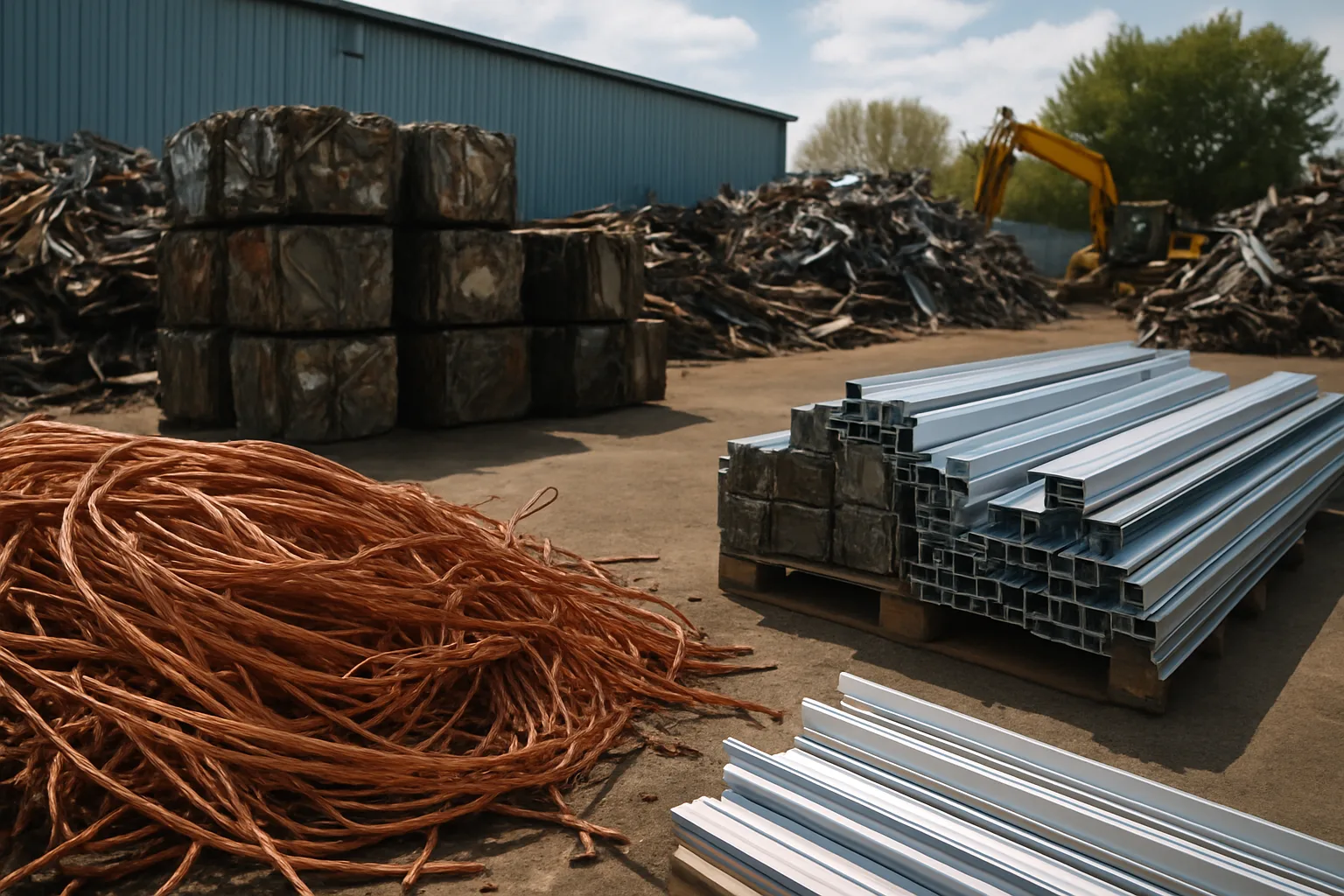
Why Your Scrap Load Came Back Lighter Than You Expected
You haul a truck bed full of metal to the yard, watch it go on the scale, and walk away with a cheque that feels smaller than it should. Sound familiar? Understanding how recycling yards actually weigh and grade your scrap metal is the difference between leaving money on the table and knowing exactly what your load is worth — before you pull out of your driveway. With scrap metal prices today shifting week to week, that knowledge matters more than ever.
This guide breaks down the process yards use, what factors they grade against, and how sellers in St. John's can get better outcomes by showing up prepared. Whether you're offloading a pile of copper wire, a few aluminum rims, or a mixed load of ferrous junk, the grading process directly controls how much you get paid.
How Recycling Yards Weigh Your Scrap Metal
Most yards use one of two setups: a floor scale (a platform scale you roll material onto) or a truck scale (a drive-on scale that weighs your vehicle loaded, then unloaded, with the difference being your net metal weight). Truck scales are common for bulk loads — demolition debris, industrial drops, car bodies. Floor scales handle smaller quantities and sorted material.
Here's what sellers often miss: tare weight matters. The yard records the weight of your vehicle or container before and after unloading. Moisture, dirt, ice, and non-metal attachments all add weight going in — but the yard will account for contamination during grading, not during weighing. That distinction costs sellers money when they don't understand it.
- Gross weight: Your vehicle plus all the metal you're carrying
- Tare weight: Your empty vehicle after unloading
- Net weight: Gross minus tare — what you actually get paid on
- Moisture deductions: Some yards apply a percentage deduction to account for wet or contaminated loads
- Packaging and attachments: Pallets, skids, plastic, rubber — these get pulled or deducted before final pricing
If you're selling regularly from a yard or shop in St. John's, ask for a printed or digital scale ticket every single time. That ticket is your record. If there's ever a dispute, it's the starting point.
Scrap Metal Grading: What the Yard Is Actually Looking At
Grading is where the real money gets decided. Two loads that weigh the same can pay out very differently based on grade. Yards classify metal based on purity, cleanliness, size, and whether it matches a recognized industry grade — most often aligned with ISRI (Institute of Scrap Recycling Industries) commodity grades.
Here's how it typically breaks down by metal type:
Copper
Copper is graded tightly because the price spread between grades is significant. The main grades you'll encounter:
- #1 Bare Bright Copper: Clean, uncoated, unalloyed copper wire, minimum 1/16" diameter. No insulation, no solder, no paint. This is top dollar.
- #1 Copper: Clean copper pipe, bus bars, clippings. May have minor oxidation but no significant contamination.
- #2 Copper: Copper with solder, paint, light coating, or slightly oxidized. Pays noticeably less than #1.
- Insulated copper wire: Priced based on estimated copper recovery percentage — thicker insulation means lower recovery, lower price.
Aluminum
Aluminum grades vary by alloy and form. Cast aluminum (engine blocks, transmission cases) pays differently than sheet aluminum or extrusions. Contamination from steel bolts, rubber gaskets, or plastic trim pulls the grade down fast. Clean, sorted aluminum always outperforms a mixed pile.
Steel and Ferrous Metal
Ferrous scrap is priced by the ton and graded broadly. Heavy melt (HMS) covers thick plate and structural steel. Shredder feed covers lighter material — car bodies, appliances, lighter gauge steel. Mixed loads with significant non-ferrous contamination get sorted or penalized.
Catalytic Converters
Cats are a special case. They're graded by serial number and assay, not by weight alone. The platinum group metals (PGMs) inside — platinum, palladium, rhodium — are what drive the price. A yard that can't identify your serial number is guessing. That's why photo documentation and serial tracking matter when you're moving volume.
What Lowers Your Grade — And What You Can Do About It
The most common reasons a yard downgrades your load are preventable. Contamination is the number one issue. Mixing copper with aluminum, throwing insulated wire in with bare bright, or leaving rubber and plastic attached to otherwise clean metal — all of these force the yard to either sort it themselves (which costs them time) or apply a lower blended grade to the whole load.
To protect your grade and get closer to the best prices available on scrap metal today, do this before you leave your shop or yard:
- Sort by metal type. Keep copper, aluminum, steel, and stainless separate. Don't mix ferrous and non-ferrous.
- Strip what you can. Remove insulation from copper wire if the volume justifies the labour. Strip bolts and fittings from aluminum if you're selling large quantities.
- Keep it dry. Wet loads lose value to moisture deductions. Cover material during transport.
- Document heavy or high-value loads. Photos with weights and descriptions protect you in any pricing dispute.
- Know your grades before you go. If you know you have #1 copper, say so. Don't let a yard default everything to #2.
Sellers across Newfoundland and Labrador who take sorting seriously consistently walk away with better numbers. It's not complicated — it's just discipline.
How Transparency (and Competition) Affects Scrap Metal Prices Today
Here's where most sellers lose the most money: they accept one buyer's grade, one buyer's price, and one buyer's terms. That's not a market — that's a guess. And in a volatile pricing environment, guessing is expensive.
A single yard call gives you a number. Multiple vetted buyers competing for your load gives you a market. That's the core difference that platforms like SMASH help you find the best price for your scrap in Canada — by bringing competition and documentation together in one place. When buyers know your load is graded, photographed, and weighed accurately, they can bid with confidence. That confidence shows up in the price.
SMASH supports inventory documentation, photo uploads, serial tracking for cats, and auto-invoicing — the kind of transparency that serious buyers respond to. No subscription fees. The platform only works when the seller gets a result. If you're moving volume out of St. John's or anywhere across Newfoundland and Labrador, that model deserves a serious look.
To check current Canadian scrap metal prices and understand what your grade should be worth before you book a pickup or haul to the yard, do your homework first. Don't walk into a negotiation blind.
Scrap Metal Price Discovery: What Sellers in St. John's Should Know
St. John's operates in a regional market with its own logistics reality. Transportation costs to mainland smelters and processors affect what local yards can offer. That's not an excuse — it's context. Understanding why local prices may differ from national benchmarks helps you make smarter decisions about what to sell, when, and to whom.
Copper, aluminum, and catalytic converters carry the most value per pound and justify the extra effort of sorting and documentation. Ferrous loads pay by the ton and are more sensitive to volume — small loads often don't cover the transportation overhead, which is why bundling or timing your hauls matters.
Global metal markets drive base prices — London Metal Exchange (LME) copper, aluminum futures, PGM spot prices. But the spread between those benchmarks and what a single yard pays you is where sorting, grading, and competition close the gap. Find the best Canadian scrap metal prices today by tracking those benchmarks regularly, not just when you have a load to sell.
For deeper context on how grades map to market pricing, read Canadian scrap metal pricing guides that break down the numbers by metal type and region.
Getting Paid What Your Scrap Is Actually Worth
The old way of selling scrap — one call, one price, take it or leave it — works great for the buyer. Not for you. When you understand how weighing and grading work, you show up to the yard (or to a platform like SMASH) with leverage. You know your grade. You've sorted your load. You've documented what you're selling. That changes the conversation.
The best scrap metal prices don't come from luck. They come from preparation, transparency, and competition. Do the work before your load hits the scale, and you'll see the difference in your cheque.
Whether you're a yard operator, a shop owner, or an individual seller clearing out material in St. John's, the fundamentals don't change: sort it, document it, and make buyers compete for it. That's how you close the gap between what you're getting and what your scrap is actually worth. Get the best Canadian scrap metal prices — check rates at best-scrap-metal-prices.ca.
Disclaimer: Scrap metal prices fluctuate daily based on global commodity markets, regional demand, and load conditions. Always verify current rates before selling.
Frequently Asked Questions
Q: How do scrap yards determine the price they pay for my metal?
Yards base their price on the metal's grade, weight, and current commodity market rates. The cleaner and better-sorted your load, the closer you get to the benchmark price for that metal. Contamination, moisture, and mixed grades all reduce your payout.
Q: What are scrap metal prices today in St. John's?
Prices shift daily based on global markets and local yard conditions. The best approach is to check current rates through a resource like best-scrap-metal-prices.ca before you sell, and get quotes from multiple buyers to understand what the local market is actually offering.
Q: Why did the yard pay me less than I expected for my copper?
Most often, it comes down to grade. If your copper had insulation, solder, paint, or was mixed with other metals, it likely dropped from #1 to #2 or lower. Stripping and cleaning your copper before delivery directly impacts what you receive.
Q: Is it worth sorting my scrap before selling near me in St. John's?
Yes — consistently. Sorted, clean loads command better per-pound pricing than mixed loads. The time you spend separating copper from aluminum, or stripping insulated wire, often pays back significantly on a large load. Small loads may not justify the effort, but for anything substantial, sorting is worth it.
Q: How does a scrap metal auction platform like SMASH work for sellers?
SMASH connects sellers with vetted buyers through a competitive auction format. Sellers document their inventory — photos, weights, grades — and buyers compete for the load. More competition typically means better price discovery than a single-buyer phone call. There are no subscription fees; the platform earns when you do.
Stay current on metal market moves and industry pricing trends — follow SMASH on LinkedIn for regular updates on the Canadian scrap metal market.
```