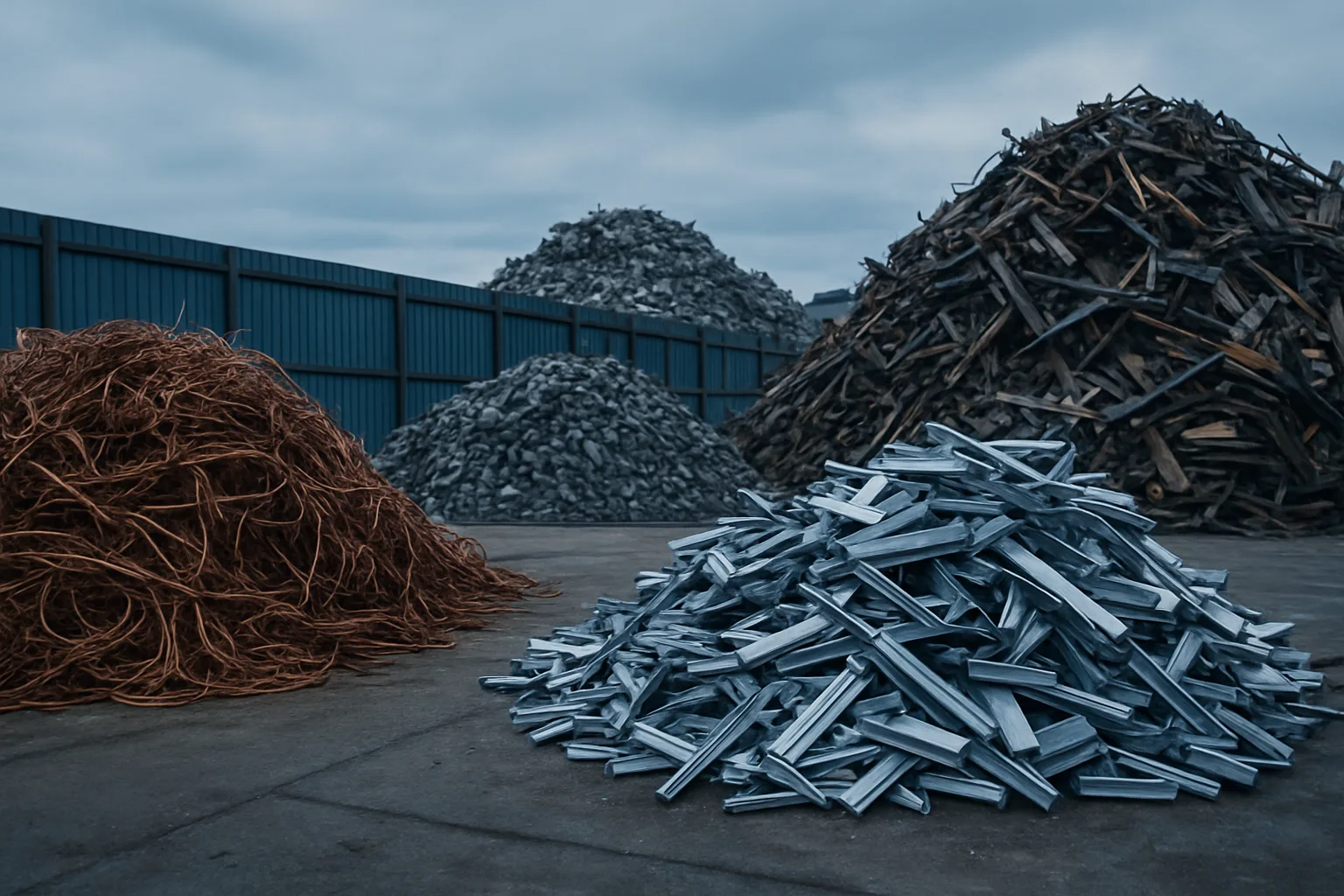
Scrap Metal Market Recap: What Canadian Yards Are Watching This Week (August 2026)
If you sold a load last month and the price felt off, you weren't imagining it. Scrap metal markets in August 2026 are moving fast — and not always in the direction sellers expect. Copper is reacting to grid infrastructure spending. Aluminum is caught between auto sector slowdowns and aerospace demand. Steel is holding, but only just. For anyone trying to get competitive scrap metal prices in Guelph or anywhere else in Ontario right now, timing and information are everything.
This is your weekly market roundup. No guesswork. No filler. Just what's moving, what's stalling, and what you should watch before your next load goes out the door.
Copper Scrap Price Today: Why the Red Metal Is Running Hot
Copper is the metal everyone's watching right now. Government infrastructure buildouts across North America — electrical grid upgrades, EV charging networks, data centre expansion — are driving consistent demand for copper wire, tubing, and busbar. That demand isn't letting up. The copper scrap price today reflects tight supply and a buyer pool that's actively competing for clean material.
What does that mean for sellers? Clean #1 copper (bare bright) continues to command a significant premium over #2 copper with solder or paint. If you're sitting on mixed copper loads, it's worth taking the time to grade and separate before you sell. That extra twenty minutes of sorting can translate to a meaningful price difference per pound — especially on larger loads.
A few things to watch on copper this week:
- Insulated wire grades: Stranded copper wire with heavy insulation (romex, THHN) is pricing differently than heavier stripped material. Know your recovery percentages.
- Copper pipe and tubing: Clean copper plumbing commands strong prices. Corroded or painted pipe drops a grade fast.
- Transformer copper: End-of-life transformers are moving. Buyers want documentation — serial numbers, condition notes.
Platforms like get competitive bids for your scrap in Canada through SMASH put multiple vetted copper buyers in competition for your material. That matters when the market is strong — you want to know you're capturing the real price, not leaving money on the table because you called one buyer and took their word for it.
Steel and Ferrous Markets in Ontario: Steady, But Watch the Spread
Ferrous markets across Ontario are holding relatively stable heading into late August 2026, but the spread between shredder grades and HMS (Heavy Melting Steel) has widened slightly. Shredder feedstock demand remains steady from domestic mills, but export channels for HMS are facing some pressure from overseas competition and shifting freight costs.
For scrap metal recycling Ontario operations — whether you're running a full-service yard or processing demolition material — a few ferrous trends matter right now:
- Busheling and punchings: Industrial-grade clean steel is still preferred by mills over mixed HMS. If you're generating clean manufacturing offcuts, price them separately.
- Rebar and structural: Demolition steel is moving, but contamination (concrete attachment, excessive rust) draws deductions. Clean it up before you deliver.
- Automotive bodies: Shredder yards are buying, but the price per gross ton has softened slightly from the peaks seen earlier this year. Get multiple quotes before committing a large auto body load.
The mill-to-yard-to-seller price chain can get compressed fast when mill demand softens even slightly. Getting competitive bids — rather than relying on one relationship — is the only way to know you're pricing to the actual market. That's exactly where a scrap metal auction platform like SMASH changes the game. More buyers bidding on your load means the price reflects reality, not one buyer's margin target.
Aluminum: Demand Signals Are Mixed — Here's How to Read Them
Aluminum is the most nuanced market to read right now. Primary aluminum prices have been under pressure from energy cost shifts in smelting regions, but secondary (recycled) aluminum demand from auto and aerospace remains strong. The gap between primary and secondary is keeping recycled aluminum competitive — for now.
For sellers in Guelph and across southern Ontario, aluminum grades worth paying attention to this week include:
- Cast aluminum (Zorba, wheels, engine blocks): Auto-sector demand for recycled cast is holding. Aluminum wheels in particular are moving well when they're clean and free of steel weights.
- Sheet aluminum: Old sheet and litho sheet pricing varies widely by buyer. Don't accept the first number you hear.
- Aluminum extrusions: 6061 and similar alloys are commanding premiums from industrial buyers. Know your alloy if you can identify it.
- UBC (Used Beverage Cans): UBC prices have been relatively stable. High-volume UBC sellers should be sorting out steel cans — magnet-test your loads before pricing.
The aluminum market rewards sellers who know their grades. Showing up with a mixed, unsorted load means the buyer sets the grade — and they won't grade it in your favour. Take twenty minutes with a magnet, a wire brush, and some basic alloy knowledge. You'll see it in your payout.
Want to check current Canadian scrap metal prices for aluminum and other non-ferrous metals before your next yard visit? Keeping an eye on benchmark pricing gives you a baseline to compare against what your local buyer is offering.
What Sellers in Guelph and Hamilton Are Watching Right Now
Sellers across southern Ontario — from Guelph to Hamilton — are dealing with the same core challenge: regional yard prices don't always track the commodity market in real time. A yard might be sitting on a full inventory of a specific grade and drop their buy price accordingly, even if the overall market is strong. That information asymmetry has always favoured buyers over sellers.
For anyone looking to sell scrap metal in Hamilton or the surrounding region, the current market conditions make price comparison more important than ever. Steel pricing at one yard could differ meaningfully from another buyer just twenty minutes away. Those differences compound fast on larger loads.
A few things southern Ontario sellers should track this week:
- Catalytic converter values: PGM (platinum group metal) prices are volatile. If you're holding cats, check the serial number values before you move them. Don't lump them into a flat-rate deal without doing your homework first.
- Stainless steel grades: 304 and 316 stainless are pricing very differently from 200-series and chrome-plated material. Grade before you sell.
- E-scrap and circuit boards: High-grade e-scrap is moving, but buyers want volume and documentation. Small quantities may not get top dollar unless you're working with a buyer who specializes in it.
If you're using Guelph scrap metal services to track local market rates, that's a smart starting point. Combine that with competitive bidding through a platform like SMASH and you're working with real market data — not a single buyer's posted rate.
Selling Scrap Smarter: Why Auction Platforms Are Gaining Ground in 2026
The old model — call your one buyer, take their price, load the truck — still exists. But it's losing ground for a reason. More sellers across North America, including yards and individuals in markets like Edmonton, Hamilton, and Guelph, are turning to auction-based selling to expose their loads to real competition.
For anyone looking to sell scrap metal in Edmonton or other major Canadian markets, the logistics of finding and vetting multiple buyers used to be the barrier. That barrier is gone. A scrap metal auction platform handles buyer vetting, bid management, documentation, and invoicing — so you're focused on your material, not on chasing paperwork.
SMASH operates on a simple principle: no subscription fees, no guessing. You only pay when your load sells. Buyers compete, price discovery happens in the open, and you get the outcome the market actually supports. That's not a marketing pitch — it's just how auctions work when there are real buyers at the table.
Documented inventory matters here too. Loads with photos, accurate weights, BOLs, and packing lists attract more confident bids. A buyer bidding on a well-documented load takes less risk — and that often translates to a stronger bid. You can read Canadian scrap metal pricing guides to sharpen your understanding of what documentation actually moves the needle for buyers.
What to Watch the Week of August 16, 2026
Markets move on macroeconomic signals as much as supply and demand. Here's what to keep an eye on heading into the week:
- USD/CAD exchange rate: Non-ferrous metals trade globally in USD. A stronger Canadian dollar compresses CAD-equivalent prices at the yard level — watch the exchange rate if you're pricing a large non-ferrous load.
- Energy sector activity: Active pipeline, grid, and industrial construction in western Canada is sustaining copper wire and structural steel demand. Watch project announcements for demand signals.
- Auto sector production schedules: OEM plant shutdowns affect aluminum and ferrous scrap demand from secondary processors. If a major plant announces a shutdown, shredder demand may soften in that region.
- LME and COMEX benchmark moves: The London Metal Exchange and COMEX copper contracts set the tone for what yards will pay. Daily moves of more than 2-3% are worth noting before you commit a load.
Markets will keep moving. Sellers who track the signals — and use competitive platforms to test the real price — consistently outperform those who rely on habit and one-buyer relationships. If you're ready to stop guessing and start selling into real market competition, find the best Canadian scrap metal prices today and compare what you're currently getting against what the market is actually paying.
Disclaimer: Scrap metal prices fluctuate daily based on commodity markets, regional supply and demand, and exchange rates. Always verify current rates before selling. The price ranges and market commentary in this article reflect general conditions as of August 2026 and are not guaranteed pricing.
Frequently Asked Questions
Q: What are scrap metal prices like in Guelph right now?
Scrap metal prices in Guelph follow Ontario regional pricing, which tracks broader North American commodity benchmarks. Copper, aluminum, and steel prices shift week to week based on global demand, exchange rates, and local yard inventory. The best way to know what your load is worth is to get multiple quotes — comparing at least two or three buyers gives you a real market picture rather than one yard's posted rate.
Q: How do I know if I'm getting a fair copper scrap price today?
Start with the LME (London Metal Exchange) or COMEX copper benchmark and work backward — most yards price off those benchmarks with a regional spread applied. If your yard's buy price seems significantly lower than the benchmark would suggest, it's worth shopping the load. Platforms like SMASH let multiple buyers compete for your copper, which is one of the most reliable ways to confirm you're capturing the real market price.
Q: Is it worth separating and sorting my scrap before I sell it?
Almost always yes. Mixed or contaminated loads get graded down, and the grade determines the price. Separating copper by type (bare bright vs. #2 vs. insulated wire), cleaning aluminum of steel attachments, and sorting stainless by grade can meaningfully increase what you receive per pound. The extra time is almost always worth it on loads of any significant weight.
Q: What's the difference between selling scrap through an auction platform versus going directly to a yard?
Going directly to one yard means one price from one buyer — take it or leave it. An auction platform like SMASH puts your load in front of multiple vetted buyers who compete against each other. That competition can reveal the actual market price rather than what a single buyer decides to offer. There are no subscription fees with SMASH — you only pay when your load sells.
Q: Do scrap metal prices in Ontario differ from other provinces?
Yes, regional pricing varies across Canada. Proximity to mills, transportation costs, local supply and demand, and the CAD/USD exchange rate all affect what yards in Ontario, Alberta, or British Columbia will pay for the same material. That's why checking regional rates — and getting competitive bids rather than accepting one local offer — matters for maximizing your return regardless of where you're located.
Stay sharp on the market and follow SMASH on LinkedIn for weekly scrap metal market insights, pricing trends, and industry updates straight to your feed.