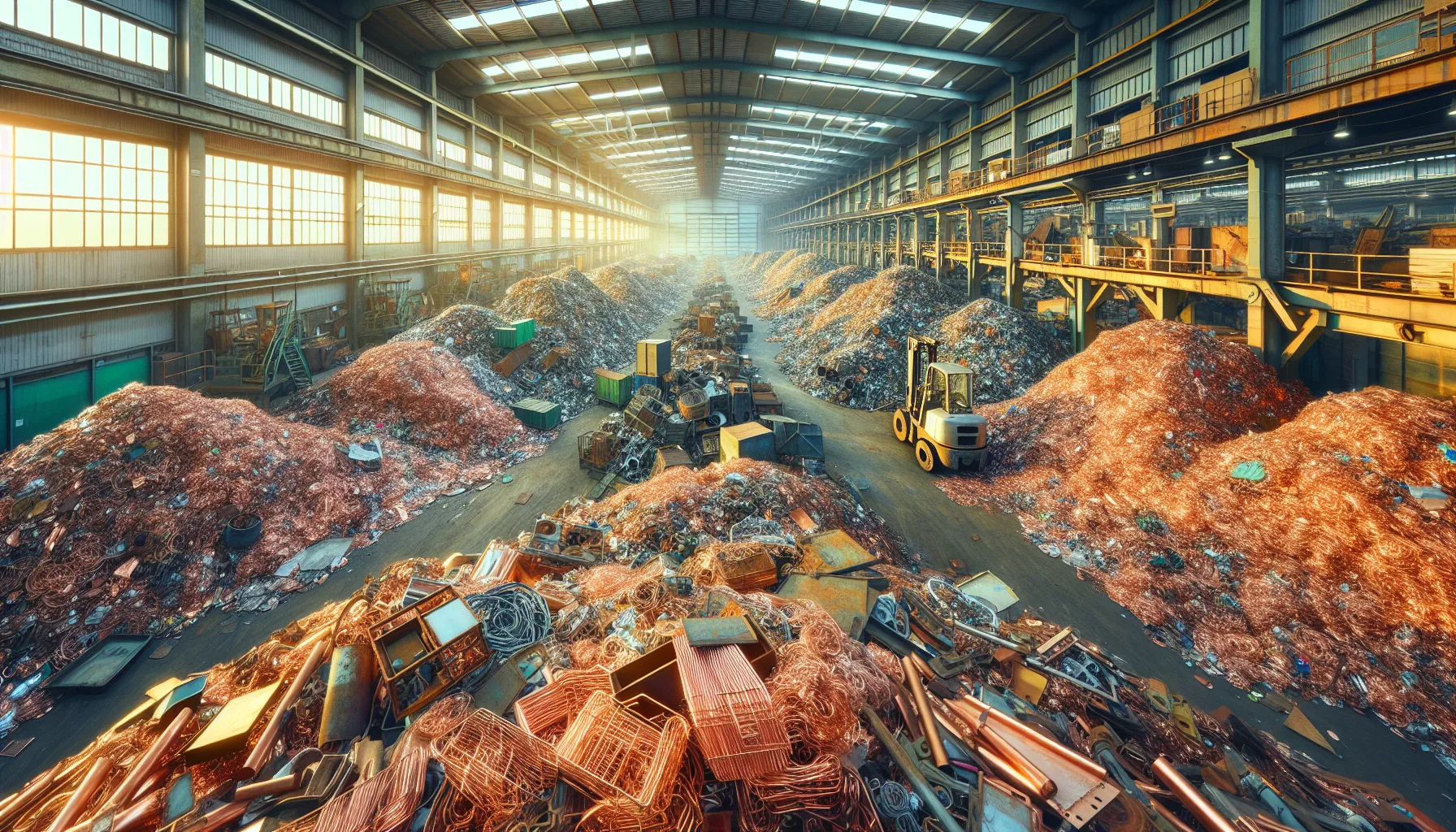
Environmental Benefits of Scrap Metal Recycling in Edmonton
The copper scrap price today reflects more than market demand — it signals the growing importance of sustainable metal recycling practices across Canada. Edmonton's commitment to environmental stewardship has made scrap metal recycling a cornerstone of the city's waste reduction strategy, with residents and businesses increasingly recognizing both the financial and ecological benefits of proper metal disposal.
Scrap metal recycling in Edmonton prevents thousands of tons of materials from entering landfills annually. When you recycle copper, aluminum, and steel, you're participating in a circular economy that reduces mining demands and conserves natural resources. The energy savings are substantial: recycling aluminum uses 95% less energy than producing new aluminum from ore, while copper recycling saves approximately 85% of the energy required for primary production.
Local Edmonton recyclers process everything from household appliances to industrial copper wire, transforming waste into valuable commodities. This process not only supports find the best Canadian scrap metal prices today but also contributes to Alberta's environmental goals. The provincial government has recognized recycling as essential for meeting carbon reduction targets, making proper scrap metal handling both profitable and responsible.
Understanding current market conditions helps maximize your recycling impact. Platforms like SMASH connect Edmonton residents with competitive buyers, ensuring you receive fair compensation while supporting environmental initiatives. The transparency in pricing allows sellers to make informed decisions about when and where to sell their materials.
Alberta's Scrap Metal Regulations and Compliance Requirements
Alberta's regulatory framework for scrap metal recycling Edmonton operations ensures both environmental protection and fair market practices. The province requires all scrap metal dealers to maintain detailed transaction records, including seller identification, material descriptions, and payment methods. These regulations protect legitimate sellers while deterring theft and fraud in the recycling industry.
Edmonton businesses handling significant volumes of scrap metal must obtain proper licensing through the city's business licensing department. The requirements vary based on operation size and material types, with copper and other non-ferrous metals subject to additional tracking measures. Sellers should understand these regulations to ensure smooth transactions and avoid potential compliance issues.
Environmental permits become necessary for operations processing large quantities or handling potentially hazardous materials. Alberta Environment and Protected Areas oversees these permits, focusing on air quality, water protection, and soil contamination prevention. Even small-scale recyclers benefit from understanding these standards, as they influence market pricing and buyer requirements.
The regulatory landscape continues evolving in 2026, with new digital tracking systems improving transparency across Alberta's recycling network. These changes support better scrap metal prices today by reducing administrative costs and streamlining transactions. SMASH helps navigate these requirements by connecting sellers with compliant, licensed buyers who understand current regulations.
Current Market Dynamics Affecting Edmonton Scrap Metal Pricing
Global commodity markets directly influence local Edmonton pricing, with copper leading price movements across all metal categories. The current copper market reflects strong construction demand and infrastructure investment, driving competitive pricing for quality scrap materials. Edmonton's strategic location provides access to both domestic and international markets, supporting robust pricing for local sellers.
Transportation costs play a significant role in final pricing, especially for bulky materials like steel and aluminum. Edmonton's proximity to major processing facilities in Alberta and British Columbia helps minimize these costs compared to more remote locations. Understanding these logistics helps sellers time their sales for maximum profitability.
Seasonal variations affect demand patterns, with construction-related metals typically seeing higher prices during spring and summer months. Industrial shutdowns and maintenance schedules also create periodic supply surges that can temporarily impact local pricing. Staying informed about these cycles helps optimize selling timing.
Quality specifications significantly impact pricing, with clean, sorted materials commanding premium rates. Edmonton buyers increasingly reward sellers who properly prepare their materials, reflecting both processing efficiency and environmental considerations. check current Canadian scrap metal prices to understand current quality premiums and market expectations.
Maximizing Environmental and Financial Returns
Proper sorting and preparation maximize both environmental benefits and financial returns from scrap metal recycling. Clean copper wire typically commands prices 20-30% higher than mixed or contaminated materials, while sorted aluminum achieves premium rates over mixed loads. This preparation reduces processing requirements and energy consumption at recycling facilities.
Timing sales based on market conditions and seasonal demand patterns can significantly impact returns. Edmonton's construction season creates higher demand for copper and aluminum, while industrial maintenance periods may flood the market with certain materials. Monitoring market trends helps identify optimal selling windows.
Building relationships with local buyers often yields better long-term pricing and service. Consistent sellers who provide quality materials typically receive preferential treatment and early notification of price changes. Platforms like SMASH facilitate these relationships by connecting serious sellers with reputable Edmonton buyers.
Environmental certification programs are becoming increasingly valuable, with some buyers offering premium pricing for materials from certified sustainable sources. These programs verify proper handling procedures and environmental compliance, supporting Alberta's broader sustainability initiatives while potentially improving selling prices.
Technology and Innovation in Scrap Metal Markets
Digital platforms are revolutionizing how Edmonton residents access scrap metal markets, providing real-time pricing information and competitive bidding opportunities. These technologies eliminate traditional information asymmetries, ensuring sellers receive fair market value for their materials. SMASH exemplifies this innovation by connecting local sellers with multiple buyers simultaneously.
Advanced sorting technologies at processing facilities are improving recycling efficiency and environmental outcomes. These improvements often translate to better pricing for well-prepared materials, as facilities can process them more cost-effectively. Understanding these technological capabilities helps sellers prepare materials to meet buyer specifications.
Mobile applications now provide instant pricing updates and market analysis, helping sellers make informed decisions about timing and buyer selection. These tools are particularly valuable for commercial sellers managing larger volumes or multiple material types. read Canadian scrap metal pricing guides for detailed information about using these digital resources effectively.
Blockchain and tracking technologies are improving transparency throughout the recycling supply chain, supporting both regulatory compliance and pricing integrity. These systems help verify material origins and processing history, building trust between buyers and sellers while supporting environmental accountability.
Frequently Asked Questions
Q: What factors influence copper scrap prices in Edmonton today?
Copper prices fluctuate based on global commodity markets, local demand from construction and manufacturing, material quality and preparation, and seasonal construction activity. Edmonton's strategic location and processing infrastructure generally support competitive pricing compared to more remote locations.
Q: Are there specific regulations for selling scrap metal in Edmonton?
Yes, Edmonton requires sellers to provide valid identification, and dealers must maintain transaction records. Alberta regulations mandate tracking for certain materials, particularly copper and other non-ferrous metals. Licensed dealers must comply with provincial environmental and business licensing requirements.
Q: How can I get the best price for my scrap metal in Edmonton?
Maximize returns by properly sorting and cleaning materials, comparing prices from multiple buyers, timing sales during high-demand periods, and building relationships with reputable dealers. get competitive bids for your scrap in Canada through platforms that connect you with multiple buyers.
Q: What environmental benefits does scrap metal recycling provide?
Recycling conserves natural resources, reduces energy consumption by up to 95% compared to primary production, prevents landfill waste, and supports circular economy principles. Edmonton's recycling programs contribute to Alberta's environmental goals while providing economic benefits to participants.
Q: How often do scrap metal prices change in Edmonton?
Prices typically update daily based on commodity market movements, though some dealers may adjust pricing weekly or bi-weekly. Major price shifts often occur with significant market events, seasonal demand changes, or global economic developments affecting metal commodities.
Understanding both the environmental impact and regulatory landscape for scrap metal recycling in Edmonton helps maximize both financial returns and ecological benefits. The city's commitment to sustainable practices, combined with Alberta's supportive regulatory framework, creates opportunities for profitable and responsible recycling. Get the best Canadian scrap metal prices — check rates at best-scrap-metal-prices.ca to stay informed about current market conditions and find the most competitive buyers in your area.
Follow SMASH on LinkedIn for the latest industry updates and scrap metal market insights.