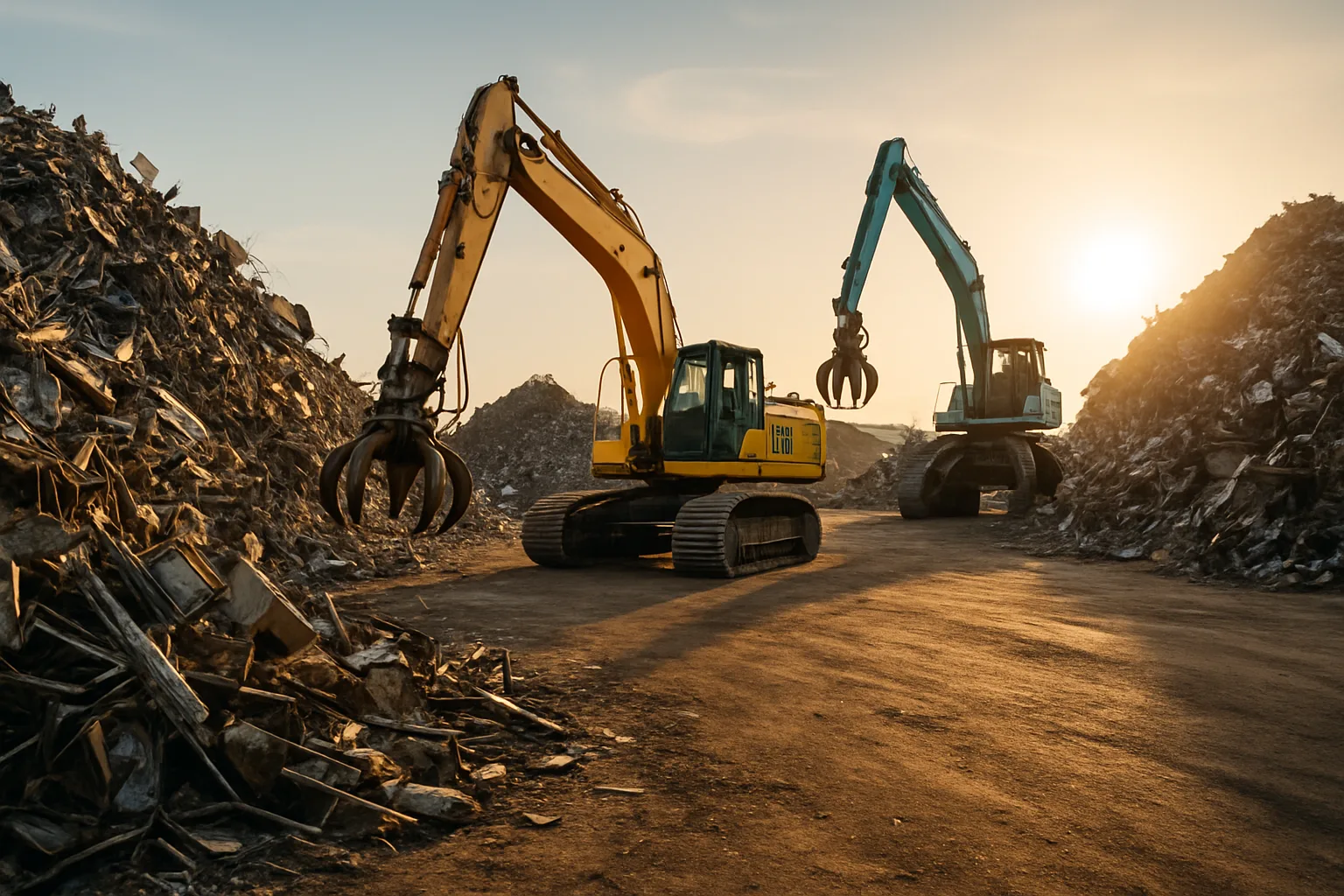
Construction and demolition crews tear through more recoverable metal in a single project than most people see in a lifetime. Structural steel, copper wiring, aluminum framing, cast iron pipe — it all comes out of the ground or off the walls when a building goes down or a site gets cleared. The question isn't whether there's scrap value on your job site. The question is whether you're capturing it.
For contractors and site managers in Hamilton and across Ontario, understanding how to move that material through a B2B scrap metal marketplace can mean the difference between leaving money on the table and turning demolition waste into a legitimate revenue line. Here's how construction and demolition sites generate scrap, what it's worth, and how to stop letting buyers lowball you on every load.
What Construction and Demolition Sites Actually Produce
Every project type has its own scrap metal profile. A commercial demolition in Hamilton's industrial east end pulls out different material than a residential renovation in Stoney Creek or a highway infrastructure teardown on the 403. Knowing what you're working with changes how you sort, stage, and sell.
Here's a breakdown of the most common scrap metal streams from C&D sites:
- Structural steel: I-beams, columns, decking plate, rebar — the backbone of any commercial teardown. Heavy ferrous material. Volume matters here.
- Copper: Electrical wiring, plumbing pipe, bus bars, motor windings. One of the highest-value non-ferrous metals on any site. Even small amounts add up fast.
- Aluminum: Window frames, curtain wall, HVAC ductwork, conduit. Aluminium scrap value has been solid — it's lightweight, easy to sort, and buyers want it.
- Cast iron and ductile iron: Old plumbing, drain systems, radiators in heritage buildings. Dense, heavy, and worth separating from mixed ferrous loads.
- Stainless steel: Commercial kitchen equipment, food processing facilities, hospital teardowns. Commands a premium. Never mix it with carbon steel.
- Catalytic converters and vehicle parts: Site equipment, utility vehicles, diesel gensets — if they're being retired, cats and cores have real value.
Most sites comingle everything into a bin and call one buyer. That's the old way. It's also the expensive way.
Why the "One Buyer, One Call" Approach Costs You
Here's the reality of how most C&D scrap gets sold in Ontario today: a site super or project manager calls a local yard, agrees to whatever price gets quoted that morning, and schedules a pickup. No documentation. No competition. No idea if that number reflects the actual market.
That one buyer knows you need the bins cleared. They know you're not calling three other yards. And they price accordingly.
When you move material through a scrap metal auction platform, that dynamic flips. Multiple vetted buyers see your load. They compete. You see what the market actually pays — not what one yard feels like offering on a Tuesday. More buyers means better price discovery. That's not a marketing line. That's how auctions work.
For contractors managing multiple active sites, this matters at scale. A few extra dollars per tonne on a 200-tonne structural steel pour adds up. Copper and aluminum premiums on well-documented loads can be significant. The documentation piece is where most C&D sellers leave the most money behind.
How to Document and Stage Scrap Metal on a C&D Site
Buyers pay more when they know exactly what they're getting. A load of clean, sorted copper wire photographs and describes differently than a mixed bin of construction debris with wire buried inside. The first load commands a premium. The second gets discounted as uncertainty.
Good scrap management on a demolition site follows a simple process:
- Designate a scrap staging area early. Set it up before demolition starts. Retrofit staging after the fact means commingled loads and lost value.
- Sort by metal type as you go. Separate ferrous from non-ferrous. Break out copper, aluminum, and stainless into their own containers or zones.
- Photograph every load. Good photos help buyers bid with confidence. More confident buyers bid higher. It's that simple.
- Document weight estimates and material grades. If you're pulling #1 bare bright copper versus insulated wire, that's a different product. Label it.
- Track serial numbers or equipment details on cores and cats. Platforms like the SMASH Recycling auction platform use VIN lookup and serial tracking — this matters for high-value items.
- Build a Bill of Lading (BOL) for every load. Auto-invoicing platforms make this easier. But even a basic packing list helps buyers and creates a paper trail for your project accounting.
This process doesn't require a dedicated person. It requires a system. Once your crew knows the routine, it becomes part of site operations — not extra work.
Sell Scrap Metal Hamilton: What the Local Market Looks Like
Hamilton has a long history as a steel town, which means there's real infrastructure here for moving metal. The yards exist. The buyers exist. But "buyers exist" doesn't mean you're getting a competitive price — it means you have options if you know how to use them.
If you're looking to sell scrap metal in Hamilton from an active C&D site, you're operating in a market with both local yard buyers and regional processors who want volume material. Structural steel in large tonnages, clean copper, and sorted aluminum all have active demand from Hamilton-area and broader Ontario buyers.
The catch is that local pricing can vary significantly depending on which buyer you reach first. Metal prices move on market conditions — copper tracks global commodity exchanges, aluminum responds to energy cost pressures on smelters, steel follows mill demand. A buyer quoting you Monday morning is pricing into a specific market moment. You deserve to know if that quote is competitive — not just convenient.
Platforms built for the B2B scrap metal marketplace give you that visibility. When you list a load and buyers compete, you're not guessing anymore. You're seeing what the market pays. If you want to find the best Canadian scrap metal prices today, that means more than calling one yard.
Why Scrap Metal Recycling Ontario Makes Business Sense Beyond the Check
Scrap metal recycling in Ontario isn't just about the revenue line — although the revenue line matters. It also affects your project's waste diversion metrics, which increasingly factor into tender scoring and municipal project requirements across the province. Sites that document responsible material diversion have an edge when bidding on public contracts.
Beyond compliance, there's a straightforward environmental argument that clients and project owners care about in 2026. Structural steel recycled from a demolition job displaces virgin ore extraction. Copper recovered from a renovation goes back into the supply chain without new mining. These aren't abstract talking points — they're procurement criteria on a growing number of commercial and institutional RFPs.
If you're a contractor who can demonstrate documented scrap diversion with real weights, verified loads, and a clean paper trail, that's a differentiator. Not every competitor can produce that. Platforms that generate auto-invoicing and BOLs give you that documentation automatically — no extra admin required.
Want to go deeper on pricing strategy and market timing? Read Canadian scrap metal pricing guides to understand what drives value across different metal categories and how to time your loads.
How SMASH Connects C&D Sellers to Vetted Buyers
SMASH was built for exactly this kind of seller — contractors and operators who generate real volume, sort it properly, and deserve to see competitive bids instead of take-it-or-leave-it phone quotes.
The platform handles the things that typically slow down C&D scrap transactions:
- Inventory documentation with photo uploads and material descriptions — so buyers know what they're bidding on
- Vetted buyer network — you're not posting to random strangers; these are verified processors who compete on price
- Auction format — competition drives price discovery; you see what the market actually values your load at
- Auto-invoicing — the paperwork generates automatically, which matters when you're managing project accounting across multiple sites
- No subscription fees — SMASH earns when you earn. That alignment matters.
For C&D operations moving material regularly — whether it's a single major demolition or an ongoing series of renovation projects — having a reliable platform replaces the guesswork. You're not chasing quotes. You're running a process.
If you're ready to move a load or want to understand what your material is worth on the open market, email jeff@smashscrap.com directly. That's the sales-side contact — no runaround, no contact form queue.
When the project wraps and you're ready to clear your staging area, check current Canadian scrap metal prices so you walk into the conversation informed.
Disclaimer: Scrap metal prices fluctuate with commodity markets, regional demand, and material grade. Always verify current rates before committing to a transaction.
Frequently Asked Questions
Q: What types of scrap metal are most common on construction and demolition sites in Hamilton?
Structural steel and rebar make up the bulk of ferrous material on most C&D sites. Non-ferrous material — copper wiring, aluminum framing and ductwork, cast iron drain systems — varies by building age and type. Heritage buildings in older Hamilton neighbourhoods often yield significantly more non-ferrous content than newer commercial builds.
Q: How does a B2B scrap metal marketplace work for contractors selling demolition scrap?
A B2B scrap metal marketplace connects verified sellers — contractors, demolition crews, yard operators — with vetted industrial buyers who bid competitively on loads. Instead of calling one yard and accepting whatever price is offered, sellers list their material, document it with photos and weights, and let buyers compete. That competition creates real price discovery rather than a single subjective quote.
Q: Does sorting scrap metal on site actually improve what I get paid?
Yes — consistently. Buyers price uncertainty into mixed loads. When a buyer can't verify metal type or grade, they bid conservatively. Sorted, photographed, and documented loads give buyers the confidence to bid at or near market value. Separating copper from aluminum from ferrous material is the single highest-return step most C&D sellers can take.
Q: How do I find competitive scrap metal near me prices as a contractor in Ontario?
Start by checking commodity-linked pricing resources and comparing what local yards quote against market rates. Better yet, use a platform that shows you competitive bids from multiple buyers on your actual load — not theoretical pricing. That's the most accurate way to understand what your specific material is worth in your specific market window.
Q: Is there a minimum load size to use a scrap metal auction platform like SMASH?
SMASH serves commercial and industrial sellers moving real volume — think full loads, not a few pieces of copper pipe. If you're pulling material off an active C&D site and generating consistent tonnage, that's exactly the profile the platform is built for. Reach out to jeff@smashscrap.com to discuss your load size and material mix before your first listing.
The scrap sitting on your demolition site has real market value. Stop guessing at it. When your next project wraps, get the best Canadian scrap metal prices — check rates at best-scrap-metal-prices.ca and see what your loads are actually worth before you make the call.
Follow SMASH on LinkedIn for scrap metal market insights, pricing trends, and industry updates: linkedin.com/company/scrap-metal-auction-sales-hub.