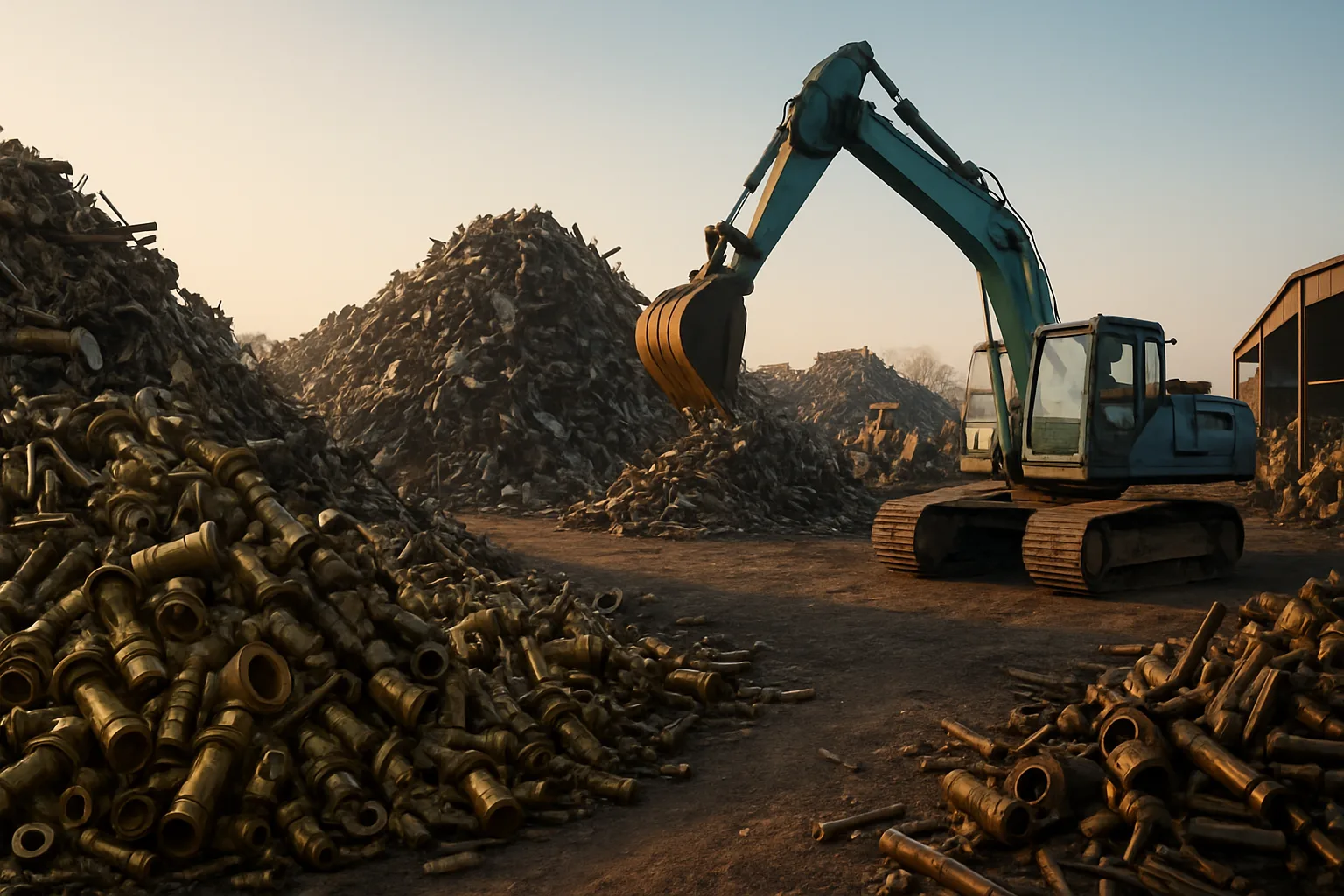
Brass and Bronze Scrap in Canada: What It's Worth and Where to Find It (June 2026)
Most sellers walk past brass and bronze every single day without knowing what's sitting in front of them. These two non-ferrous metals are among the most consistently valuable materials at any scrap yard — often fetching significantly more per pound than aluminum, and sometimes rivaling copper in the right form. If you've been focused on steel scrap price today and overlooking your brass and bronze, you're leaving real money on the table.
This week's market recap covers what brass and bronze actually are, where Canadian sellers tend to find them, what they're worth heading into mid-June 2026, and how to get the most out of every load you bring in. Whether you're in Yorkton, London, or anywhere else across Saskatchewan and beyond, the fundamentals are the same — and competition among buyers changes everything.
What Are Brass and Bronze? Know What You're Selling
Brass and bronze get lumped together constantly. They're both copper alloys, they both have that warm reddish-gold look, and they're both worth solid money. But they're not the same material, and most yards price them differently.
Brass is copper mixed with zinc. It shows up in plumbing fixtures, valves, fittings, musical instruments, electrical connectors, and decorative hardware. It's softer than bronze and usually has a brighter, more yellow appearance. Yards typically sort it into grades — clean yellow brass, red brass (higher copper content), and mixed or dirty brass that includes attached iron or steel.
Bronze is copper mixed primarily with tin, though modern bronzes sometimes include aluminum, silicon, or manganese. It tends to be harder and darker than brass. Common sources include bearings, bushings, marine fittings, bells, and older industrial equipment. Because of the higher copper content in many bronze alloys, some grades of bronze command a premium over standard yellow brass.
Why does this matter? Because walking into a yard with a mixed pile and calling it all "brass" can cost you. Sorting clean red brass from yellow brass, and separating bronze bearings from mixed fittings, takes ten minutes and can make a meaningful difference in your payout.
Where Brass and Bronze Scrap Actually Comes From
If you're a yard operator or a regular seller wondering where to source more non-ferrous material, brass and bronze are hiding in more places than most people realize. The challenge is knowing where to look — and building the right relationships to get first access.
Here's where Canadian sellers consistently find quality brass and bronze:
- Plumbing and renovation teardowns — Old valves, fittings, shutoffs, and pipe connectors. Pre-1980s construction especially. Yorkton and surrounding Saskatchewan communities have significant older housing stock worth paying attention to.
- Industrial and manufacturing facilities — Bearings, bushings, pump housings, and hydraulic components. Agriculture-heavy regions often have older equipment sitting in yards or shops.
- HVAC and refrigeration systems — Copper-brass heat exchanger assemblies, service valves, and manifold fittings.
- Electrical scrap — Brass terminals, lugs, connectors, and bus bars from switchgear and panels.
- Automotive and heavy equipment — Radiators (the old copper-brass style, not aluminum), transmission bushings, and hydraulic fittings from older farm equipment.
- Marine and pump applications — Bronze impellers, propellers, and fittings are particularly valuable due to higher copper content.
- Antiques and salvage — Door hardware, light fixtures, and decorative items from demolition projects.
Networking with trades — plumbers, HVAC technicians, electricians, and millwrights — is one of the most reliable ways to build a consistent flow of brass and bronze. Offer to haul it for free and you often become their go-to call when material accumulates. In smaller markets like Yorkton, those relationships tend to compound fast.
Brass and Bronze Scrap Prices in Canada — June 2026 Market Overview
Scrap metal prices today reflect a market that's been shaped by a combination of global copper demand, North American manufacturing activity, and ongoing trade pressures throughout 2026. Copper is the backbone of brass and bronze pricing — when copper moves, brass and bronze move with it.
Without inventing specific numbers (always check current Canadian scrap metal prices before you sell), here's the general hierarchy Canadian sellers should understand heading into mid-June 2026:
- Red brass / high-copper brass — Typically the top-tier brass grade. Closer in copper content to the metal itself, so priced accordingly.
- Clean yellow brass — Solid brass with no attached iron, rubber, or steel. Commands a reliable spread above mixed grades.
- Mixed or dirty brass — Includes hardware with attached steel screws, painted surfaces, or other contamination. Yards will discount for the sort time.
- Bronze bearings and bushings — Often priced similarly to red brass depending on alloy composition. Worth separating from your general non-ferrous pile.
- Brass radiators (copper-brass type) — A niche grade, but still worth solid money if you pull them from older vehicles or equipment.
The spread between clean and dirty grades is where sellers lose money unnecessarily. A quick sort before you show up — pulling obvious steel screws, clipping off iron fittings, removing rubber — moves material from the dirty pile to the clean pile and improves your return without changing the weight you bring in.
For broader context across all your metals, read Canadian scrap metal pricing guides that break down how non-ferrous grades are structured and what drives weekly price swings.
Disclaimer: Brass, bronze, and all scrap metal prices fluctuate based on commodity markets, local supply, and buyer demand. Always verify current rates directly with your buyer before selling.
Why Scrap Metal Inventory Management Changes What You Get Paid
Here's something most sellers don't think about until they're on the wrong side of a pricing dispute: documentation matters. Not just for your own records — for the buyer's confidence in what you're offering.
A load of mixed non-ferrous with no photos, no grade breakdown, and no weight estimate gets treated as a mystery box. Buyers price mystery boxes conservatively. That's rational — they're managing risk. But it means you absorb the discount.
Proper scrap metal inventory management flips that dynamic. When you document your brass and bronze before it moves — photos of the material, approximate weights by grade, source context if relevant — you give buyers something to bid on with confidence. Confidence drives competition. Competition drives price discovery.
This is exactly where platforms like SMASH change the game. Canada's B2B scrap recycling marketplace — SMASH — uses photo documentation, inventory tools, and serial or grade tracking to present loads to vetted buyers in a competitive auction format. Instead of one phone call to one buyer who names a price and you either take it or don't, you get actual market competition on documented material. More buyers seeing a well-documented load of clean red brass or sorted bronze bearings means better price discovery. That's not a promise of higher prices — it's basic economics.
If you're moving volume and still relying on a single relationship to set your price, it's worth asking what you might be leaving behind.
Selling Brass and Bronze in Saskatchewan — What Local Sellers Should Know
Saskatchewan's economy runs on agriculture and resource extraction — and both sectors generate consistent non-ferrous scrap if you know where to look. Farm equipment, irrigation systems, older combines and headers, grain handling infrastructure — brass fittings and bronze components are embedded throughout.
Sellers in Yorkton specifically are positioned between a strong agricultural region to the west and active communities to the east. That geography means regular flow of older equipment scrap, renovation material from established neighborhoods, and industrial surplus when businesses turn over.
The challenge for smaller markets is always buyer access. A single buyer in your area controls pricing when there's no competition. That's not a criticism — it's the reality of thin local markets. But it's exactly the gap that platforms designed for the Canadian market are built to solve. If you're looking for Yorkton scrap metal services that help you move brass, bronze, and other non-ferrous material competitively, it starts with knowing your grades and understanding that local isn't your only option anymore.
Moving loads through a competitive B2B channel — even from a smaller Saskatchewan market — opens your material to buyers across the country. For higher-value non-ferrous like sorted bronze and clean red brass, that reach matters.
Getting the Most From Every Brass and Bronze Load You Sell
Whether you're a yard operator building inventory or an individual seller with a one-time haul, a few habits consistently improve outcomes on brass and bronze.
- Sort before you arrive. Separate grades — red brass, yellow brass, bronze — at the source. Arriving with pre-sorted material is the single fastest way to move up the pricing tiers.
- Remove contamination. Steel screws, iron fittings, rubber gaskets, and plastic handles all pull your grade down. Ten minutes of cleanup can shift a load from dirty to clean.
- Photograph your material. Good photos — showing grade, volume, and condition — give remote buyers the confidence to bid. Document before you ship anything.
- Know the market before you sell. Check what non-ferrous is doing before you show up. Brass and bronze prices track copper, so a quick look at where copper is sitting tells you whether this week is the right time to move your material or hold.
- Understand your weight. Bring a rough weight estimate by grade. Guessing costs you in negotiation. Knowing your numbers gives you a floor to work from.
- Use competition. One buyer is never your best option when you have documented, sorted material. SMASH puts your load in front of vetted buyers and lets the market set the price.
If you're moving material regularly and want to find the best Canadian scrap metal prices today, documentation and competition are the two levers that matter most — everything else is secondary.
Frequently Asked Questions
Q: How does brass scrap price compare to steel scrap price today in Canada?
Brass consistently commands a significantly higher price per pound than steel scrap. While steel is priced by the ton and measured in relatively modest per-pound values, brass — particularly clean yellow or red brass — trades at a much higher rate due to its copper content. If you're moving both, always weigh them separately and understand that non-ferrous like brass is where your dollars-per-pound value sits.
Q: What is the difference between red brass and yellow brass at the scrap yard?
Red brass has a higher copper content than yellow brass, which is why it's typically priced higher at most Canadian yards. Red brass appears more reddish-orange and is commonly found in plumbing valves, fire suppression fittings, and older pipe connections. Yellow brass has more zinc, giving it a brighter gold color — common in decorative hardware, musical instruments, and standard plumbing fittings.
Q: Where can I check scrap metal prices today in Yorkton, Saskatchewan?
For current non-ferrous and ferrous scrap prices relevant to the Yorkton and Saskatchewan market, check best-scrap-metal-prices.ca for updated Canadian pricing data. Prices fluctuate with global commodity markets, so checking rates close to your sell date gives you the most accurate picture.
Q: Do scrap yards near me pay differently for clean versus dirty brass?
Yes — the grade difference between clean and dirty brass is real and consistent across Canadian scrap yards. Dirty brass with attached iron, rubber, or other contamination takes more processing time, and yards adjust pricing accordingly. Sorting and cleaning your material before arrival is one of the simplest ways to improve your payout without changing the weight you bring in.
Q: How does SMASH help Canadian sellers get better prices on brass and bronze scrap?
SMASH is a B2B scrap auction platform that connects documented loads with vetted buyers across Canada. Instead of negotiating with a single buyer, sellers list their material — with photos, grades, and weights — and buyers compete. More competition on well-documented non-ferrous loads like sorted brass and bronze means better price discovery. There are no subscription fees; SMASH only earns when the seller completes a sale.
Brass and bronze are worth knowing inside and out — in a market where scrap metal prices today swing with copper, having your grades sorted and your material documented is how you stay ahead. If you're selling out of Yorkton or anywhere across Saskatchewan, the fundamentals apply: know your grades, document your loads, and make buyers compete for your material. When you're ready to move your next non-ferrous load, find the best Canadian scrap metal prices today at best-scrap-metal-prices.ca.
Stay current on the Canadian scrap metal market — follow SMASH on LinkedIn for weekly market insights, pricing trends, and industry updates that help you sell smarter.