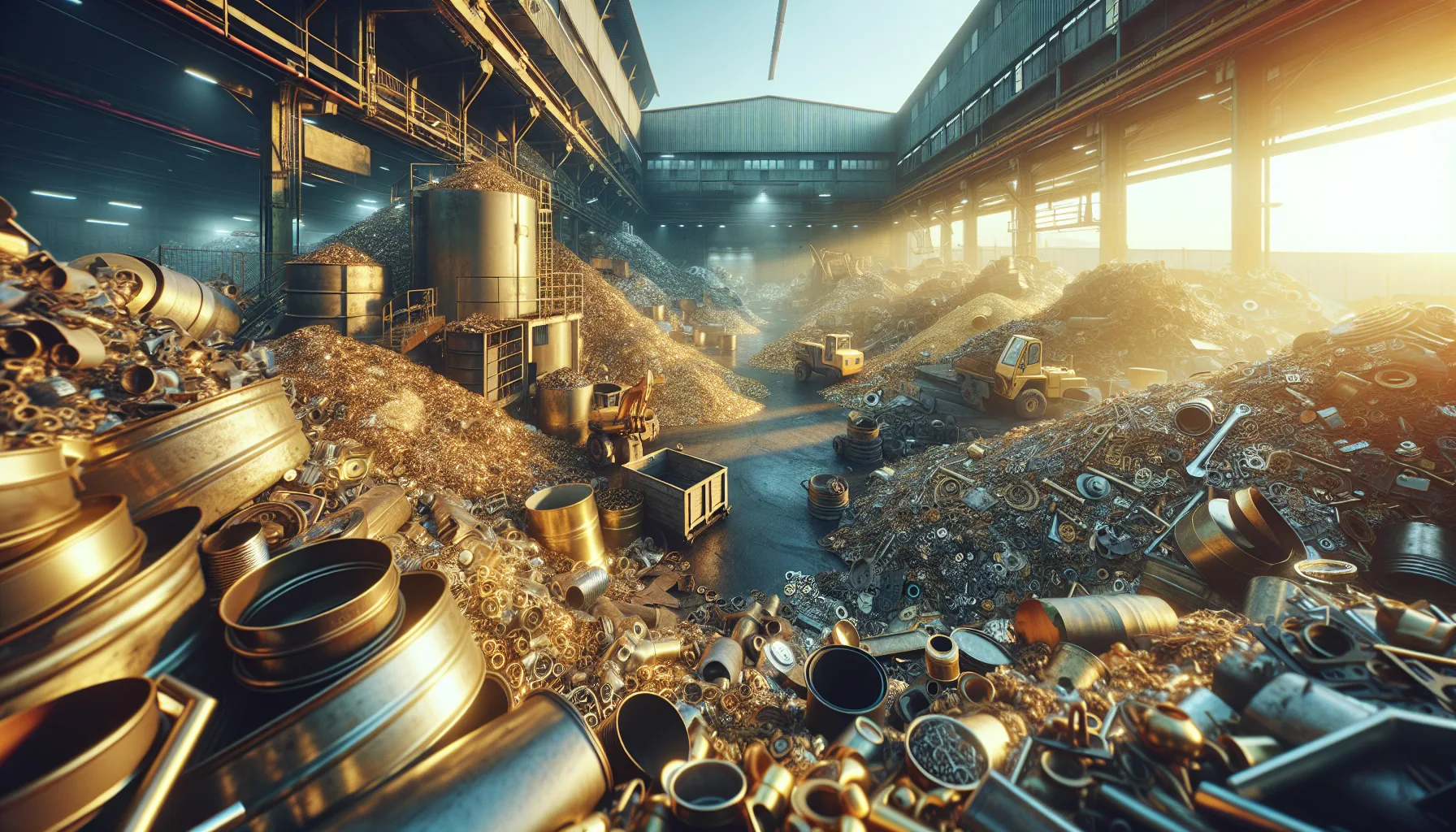
The brass faucet you just replaced could be worth $4-6 per pound — that's more than most scrap copper prices in today's market. While steel and aluminum dominate Canadian recycling volumes, brass and bronze represent some of the highest-value opportunities for savvy scrap sellers across British Columbia. These copper-based alloys consistently command premium prices, making them worth seeking out in demolition projects, plumbing upgrades, and industrial cleanouts.
Finding the best scrap metal prices New Westminster requires understanding which metals deliver the highest returns. Brass and bronze often surprise first-time sellers with their value — a single vintage brass lamp can yield $20-40 in scrap value, while bronze architectural fittings from heritage buildings can command even higher rates.
Today's market conditions in 2026 show strong demand for brass and bronze across Canada. Supply chain disruptions have increased demand for recycled copper alloys, pushing prices higher than historical averages. Smart sellers who know where to find these materials — and how to identify quality pieces — can significantly boost their scrap metal income.
Understanding Brass and Bronze: Composition and Market Value
Brass contains 60-70% copper mixed with zinc, creating a golden-colored alloy prized for its corrosion resistance and workability. Bronze combines copper with tin (typically 10-12%), producing a harder, more durable material with a reddish-brown appearance. Both alloys inherit copper's inherent value while offering enhanced properties for specific applications.
Current pricing for brass ranges from $3.50-6.00 per pound depending on grade and copper content. Clean brass fittings without steel attachments command top dollar, while brass with iron contamination receives lower rates. Bronze typically prices 10-20% higher than brass due to tin content and scarcity.
The copper content drives value in both alloys. With copper prices strengthening throughout 2026, brass and bronze have followed suit. Find the best Canadian scrap metal prices today to see how current rates compare across different yards and regions.
Quality matters significantly in brass and bronze pricing. Clean, separated materials receive premium rates, while mixed or contaminated alloys face price reductions. Understanding these distinctions helps maximize returns when selling to recyclers or through platforms like SMASH, where buyers can evaluate your specific materials.
Prime Locations for Finding Brass and Bronze Scrap
Plumbing systems offer the richest source of brass scrap for most sellers. Faucets, valves, pipe fittings, and water meters contain substantial brass components. A typical residential water meter housing can yield 8-12 pounds of brass worth $30-70 at current rates.
Electrical equipment provides another excellent source, particularly older installations. Brass electrical boxes, switch plates, and connector housings were standard in buildings constructed before 1980. Industrial electrical panels often contain brass bus bars and terminal blocks worth significant money.
Musical instruments represent a premium brass source when beyond repair. Trumpets, trombones, and French horns contain high-grade brass alloys. A damaged trumpet might yield $40-80 in scrap value, making it worthwhile to check with music stores about trade-ins or damaged instruments.
Marine and automotive applications offer bronze opportunities. Boat propellers, bearings, and through-hull fittings use bronze for saltwater corrosion resistance. Vintage car enthusiasts often upgrade brass radiators and fittings, creating scrap opportunities for alert collectors.
Architectural elements from heritage buildings contain substantial brass and bronze. Door handles, light fixtures, decorative trim, and plaques were commonly cast in these alloys. Renovation projects in New Westminster's historic areas sometimes yield significant quantities of architectural brass worth premium prices.
Identifying Quality Brass vs. Brass-Plated Items
The magnet test provides the first quality check — brass and bronze are non-magnetic. If a magnet sticks, you're looking at plated steel or iron, not solid brass. This simple test eliminates many worthless items that merely appear brass-colored.
Weight indicates quality. Solid brass feels substantially heavier than brass-plated alternatives. A brass faucet should have noticeable heft, while plated items feel light and hollow. This weight difference becomes obvious with experience handling both types.
Color consistency helps identify solid brass. Genuine brass maintains uniform coloring throughout, while plated items show different colors where plating has worn away. Look for edges, threads, and wear points where base metal might show through thin plating.
The scratch test reveals true composition. Scratch an inconspicuous area with a knife — solid brass shows consistent brass color beneath the surface. Plated items reveal steel, aluminum, or other base metals. This destructive test should be used sparingly on valuable pieces.
Professional testing with acid solutions provides definitive identification, but most scrap sellers rely on physical tests. Yards that specialize in non-ferrous metals often help identify questionable pieces, ensuring you receive appropriate pricing for your materials.
Best Scrap Metal Prices and Market Trends in 2026
Copper market strength drives brass and bronze pricing throughout 2026. Infrastructure spending across Canada has increased demand for recycled copper alloys, supporting higher prices than seen in recent years. This trend particularly benefits sellers with quality brass and bronze materials.
Regional pricing variations affect returns significantly. Urban areas like New Westminster typically offer higher prices due to increased competition among buyers and proximity to processing facilities. Rural locations might see 10-15% lower prices due to transportation costs and limited buyer options.
Seasonal patterns influence brass and bronze markets. Spring renovation season increases supply as homeowners replace fixtures, potentially softening prices. Winter months often see stronger pricing as construction activity slows and supply tightens.
B2B scrap metal marketplace platforms have transformed pricing transparency. Sellers no longer rely solely on local yard quotes — they can compare offers from multiple buyers and specialized processors. SMASH exemplifies this trend, allowing sellers to receive competitive bids from verified buyers across their network.
Quality premiums have increased in 2026 markets. Clean, sorted brass commands significantly higher prices than mixed loads. Sellers who invest time in proper preparation and separation consistently achieve better returns than those selling unsorted materials.
To check current Canadian scrap metal prices, consider both spot rates and local market conditions. Prices can vary significantly between yards, making comparison shopping essential for maximizing returns.
Maximizing Returns Through Proper Preparation and Sorting
Separation dramatically impacts pricing. Clean brass without steel attachments receives premium rates, while brass contaminated with other metals faces significant price reductions. Remove screws, steel fittings, and iron components before selling to maximize value.
Cleaning improves appearance and pricing. Remove dirt, grease, and corrosion using appropriate methods. Light cleaning with soap and water suffices for most pieces. Avoid harsh chemicals that might affect the metal surface or create safety hazards.
Sorting by grade optimizes returns. Different brass compositions command different prices — cartridge brass brings premium rates while architectural brass might receive standard pricing. Learn to identify common grades or work with buyers who provide grade-specific pricing.
Volume accumulation strengthens negotiating position. Small quantities often receive lower per-pound rates due to handling costs. Accumulate materials over time to create meaningful lots that justify premium pricing and attract serious buyers.
Documentation adds value for certain items. Architectural brass from notable buildings or high-grade alloys with known specifications might command premiums. Maintain records of source and composition when dealing with specialty materials.
Timing sales with market conditions maximizes returns. Track copper prices and brass premiums to identify optimal selling windows. Read Canadian scrap metal pricing guides for market analysis and timing strategies.
Working with Scrap Yards and Online Platforms
Local yards provide immediate transactions and established relationships. New Westminster area yards often specialize in different materials — some excel at automotive scrap while others focus on construction materials. Building relationships with yards that understand brass and bronze ensures fair pricing and efficient transactions.
Online platforms expand buyer options beyond local markets. SMASH Recycling — where verified buyers bid on your metal connects sellers with specialized buyers who understand brass and bronze values. This competitive bidding often yields higher returns than single-buyer transactions.
Transportation considerations affect net returns. Factor in fuel costs, time, and vehicle capacity when choosing buyers. Sometimes a slightly lower price from a nearby yard outweighs higher offers from distant locations after considering total costs.
Payment terms vary between buyers. Established yards typically offer immediate cash payments, while online platforms might use escrow systems or require verification delays. Consider your cash flow needs when selecting selling channels.
Relationship building pays dividends over time. Yards that know you bring quality materials often provide better pricing and service. Regular sellers frequently receive preferential treatment and advance notice of price changes.
Market intelligence improves negotiating position. Understanding current pricing trends and competition helps secure fair deals. Platforms like SMASH provide market transparency that benefits both buyers and sellers through competitive pricing discovery.
Frequently Asked Questions
Q: What's the difference between #1 and #2 brass pricing in New Westminster?
#1 brass contains 85%+ copper content and commands premium pricing, typically $0.50-1.00 per pound higher than #2 brass. #2 brass includes lower copper content alloys and contaminated materials, receiving standard brass rates.
Q: How do I find the best scrap metal prices for brass in British Columbia?
Compare offers from multiple local yards and online platforms like SMASH. Prices can vary significantly between buyers, so getting multiple quotes ensures optimal returns. Consider transportation costs when evaluating distant buyers offering higher rates.
Q: Should I clean brass before selling it to scrap yards?
Light cleaning improves appearance and pricing, but avoid excessive effort that doesn't justify the time invested. Remove obvious dirt and separate steel attachments, but heavy polishing rarely increases value enough to justify the labor.
Q: What quantity of brass makes it worthwhile to sell?
Most yards prefer minimum quantities of 50-100 pounds for specialized pricing, though smaller amounts are accepted at standard rates. Accumulating materials over time often yields better per-pound pricing than frequent small sales.
Q: Do bronze and brass prices follow copper market trends?
Yes, both alloys closely track copper pricing since copper comprises their primary content. However, supply and demand for specific alloys can create premiums or discounts relative to base copper prices.
Understanding brass and bronze markets opens opportunities for enhanced scrap metal returns. These valuable alloys reward sellers who invest time in proper identification, preparation, and market research. Whether you're clearing out renovation materials or seeking ongoing scrap opportunities, brass and bronze consistently deliver premium pricing for quality materials. Get the best Canadian scrap metal prices — check rates at best-scrap-metal-prices.ca to compare current offers and maximize your returns.
Stay connected with industry trends and market insights by following SMASH on LinkedIn for regular updates on scrap metal pricing and market developments.