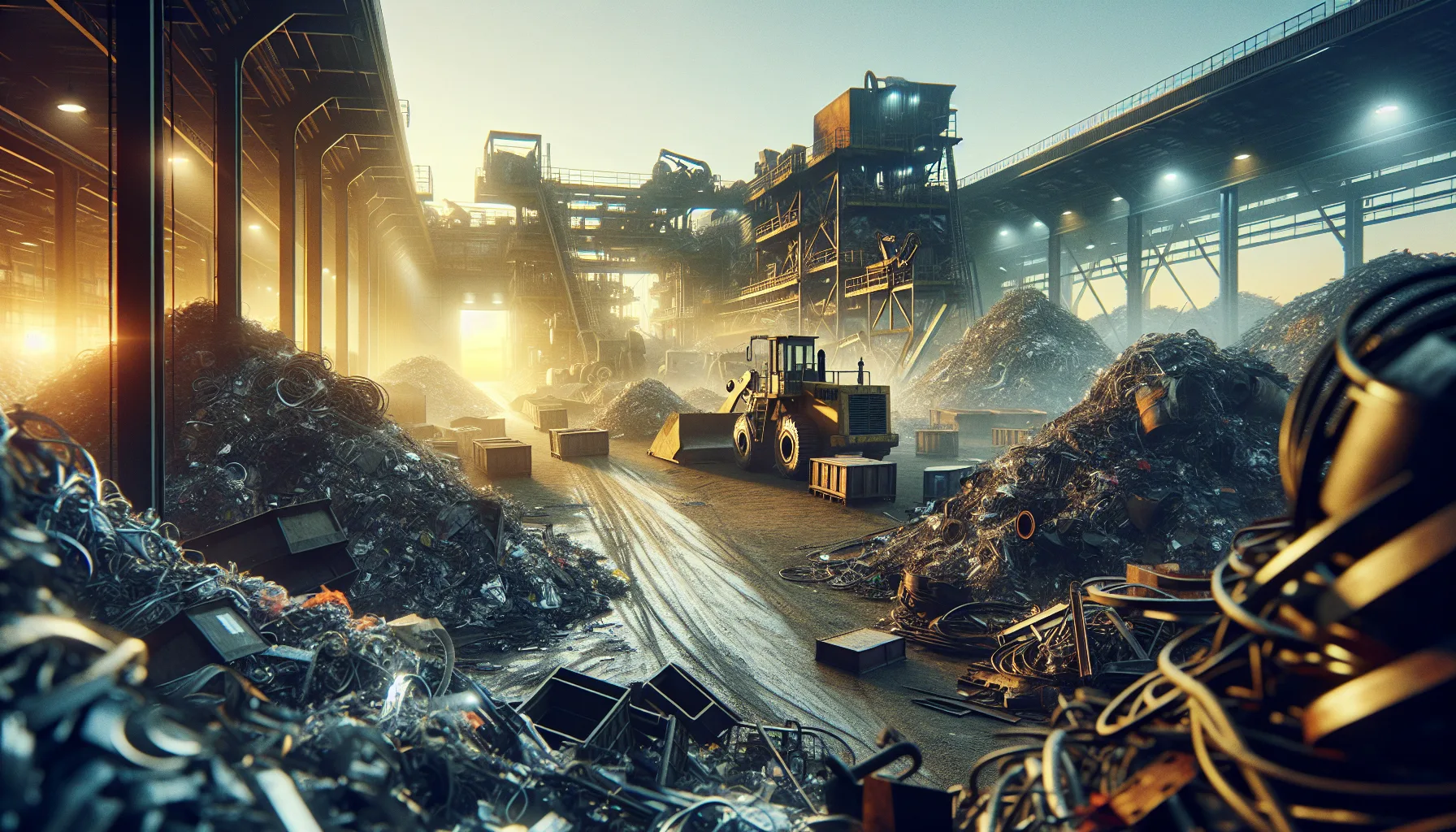
Visual Identification: What Your Metals Look Like
Knowing how to identify different metals transforms casual scrap collecting into profitable business decisions. Medicine Hat businesses and contractors generate significant amounts of mixed scrap metal daily, but without proper identification skills, you're leaving money on the table. A B2B scrap metal marketplace rewards sellers who understand exactly what they're offering — copper pays significantly more than steel, and aluminum commands different rates depending on its grade.
Visual identification starts with color and surface characteristics. Copper displays its signature reddish-brown hue when clean, though oxidation creates green patina over time. Look for copper in electrical wiring, plumbing pipes, and HVAC components common in Medicine Hat's industrial facilities. Fresh copper appears bright and shiny, while weathered copper develops that distinctive green coating.
Aluminum presents as a silvery-white metal that feels surprisingly light for its size. You'll find aluminum in window frames, siding, automotive parts, and beverage containers. Unlike steel, aluminum never rusts — it may develop a white, chalky oxidation but retains its basic metallic appearance. The lightweight feel often gives aluminum away immediately when you find the best Canadian scrap metal prices today.
Steel and iron appear dark gray to black, especially when oxidized. These metals feel heavy and substantial compared to aluminum. Look for steel in construction materials, automotive parts, appliances, and machinery. Cast iron appears darker and more porous than regular steel, often found in engine blocks and old plumbing fixtures.
The Magnet Test: Your First Sorting Tool
A simple magnet becomes your most valuable identification tool when sorting scrap metals. This basic test immediately separates ferrous metals (containing iron) from non-ferrous metals, dramatically affecting your pricing strategy on any scrap metal auction platform.
Ferrous metals stick strongly to magnets. Steel, iron, and most stainless steel grades demonstrate clear magnetic attraction. These metals typically command lower prices but make up significant volumes in Medicine Hat's construction and manufacturing sectors. Heavy steel beams, automotive parts, and appliance frames all respond to magnetic testing.
Non-ferrous metals show no magnetic attraction whatsoever. Copper, aluminum, brass, and bronze remain completely unaffected by even strong magnets. These metals command premium prices because they resist corrosion better and offer superior conductivity. When you check current Canadian scrap metal prices, you'll notice non-ferrous metals consistently outperform ferrous alternatives.
Stainless steel presents a special case requiring careful attention. Some stainless steel grades show weak magnetic properties while others demonstrate no attraction at all. Series 300 stainless steel (common in food service and medical equipment) typically shows minimal magnetic response, while Series 400 stainless steel attracts magnets more readily.
Advanced Metal Identification Techniques
Beyond basic visual and magnetic testing, several advanced techniques help identify valuable metals that might otherwise get misclassified. These methods prove especially valuable when dealing with mixed loads common in Alberta's industrial operations.
The spark test involves grinding a small sample and observing the sparks produced. Steel creates bright white sparks with long trails, while cast iron produces shorter, more orange sparks. Stainless steel generates few sparks compared to carbon steel. This test requires safety equipment and experience but provides definitive identification for similar-looking metals.
Density testing relies on the weight-to-volume ratio characteristic of different metals. Lead feels exceptionally heavy for its size, while aluminum feels surprisingly light. Brass and bronze feel heavier than copper despite similar appearances. Experienced scrap dealers develop an intuitive sense for metal density that guides their initial sorting decisions.
Sound testing involves striking metals with a hammer or hard object. Copper produces a dull thud, while brass rings with a higher pitch. Steel creates a sharp, ringing sound, and aluminum generates a distinctly different tone. These audio cues help confirm visual identification, especially when dealing with painted or coated materials.
Common Metal Mixups That Cost You Money
Certain metal combinations consistently fool even experienced scrap sellers, leading to significant pricing errors. Understanding these common mixups protects your bottom line when you sell scrap metal Medicine Hat operations generate.
Brass versus bronze confusion costs sellers substantially because these copper alloys command different prices. Brass contains zinc and appears more yellow, while bronze contains tin and shows a more reddish hue. Both resist magnetism, but careful color comparison reveals their differences. Brass commonly appears in plumbing fixtures, decorative items, and musical instruments.
Aluminum versus magnesium presents another costly confusion. Both metals feel light and resist magnetism, but magnesium appears slightly whiter and may show signs of corrosion that aluminum typically avoids. Magnesium often appears in automotive wheels and aerospace components, commanding premium prices when properly identified.
Stainless steel grades vary dramatically in value, yet they often look identical to untrained eyes. Food-grade stainless steel (Series 300) commands higher prices than magnetic stainless steel (Series 400). Kitchen equipment, medical instruments, and chemical processing equipment typically use higher-grade stainless steel worth separating from standard grades.
Copper wire confusion stems from different insulation and contamination levels. Clean copper wire commands top dollar, while insulated wire requires processing that reduces its value. Burned wire, common after electrical fires, may contain contaminants that further reduce pricing. Platforms like SMASH help sellers understand these grade distinctions before listing materials.
Regional Considerations for Medicine Hat Scrap Metal
Medicine Hat's industrial landscape creates specific metal identification challenges and opportunities that affect pricing strategies. The city's natural gas processing facilities generate substantial amounts of stainless steel and specialized alloys requiring careful identification for maximum value recovery.
Local construction projects frequently involve steel beam recycling, where proper grade identification significantly impacts pricing. Structural steel commands different rates than automotive steel, despite similar magnetic properties. Scrap metal recycling Alberta operations reward sellers who understand these distinctions before approaching buyers.
Oil and gas operations throughout Alberta produce specialized metals including Monel, Inconel, and other high-nickel alloys. These exotic metals command premium prices but require expert identification to avoid selling them as common stainless steel. Their appearance often resembles standard stainless steel, making proper testing crucial for profit maximization.
Agricultural equipment common in the Medicine Hat region contains various metal grades in single pieces. Tractors, combines, and irrigation systems combine steel frames with aluminum components, copper wiring, and sometimes specialty alloys. Efficient sorting maximizes value by separating these different metals before sale.
The city's railroad connections mean significant amounts of railroad steel become available periodically. Railroad steel requires special handling and identification because of its carbon content and potential contamination. Understanding railroad steel specifications helps sellers negotiate appropriate pricing with Canadian scrap metal pricing guides providing current market context.
Maximizing Value Through Proper Preparation
Proper metal identification means nothing without appropriate preparation that maximizes your material's value. Clean, sorted, and properly prepared metals command premium prices on any effective scrap metal auction platform.
Cleaning involves removing non-metallic attachments that reduce overall value. Strip insulation from copper wire, remove rubber gaskets from aluminum, and separate steel fasteners from non-ferrous metals. This additional effort typically increases pricing by 15-30% depending on contamination levels.
Sorting by specific grades rather than general categories unlocks additional value. Separate different aluminum alloys, distinguish between copper grades, and categorize stainless steel by magnetic properties. SMASH provides detailed grade specifications that guide proper sorting for maximum returns.
Documentation becomes increasingly important as material values increase. Photograph your sorted materials, record weights, and note any special characteristics or sources. This information helps buyers assess materials accurately and often leads to better pricing negotiations.
Transportation considerations affect net profit margins significantly. Group materials efficiently to maximize load values while minimizing transportation costs. Understanding current market pricing helps determine whether immediate sale or strategic holding provides better returns when you find the best price for your scrap in Canada.
Frequently Asked Questions
Q: What's the most valuable metal I might find in Medicine Hat industrial scrap?
Copper typically offers the highest value among commonly found metals, especially clean copper wire and tubing. Stainless steel grades and aluminum also command good prices depending on current market conditions and material cleanliness.
Q: How do I tell the difference between aluminum and stainless steel without a magnet?
Weight provides the best indicator — aluminum feels significantly lighter than stainless steel of the same size. Aluminum also shows a more matte appearance compared to stainless steel's shinier finish, and aluminum never shows rust stains that sometimes appear on lower-grade stainless steel.
Q: Can I use a B2B scrap metal marketplace if I'm a small contractor in Alberta?
Absolutely. B2B scrap metal marketplaces like SMASH welcome sellers of all sizes, from individual contractors to large industrial operations. These platforms often provide better pricing than traditional scrap yards, especially for properly identified and sorted materials.
Q: Should I separate different grades of the same metal type?
Yes, separating grades typically increases overall value significantly. Clean copper wire commands much higher prices than contaminated copper, and food-grade stainless steel outperforms standard magnetic stainless steel. The extra sorting effort usually pays for itself through better pricing.
Q: How often do scrap metal prices change in the Canadian market?
Scrap metal prices fluctuate daily based on global commodity markets, though significant changes typically occur weekly or bi-weekly. Checking current pricing regularly helps time sales for maximum profit, especially for larger quantities of valuable metals like copper and aluminum.
Mastering metal identification transforms scrap collection from guesswork into profitable business strategy. Whether you're cleaning up construction sites in Medicine Hat or processing materials from Alberta's energy sector, proper identification and preparation maximize your returns. Get the best Canadian scrap metal prices — check rates at best-scrap-metal-prices.ca and connect with verified buyers who value quality, sorted materials.
Follow SMASH on LinkedIn for the latest industry updates and Canadian scrap metal market insights.