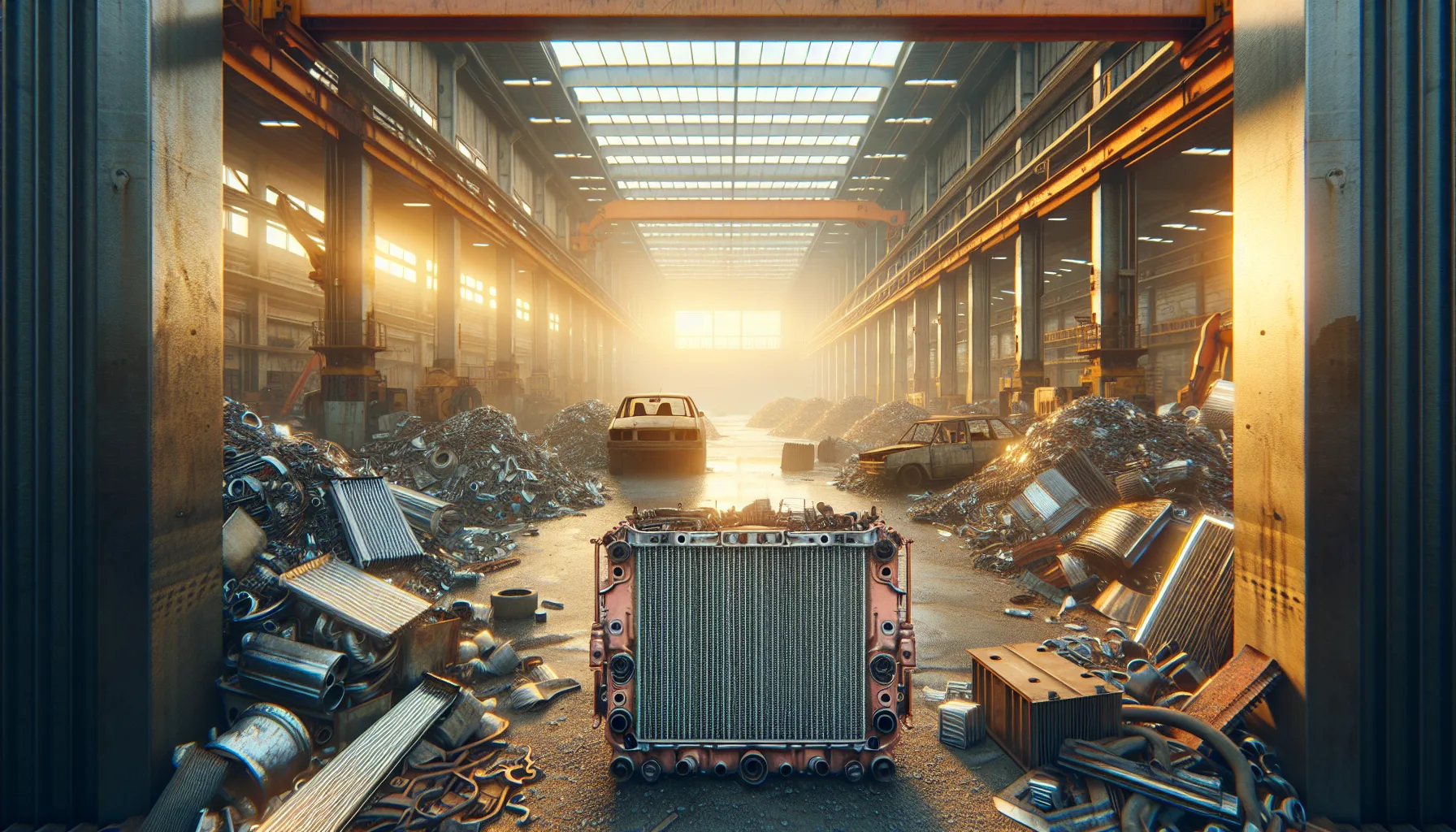
Your old Honda Civic just died, and the repair costs exceed its value. Before you send it to the crusher, consider this: the radiator alone contains roughly 15-20 pounds of valuable copper and aluminum, while the alternator houses another 8-12 pounds of mixed metals. Understanding how these auto parts transform into recyclable materials can help you maximize your returns when selling to scrap metal prices Sydney dealers.
Auto parts recycling represents one of the most lucrative segments in the scrap metal industry. Each component follows a specific breakdown process that separates valuable metals from less profitable materials. Smart sellers who understand these processes can negotiate better prices and identify the most valuable parts worth extracting.
Breaking Down Radiators for Maximum Copper Recovery
Radiators rank among the most valuable auto parts for scrap metal recovery. These heat exchangers contain substantial amounts of copper and aluminum — two metals commanding premium prices in today's market. The recycling process begins with complete fluid drainage, followed by careful separation of copper tubing from aluminum fins.
Professional recyclers use specialized tools to extract clean copper from radiator cores. The copper tubing, once separated, typically sells for 85-95% of pure copper pricing. Aluminum fins fetch lower prices but still contribute meaningful value to your overall haul. Many Sydney scrap yards prefer receiving pre-cleaned radiator copper, as it reduces their processing time and increases your payout.
The separation process requires patience but delivers results. Start by cutting away plastic tanks and rubber hoses. Next, carefully remove the copper tubing while preserving its integrity. Clean copper commands significantly higher prices than mixed radiator materials. Platforms like SMASH make it easy to compare copper scrap price today across multiple buyers, ensuring you receive competitive rates for your separated materials.
Market timing affects radiator values considerably. Copper prices fluctuate based on global demand, construction activity, and industrial production. Monitoring daily pricing helps determine optimal selling windows. Some sellers accumulate radiators during low-price periods, then sell when copper values surge.
Alternator Recycling: Extracting Copper Windings and Steel Cases
Alternators contain multiple valuable metals hidden within their compact housings. The electromagnetic windings consist of pure copper wire, while the case typically features cast aluminum or steel construction. Professional breakdown yields three primary components: copper windings, aluminum housing, and steel brackets.
The copper extraction process starts with removing the alternator's outer case and plastic covers. Inside, you'll find copper wire windings wrapped around the rotor and stator assemblies. These windings, when carefully extracted, represent the alternator's highest-value component. Clean copper wire sells for premium prices compared to whole alternator units.
Steel components from alternator cases contribute additional value, though at lower per-pound rates than copper. The aluminum housing pieces, once cleaned of plastic and rubber components, fetch moderate pricing. Combined, these separated materials often yield 20-30% more revenue than selling the complete alternator unit to scrap dealers.
SMASH's marketplace connects sellers with buyers specifically seeking alternator components. This targeted approach helps maximize returns while reducing the time spent visiting multiple yards. The platform's catalytic converter auction system demonstrates how specialized marketplaces can increase component values through competitive bidding.
Steel and Iron Components: Engine Blocks, Frames, and Body Panels
While copper and aluminum grab headlines for their high per-pound values, steel components represent the bulk of most vehicle's recyclable weight. Engine blocks, transmission cases, and body panels contribute significant volume to scrap loads. Understanding steel grades and preparation methods helps maximize returns from these heavy components.
Cast iron engine blocks require minimal preparation beyond fluid removal. These dense components typically weigh 300-500 pounds and sell at standard heavy steel pricing. Transmission cases offer similar value propositions, though their aluminum content can increase per-pound rates. Body panels, being lighter steel, may command slightly different pricing structures.
Preparation matters significantly for steel components. Remove all non-metallic attachments including plastic covers, rubber gaskets, and electronic components. Clean steel fetches higher prices than contaminated materials. Many Nova Scotia recyclers offer premium pricing for properly prepared steel, making the extra effort worthwhile.
Vehicle frames present unique opportunities due to their substantial weight and minimal contamination. These structural components often weigh 800-1200 pounds and consist primarily of clean steel. When combined with other vehicle components, frames can form the foundation of profitable scrap loads.
Catalytic Converter Precious Metal Recovery Systems
Catalytic converters deserve special attention due to their precious metal content. These emission control devices contain platinum, palladium, and rhodium — metals worth significantly more per ounce than traditional scrap materials. Professional recycling facilities use sophisticated processes to extract and refine these valuable elements.
The recovery process begins with converter disassembly to access the ceramic honeycomb substrate. This substrate contains the precious metals deposited during manufacturing. Specialized smelting and chemical processes separate individual metals for refinement and resale. The complexity of this process explains why catalytic converters command such high prices.
Different converter types contain varying precious metal concentrations. Gasoline engine converters typically contain more palladium and rhodium, while diesel units feature higher platinum content. Understanding these differences helps sellers identify the most valuable units and negotiate appropriate pricing.
Security concerns surrounding catalytic converter theft have led to increased documentation requirements. Legitimate sellers must provide proper ownership documentation when selling these high-value components. Platforms focusing on scrap metal recycling Nova Scotia operations often include verification systems to ensure legal transactions while protecting seller interests.
Electronic Component Recycling: ECUs, Wiring, and Sensors
Modern vehicles contain substantial amounts of electronic components valuable for precious metal recovery. Engine control units (ECUs), wiring harnesses, and various sensors contribute meaningful value despite their relatively small size. These components require specialized recycling processes to extract their valuable materials effectively.
ECUs contain circuit boards with gold-plated connectors and traces. Professional electronic recyclers use chemical processes to recover gold, silver, and palladium from these boards. The recovery rates vary based on component age and manufacturer, but modern ECUs often yield surprising precious metal quantities.
Wiring harnesses present copper recovery opportunities similar to alternator windings. However, the plastic insulation requires removal to achieve clean copper pricing. Some recyclers accept whole harnesses, while others prefer pre-stripped copper wire. Understanding buyer preferences in your area helps optimize preparation efforts.
Sensor components contain various metals including copper, steel, and sometimes precious metals. ABS sensors, oxygen sensors, and mass airflow sensors each offer different value propositions. Accumulating these smaller components alongside major parts can meaningfully increase overall scrap values.
Maximizing Returns Through Proper Sorting and Preparation
Successful auto parts recycling requires systematic sorting and preparation methods. Professional scrappers separate materials by type and grade, maximizing per-pound returns through targeted sales strategies. This approach requires more initial effort but consistently delivers superior financial results compared to mixed-load sales.
Create dedicated storage areas for different metal types. Separate copper materials from steel components and aluminum parts. Within each category, further separate by grade — clean copper versus copper with attachments, for example. This organization system prevents valuable materials from accidentally selling at lower mixed-material rates.
Market timing strategies can significantly impact overall returns. Copper and aluminum prices fluctuate more dramatically than steel pricing. Consider holding higher-value materials during low-price periods if storage space permits. Use resources that help you find the best Canadian scrap metal prices today to identify optimal selling windows.
Documentation and record-keeping support both legal compliance and business optimization. Track material weights, sale prices, and buyer information. This data helps identify the most profitable buyers and components over time. Many successful sellers maintain detailed spreadsheets tracking their recycling activities and returns.
Professional preparation tools improve efficiency and safety. Wire strippers, cutting torches, and magnetic separators help process materials quickly and effectively. Safety equipment including gloves, eye protection, and proper ventilation prevents injuries during breakdown activities. The initial tool investment pays dividends through improved processing speed and material quality.
Building relationships with buyers creates long-term advantages. Regular sellers often receive preferential pricing and advance notice of market changes. Some yards offer loyalty programs or volume discounts for consistent suppliers. Platforms like SMASH facilitate these relationships by connecting sellers with buyers seeking specific materials.
Understanding regional pricing variations helps optimize selling strategies. Sydney scrap metal prices may differ from Halifax or other Nova Scotia markets due to local demand factors and transportation costs. When feasible, compare prices across multiple locations to ensure competitive returns. Online platforms make these comparisons easier and more comprehensive.
The auto parts recycling industry continues evolving with new technologies and market demands. Electric vehicle adoption introduces new component types with different metal compositions. Staying informed about industry trends helps identify emerging opportunities and adapt recycling strategies accordingly.
Smart sellers who understand auto parts recycling processes consistently achieve better returns than those who sell whole vehicles to general scrap dealers. The extra effort required for component breakdown and material separation pays meaningful dividends through improved per-pound pricing and reduced material waste.
Whether you're processing a single vehicle or operating a larger dismantling operation, these recycling principles apply consistently. Start with high-value components like radiators and alternators, then work systematically through remaining materials. This approach ensures maximum value extraction while building experience with different material types.
Remember to check current Canadian scrap metal prices before beginning any major breakdown project. Market conditions change frequently, and understanding current pricing helps prioritize which components deserve immediate attention versus longer-term accumulation strategies.
For additional insights into market trends and recycling techniques, read Canadian scrap metal pricing guides that cover seasonal variations, preparation methods, and buyer selection strategies. These resources help both newcomers and experienced sellers optimize their recycling operations.
Professional recycling operations benefit from specialized marketplace platforms. Canada's B2B scrap recycling marketplace connects serious sellers with qualified buyers, streamlining transactions and improving pricing transparency across the industry.
Frequently Asked Questions
Q: What auto parts contain the most valuable metals for scrap recycling?
Radiators and alternators typically contain the highest concentrations of valuable metals, particularly copper. Catalytic converters offer the highest per-pound values due to their precious metal content. ECUs and wiring harnesses also provide good returns when properly processed.
Q: How do scrap metal prices in Sydney compare to other Nova Scotia locations?
Sydney scrap metal prices generally align with provincial averages, though local demand and transportation costs can create minor variations. Comparing prices across multiple buyers ensures competitive returns regardless of location within Nova Scotia.
Q: Should I separate auto parts before selling to scrap dealers?
Yes, separating components by metal type consistently yields higher returns than selling mixed materials. Clean copper, separated aluminum, and sorted steel each command better per-pound pricing than unseparated parts.
Q: What documentation do I need when selling valuable auto parts like catalytic converters?
You'll need proof of ownership such as vehicle titles or bills of sale. Some buyers require photo identification and may photograph components for security records. Legitimate transactions always include proper documentation.
Q: How often do scrap metal prices change, and when should I sell my materials?
Scrap metal prices fluctuate daily based on global commodity markets. Copper and aluminum show more volatility than steel. Monitor pricing trends and consider accumulating materials during low-price periods if storage permits, then selling when prices improve.
Successful auto parts recycling requires understanding both component breakdown processes and market dynamics. By focusing on proper preparation and strategic selling, you can maximize returns from every vehicle while contributing to sustainable metal recycling practices. Get the best Canadian scrap metal prices — check rates at best-scrap-metal-prices.ca to ensure you're receiving competitive value for your recycled auto parts.
Stay connected with industry developments and market insights by following SMASH on LinkedIn at https://www.linkedin.com/company/scrap-metal-auction-sales-hub for regular updates on scrap metal market trends and recycling opportunities.